
Introduction to Pricing Factors
Yellow lab grown diamonds have become a popular choice in modern jewelry due to their vibrant color, ethical production, and affordability compared to natural fancy colored diamonds. However, their prices can still vary significantly depending on several important factors. Understanding what influences the cost of these diamonds helps buyers make informed decisions and choose the best value for their investment. Unlike fixed-price commodities, diamond pricing is dynamic and depends on quality characteristics, production methods, and market demand.
Core Value Drivers in Yellow Lab Grown Diamonds
The price of yellow lab grown diamonds is not determined by a single factor but rather a combination of quality attributes and market conditions. These diamonds are created in controlled laboratory environments, where conditions such as temperature, pressure, and chemical composition are carefully managed. Even slight variations in these conditions can affect the final quality and price of the diamond.
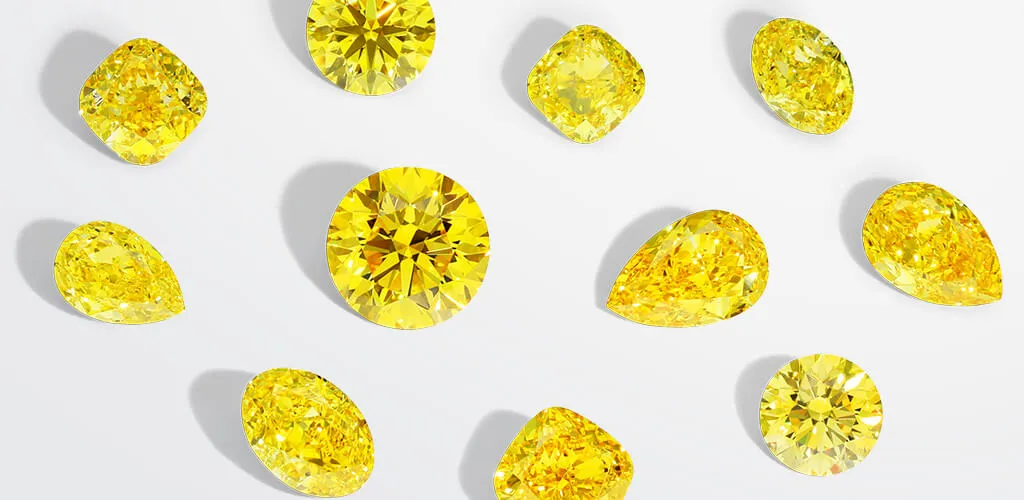
When exploring options such as yellow lab grown diamonds, buyers will notice that similar-looking stones may have different price points. This is because each diamond is evaluated individually based on grading factors such as color intensity, clarity level, cut precision, and carat weight, all of which directly influence its market value.
Color Intensity and Its Impact on Price
Color is one of the most important factors affecting the price of yellow lab grown diamonds. These diamonds are graded based on the intensity of their yellow hue, ranging from faint to fancy vivid. The stronger and more vibrant the color, the higher the price tends to be.
This is because achieving deep, evenly distributed yellow color requires precise control during the growth process, especially the introduction of nitrogen. Diamonds with rich, saturated color are more visually appealing and therefore command higher value. On the other hand, lighter yellow shades are generally more affordable but may lack the same visual impact.
Cut Quality and Light Performance
The cut of a diamond plays a crucial role in determining its brilliance and overall appearance. A well-cut yellow lab grown diamond reflects light efficiently, enhancing both sparkle and color depth. Poorly cut diamonds may appear dull or uneven, even if they have good color and clarity.
Certain cuts, such as radiant and cushion, are particularly popular for yellow diamonds because they enhance color visibility. Precision cutting requires advanced technology and skilled craftsmanship, which can increase production costs and ultimately influence pricing. The better the cut quality, the higher the diamond’s market value.
Clarity and Internal Characteristics
Clarity refers to the presence of internal inclusions or external blemishes within a diamond. While lab grown diamonds generally have fewer inclusions than natural diamonds due to controlled production, clarity still plays a significant role in pricing.
Diamonds with higher clarity grades appear cleaner and allow more light to pass through, resulting in better brilliance. Lower clarity grades may contain visible inclusions, which can reduce both aesthetic appeal and value. As clarity improves, the price of yellow lab grown diamonds typically increases.
Carat Weight and Size Considerations
Carat weight is another major factor influencing price. Larger diamonds are rarer and more visually impactful, which naturally increases their value. However, price does not increase in a linear way with size. Instead, it rises exponentially as carat weight increases.
For example, a two-carat diamond may cost significantly more than two one-carat diamonds of similar quality. This is because producing larger lab grown diamonds requires more time, energy, and precision control during the growth process.
Production Method and Technological Factors
The method used to create yellow lab grown diamonds also affects pricing. The two main techniques—High Pressure High Temperature (HPHT) and Chemical Vapor Deposition (CVD)—have different production costs and efficiencies.
HPHT is often used to create strong, vivid yellow colors, while CVD allows for precise control over clarity and structural growth. The complexity of these processes, along with energy consumption and equipment costs, contributes to the final price of the diamond.
Certification and Grading Influence
Certified diamonds typically cost more than non-certified ones because they come with verified quality reports from recognized gemological laboratories. These certifications provide detailed information about color, clarity, cut, and carat weight, ensuring transparency for buyers.
Certification adds credibility and trust, which increases market value. Buyers are often willing to pay a premium for diamonds that have been independently evaluated and graded.
Market Demand and Brand Positioning
Like many luxury goods, the price of yellow lab grown diamonds is also influenced by market demand. As consumer interest in sustainable and affordable luxury grows, demand for lab grown diamonds continues to rise. This can impact pricing trends across the industry.
Brand reputation also plays a role. Well-established suppliers with strong reputations may charge higher prices due to perceived reliability, quality assurance, and customer service.
Conclusion
The price of yellow lab grown diamonds is shaped by multiple interconnected factors, including color intensity, cut quality, clarity, carat weight, production methods, certification, and market demand. Each of these elements contributes to the final value of the diamond, making pricing both dynamic and highly individualized. By understanding these factors, buyers can make more informed decisions and select diamonds that offer the best balance of beauty, quality, and value.




























Sign in to leave a comment.