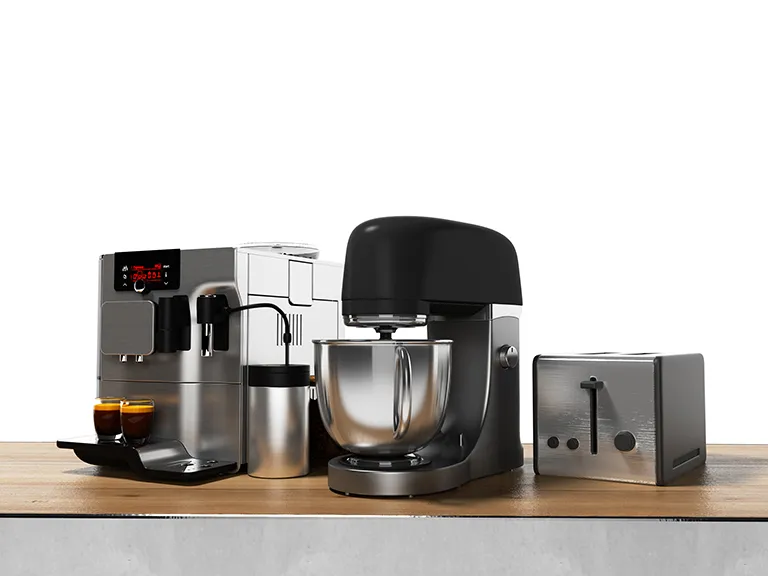

In today’s global consumer market, home appliances must meet increasingly strict expectations for safety, durability, and performance. Whether it is a kettle, blender, iron, or air fryer, customers expect reliable products that perform consistently under daily use. For this reason, quality standards and certifications have become essential benchmarks for evaluating manufacturers and exporters.
Businesses that source products internationally often assess a home appliances supplier based on how well they comply with global certification systems and internal quality control processes. These standards directly influence product acceptance in different markets and long-term brand credibility.
Why Quality Standards Are Essential in the Appliance Industry
Home appliances involve electricity, heat, and mechanical components, which means safety risks must be carefully controlled. Quality standards help ensure that every product leaving the factory meets minimum safety and performance requirements.
Strong quality systems help suppliers:
- Reduce product defects and failures
- Ensure user safety during operation
- Improve product durability and performance consistency
- Meet international trade and import regulations
Without proper standards, even small manufacturing errors can lead to serious safety issues or costly product recalls.
Key International Certification Requirements
Certification is one of the most important indicators of a supplier’s reliability. It shows that products have been tested and approved according to international safety and quality guidelines.
Some of the most common certifications include:
CE Certification
Required for products sold in European markets, CE marking confirms compliance with health, safety, and environmental protection standards.
RoHS Compliance
This ensures that electrical products do not contain hazardous substances such as lead, mercury, or cadmium.
ISO 9001 Quality Management
ISO certification focuses on consistent quality management systems across production processes.
GS Certification
Common in certain markets, GS certification verifies product safety through independent testing.
These certifications help ensure that products meet regulatory requirements across multiple regions.
Raw Material Inspection Standards
Quality control begins long before assembly. Raw materials must be carefully inspected to ensure they meet required specifications.
Typical inspection checks include:
- Electrical component safety and conductivity
- Plastic and metal durability testing
- Heat resistance for high-temperature parts
- Supplier verification and traceability
High-quality materials reduce the risk of product failure and improve long-term performance.
Production Line Quality Control Systems
During manufacturing, suppliers implement structured inspection systems to maintain consistency. These systems are usually divided into multiple stages.
Incoming Quality Control (IQC)
Raw materials are checked before entering production.
In-Process Quality Control (IPQC)
Products are monitored during assembly to detect issues early.
Final Quality Control (FQC)
Completed products are tested for performance, safety, and appearance before shipment.
This multi-layered system ensures that defects are identified and corrected at every stage.
Electrical Safety and Performance Testing
Since most home appliances rely on electricity, safety testing is a critical requirement. Manufacturers must ensure that products can operate safely under normal and extreme conditions.
Common tests include:
- Overload and overheating protection
- Insulation resistance testing
- Voltage fluctuation tolerance
- Continuous operation durability tests
These tests help prevent electrical hazards and improve product reliability.
Environmental and Sustainability Standards
Modern consumers and global regulations increasingly emphasize environmental responsibility. Suppliers are expected to adopt sustainable manufacturing practices.
Key environmental standards include:
- Reduced use of harmful substances (RoHS compliance)
- Energy-efficient product design
- Recyclable packaging materials
- Waste reduction during production
Sustainable practices not only support environmental goals but also improve brand reputation in global markets.
Packaging and Transportation Quality Requirements
Quality standards do not end at production. Proper packaging is essential to ensure products remain undamaged during transport and storage.
Key packaging requirements include:
- Shock-resistant protective materials
- Secure sealing and labeling
- Moisture and temperature protection
- Clear product information and instructions
Good packaging reduces damage rates and improves customer satisfaction upon delivery.
Continuous Quality Improvement Systems
Leading suppliers do not rely solely on static standards. Instead, they continuously improve their systems based on feedback and performance data.
This includes:
- Analyzing product return reports
- Monitoring customer feedback trends
- Upgrading production technology
- Refining material selection processes
Continuous improvement ensures long-term consistency and competitiveness in global markets.
Conclusion
Quality standards and certifications are the foundation of trust in the home appliance industry. They ensure that products are safe, durable, and compliant with international regulations.
For businesses sourcing globally, selecting a reliable home appliances supplier with strong certification and quality control systems is essential for reducing risk and maintaining customer satisfaction. In a highly competitive market, adherence to strict quality standards is what separates average manufacturers from trusted global suppliers.





























Sign in to leave a comment.