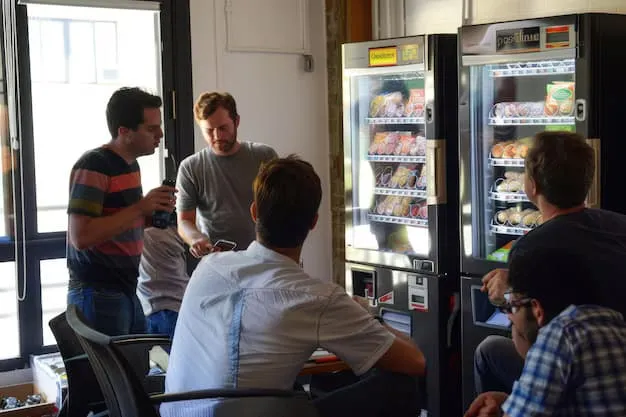

Modern workplaces continue to evolve as employers seek practical ways to support employee health, satisfaction, and productivity. One solution gaining attention across industries is the growing use of food vending services that provide fresh, convenient meal and snack options throughout the workday. Traditional vending machines once offered limited choices, but newer systems focus on nutritious selections that align with changing dietary preferences. As organizations look for efficient dining solutions, fresh food vending is becoming an important part of the modern workplace experience.
The Growing Demand for Convenient Workplace Dining
Workplace schedules have become increasingly demanding, leaving employees with less time to search for meals during breaks. Many professionals prefer quick access to food without leaving the office or spending valuable time waiting in long lines. Fresh food vending solutions address this challenge by making quality meal options readily available throughout the day. This accessibility helps employees stay focused on their responsibilities while still enjoying satisfying food choices that support their daily nutritional needs.
Organizations are also recognizing the connection between employee wellness and workplace performance. Healthy eating habits can contribute to sustained energy levels and improved concentration. As a result, businesses are exploring innovative dining solutions that encourage better food choices. Fresh food vending systems offer an effective way to promote wellness while providing convenience. This combination makes them particularly attractive for workplaces seeking practical methods to enhance employee satisfaction and overall engagement.
How Fresh Food Vending Services Work
Advanced Food Storage Technology
Modern vending systems use sophisticated refrigeration and monitoring technology to maintain food quality and safety. These machines are designed to keep meals, salads, sandwiches, fruit, and other fresh products at appropriate temperatures. Continuous monitoring helps preserve freshness while ensuring compliance with food safety standards. This technological advancement allows workplaces to provide fresh dining options without requiring a traditional cafeteria or extensive food service infrastructure.
Many systems also include inventory tracking features that monitor product availability and freshness. These tools help operators manage stock efficiently and reduce food waste. By using real time data, suppliers can replenish products as needed and maintain a consistent selection. This streamlined approach ensures employees have access to fresh options while supporting efficient service management and operational reliability.
Easy Access for Employees
Fresh food vending solutions are designed with user convenience in mind. Employees can browse available selections, make purchases quickly, and return to work without unnecessary delays. Many machines support multiple payment methods, including cards, mobile payments, and contactless transactions. This flexibility enhances the user experience and accommodates modern purchasing preferences across diverse workplace environments.
The simplicity of these systems makes them suitable for organizations of various sizes. Employees can access food whenever they need it, whether during traditional meal periods or outside standard break times. This availability is especially valuable for workplaces that operate around the clock. Continuous access ensures all staff members have convenient dining options regardless of their schedules.
Benefits for Employee Health and Wellness
Access to Nutritious Food Choices
One of the most significant advantages of fresh food vending is the availability of healthier alternatives. Employees often face limited options when relying on traditional vending machines. Fresh food systems provide access to balanced meals, fresh produce, protein rich snacks, and other nutritious selections. These choices can support healthier eating habits and contribute to overall wellness within the workplace.
Providing nutritious food options demonstrates an organization's commitment to employee wellbeing. Workers appreciate having convenient access to meals that align with their health goals. This positive experience can contribute to stronger morale and greater workplace satisfaction. Over time, healthier eating opportunities may also encourage lasting lifestyle improvements among employees.
Supporting Energy and Productivity
Nutrition plays a vital role in maintaining energy levels throughout the workday. Employees who have access to fresh and balanced meals are better positioned to sustain focus and productivity. Convenient access to healthy food can help reduce reliance on less nutritious alternatives that may contribute to energy fluctuations. As a result, employees may experience greater consistency in performance and concentration.
Organizations benefit when employees can remain energized and engaged during their shifts. Fresh food vending creates opportunities for workers to make better food choices without disrupting their schedules. This practical solution supports both individual wellbeing and organizational objectives. By addressing nutritional needs, workplaces can foster environments that promote sustained productivity and positive employee experiences.
Advantages for Employers
Cost Effective Dining Solutions
Establishing and maintaining a traditional cafeteria often requires substantial investment. Expenses related to staffing, equipment, space, and daily operations can be significant. Fresh food vending offers a more cost effective alternative that delivers many of the same benefits. Employers can provide convenient dining access without assuming the financial responsibilities associated with full service food operations.
This flexibility makes fresh food vending suitable for organizations of varying sizes. Smaller businesses can offer food options that may otherwise be impractical, while larger companies can supplement existing dining facilities. The scalable nature of these systems allows employers to adapt solutions based on workforce needs and available resources. This adaptability contributes to their growing popularity across industries.
Enhanced Employee Satisfaction
Employees value workplace amenities that make daily routines more convenient and enjoyable. Access to fresh food within the workplace can significantly improve the overall employee experience. Workers appreciate having reliable meal options available throughout the day, especially when external dining alternatives are limited. This convenience helps create a more supportive and employee focused environment.
Positive workplace experiences often contribute to stronger employee retention and engagement. When organizations invest in amenities that address practical needs, employees are more likely to feel valued. Fresh food vending represents a meaningful enhancement that can improve daily workplace life. As a result, businesses may experience benefits that extend beyond dining convenience alone.
The Role of Technology in Modern Food Vending Services
Smart Inventory Management
Technology continues to transform food vending operations through intelligent inventory management systems. These tools collect data on purchasing patterns and product popularity, allowing operators to optimize selections. By understanding employee preferences, providers can ensure that high demand items remain available while reducing excess inventory. This data driven approach supports efficiency and customer satisfaction.
Improved inventory management also contributes to sustainability efforts. Accurate forecasting helps minimize food waste by reducing overstocking and product expiration. This responsible approach aligns with growing environmental awareness among businesses and employees. As organizations seek sustainable solutions, technology driven food vending systems offer meaningful advantages in both operational performance and resource management.
Personalized User Experiences
Modern vending platforms increasingly incorporate features that enhance personalization. Digital interfaces can highlight popular items, display nutritional information, and simplify purchasing decisions. Some systems may even provide recommendations based on previous selections. These capabilities create a more engaging experience while helping users make informed choices about their meals and snacks.
Personalized features contribute to higher user satisfaction and increased utilization. Employees benefit from greater transparency regarding ingredients, nutritional content, and product availability. This information empowers individuals to select options that align with their dietary preferences and wellness goals. Enhanced user experiences strengthen the overall value of fresh food vending within workplace environments.
Why Fresh Food Vending Represents the Future
The future of workplace dining is closely linked to convenience, flexibility, and wellness. Employees increasingly expect access to food solutions that accommodate modern lifestyles and diverse dietary preferences. Fresh food vending aligns with these expectations by delivering quality meals directly within the workplace. This accessibility supports both employee wellbeing and organizational efficiency in ways that traditional dining models may struggle to achieve.
As technology continues to advance, fresh food vending systems are likely to become even more sophisticated and responsive. Enhanced inventory management, improved food preservation, and personalized experiences will further increase their appeal. Organizations seeking practical dining solutions can benefit from adopting systems that reflect evolving workforce expectations. Fresh food vending is positioned to play a central role in shaping the next generation of workplace dining.
Conclusion
Fresh food vending has emerged as a practical and forward thinking solution for modern workplaces. By combining convenience, nutrition, technology, and cost efficiency, these systems address many of the challenges associated with traditional workplace dining. Employees gain reliable access to fresh meals while employers benefit from enhanced satisfaction and productivity. As workplace expectations continue to evolve, fresh food vending will remain an important component of future dining strategies. Businesses exploring innovative workplace food solutions can look to Healthy Vending New York for professional support and industry expertise.

























Sign in to leave a comment.