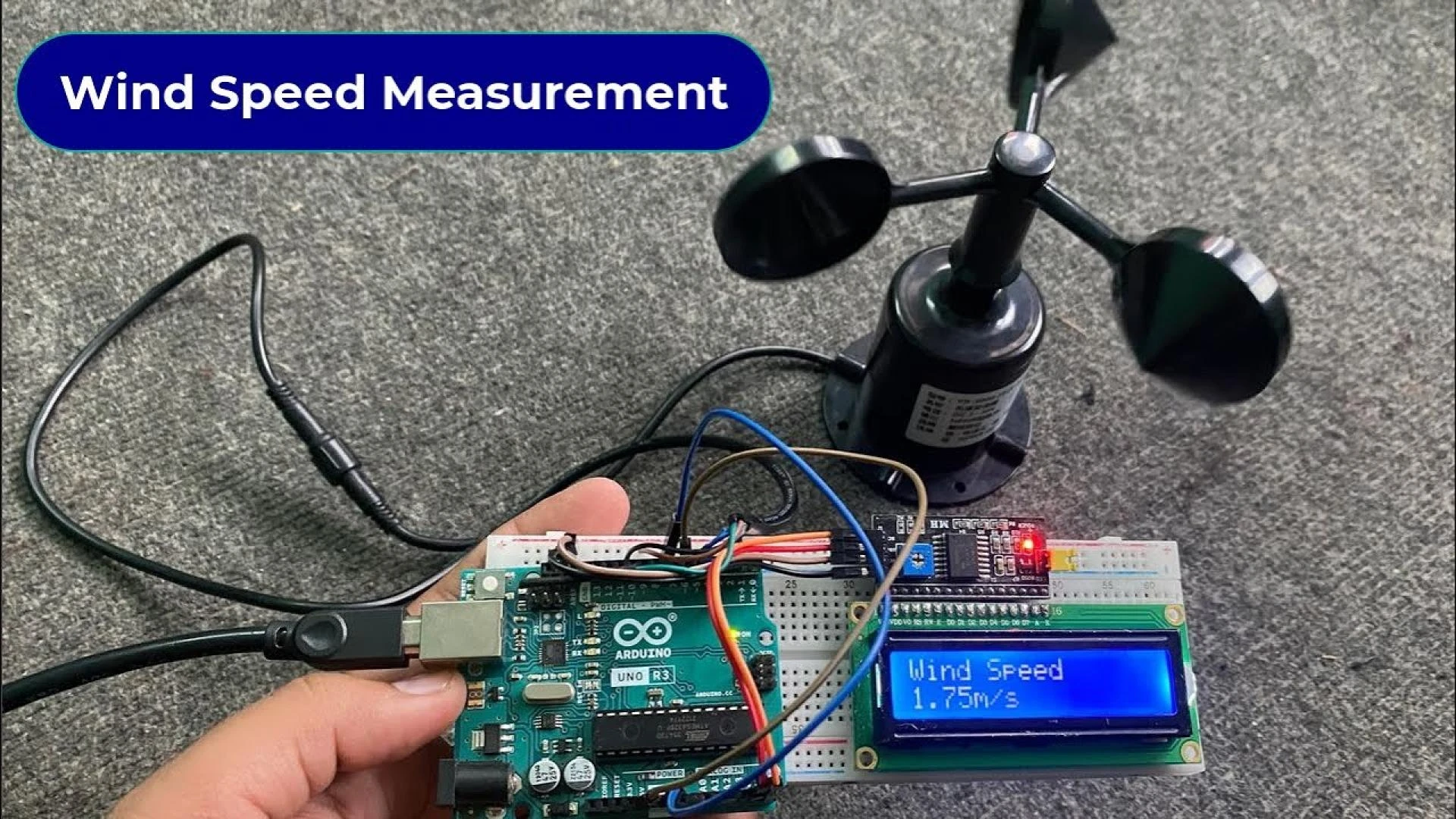

Wind speed measurement is a cornerstone of meteorology, renewable energy management, aviation, and industrial safety. Accurate monitoring of airflow helps optimize turbine performance, forecast weather events, ensure workplace safety, and conduct environmental research. With technological advancements, modern Wind Speed Sensors have become more precise, durable, and adaptable than ever before, providing a wealth of data for operational and scientific applications.
A Wind Speed Sensor measures the velocity of air and converts it into usable data for monitoring and analysis. Contemporary models, such as the Wind Speed Sensor from Rika Sensor, offer high precision, real-time monitoring, and compatibility with digital systems. These devices have evolved significantly, driven by the growing need for accurate data in renewable energy optimization, environmental monitoring, and industrial process control. Innovations in sensor technology have improved accuracy, reduced maintenance requirements, and enhanced integration with automated systems.
Miniaturization and Compact Designs
One significant trend in wind speed sensor technology is miniaturization. Smaller sensors reduce weight and installation complexity, making them suitable for deployment in a wide range of environments, from remote weather stations to compact drones. Compact designs also allow for multi-sensor arrays that can capture detailed airflow patterns over a specific area, which is valuable in wind resource assessments, environmental studies, and urban planning applications.
Ultrasonic and Laser-Based Sensing
Traditional wind sensors relied on mechanical components such as rotating cups or vanes, which are prone to wear and require regular maintenance. Modern ultrasonic and laser-based sensors eliminate moving parts, using sound waves or laser pulses to measure airflow. Ultrasonic sensors detect the time it takes for sound waves to travel between transducers, while laser-based sensors use Doppler shifts to calculate wind speed. These technologies offer higher accuracy, faster response times, and reduced maintenance, making them ideal for offshore wind farms, aviation, and research applications in harsh environments.
Integration with IoT and Smart Monitoring Systems
The integration of wind speed sensors with the Internet of Things (IoT) is transforming the way wind data is collected and utilized. Modern sensors can transmit data wirelessly to centralized platforms, allowing operators to monitor multiple locations in real-time. This enables predictive maintenance for wind turbines, automated adjustments to industrial ventilation systems, and enhanced safety monitoring. IoT integration also allows for advanced data analytics, machine learning, and AI-driven insights, helping organizations make more informed decisions based on accurate wind information.
Enhanced Durability and Environmental Resistance
Exposure to extreme weather conditions can compromise sensor performance over time. Innovations in materials and protective designs have significantly increased the durability of modern wind speed sensors. Corrosion-resistant coatings, reinforced housings, and weatherproof designs ensure sensors can operate reliably in harsh environments, including offshore wind farms, deserts, and industrial sites. Improved environmental resistance reduces downtime, lowers maintenance costs, and ensures consistent data collection.
Multi-Parameter Measurement
Some modern wind sensors are designed to measure more than just wind speed. Advanced models can simultaneously monitor wind direction, temperature, humidity, and barometric pressure. This multi-parameter approach provides a more comprehensive understanding of environmental conditions and is especially useful in renewable energy applications, weather forecasting, and climate research. Combining multiple measurements in a single sensor reduces installation complexity and improves the overall efficiency of monitoring systems.
AI and Data Analytics Integration
Artificial intelligence and machine learning are increasingly used alongside wind speed sensors to interpret complex wind patterns. By analyzing historical and real-time data, AI systems can predict gusts, optimize turbine orientation, and forecast energy production with greater accuracy. In industrial settings, predictive algorithms can identify abnormal wind conditions that could pose safety risks, enabling proactive mitigation strategies.
Wireless Power and Energy Harvesting
Innovations in wireless power and energy harvesting are also influencing wind sensor technology. Some modern sensors can generate their own power from solar or wind energy, reducing the need for external wiring or frequent battery replacement. This capability is particularly valuable in remote locations or harsh environments where maintenance access is limited.
Conclusion
The evolution of Wind Speed Sensor technology has been driven by the need for higher accuracy, durability, and integration with modern monitoring systems. From ultrasonic and laser-based measurement to IoT connectivity, AI integration, and energy harvesting, innovations are transforming how wind data is collected and applied. These advancements enhance the efficiency of renewable energy systems, improve safety in industrial applications, and provide critical insights for environmental research. As technology continues to advance, wind speed sensors will play an increasingly vital role in optimizing operations, enabling smarter decision-making, and supporting sustainable energy initiatives.





























Sign in to leave a comment.