
Living with nerve pain can affect every part of daily life, from walking comfortably to sleeping through the night. For individuals seeking long term solutions, finding the right neuropathy relief clinic is one of the most important steps toward improved health and mobility. With many treatment options available today, choosing the right clinic requires thoughtful research, careful evaluation, and a clear understanding of personal needs. The right choice can make a significant difference in symptom management, overall comfort, and quality of life.
Understanding Neuropathy and Its Impact
Peripheral neuropathy is a condition that develops when nerves outside the brain and spinal cord become damaged. It can cause pain, tingling, numbness, burning sensations, and muscle weakness. For some individuals, symptoms are mild and manageable. For others, they can be debilitating and interfere with basic activities.
Common Causes of Neuropathy
Neuropathy can develop from a variety of causes. Some of the most common include:
- Diabetes
- Autoimmune disorders
- Infections
- Physical injuries
- Vitamin deficiencies
- Exposure to toxins
- Certain medications
Understanding the root cause of neuropathy is critical because treatment approaches often depend on the underlying condition.
How Neuropathy Affects Daily Life
The impact of neuropathy extends beyond physical discomfort. Many people experience reduced mobility, difficulty maintaining balance, and increased risk of falls. Chronic pain may lead to sleep disturbances, emotional stress, and reduced independence. Over time, untreated neuropathy can worsen and contribute to further complications.
Because of these challenges, selecting the right clinic is essential for managing symptoms effectively and preventing progression.
Why Choosing the Right Clinic Matters
Not all clinics offer the same level of care, technology, or expertise. Some focus primarily on symptom management, while others aim to address underlying causes and promote nerve healing. The quality of care, diagnostic tools, and treatment philosophy can vary significantly.
Choosing the right clinic can provide:
- Accurate diagnosis
- Personalized treatment plans
- Access to advanced therapies
- Ongoing support and monitoring
- Improved long term outcomes
Making an informed decision helps ensure that time and resources are invested in a facility that prioritizes comprehensive care.
Key Factors to Consider When Selecting a Clinic
When evaluating potential clinics, individuals should consider several important factors. Each element contributes to the overall quality of care and treatment success.
Experience and Specialization
One of the first things to assess is whether the clinic specializes in neuropathy treatment. Clinics with a focused approach often have deeper expertise in diagnosing nerve disorders and understanding their complexities.
Healthcare providers who regularly treat neuropathy are more likely to stay updated on the latest research and treatment techniques. Experience also increases the likelihood of recognizing subtle symptoms and tailoring therapies accordingly.
Comprehensive Diagnostic Testing
Accurate diagnosis is the foundation of effective treatment. A high quality clinic should offer thorough evaluations, which may include:
- Detailed medical history review
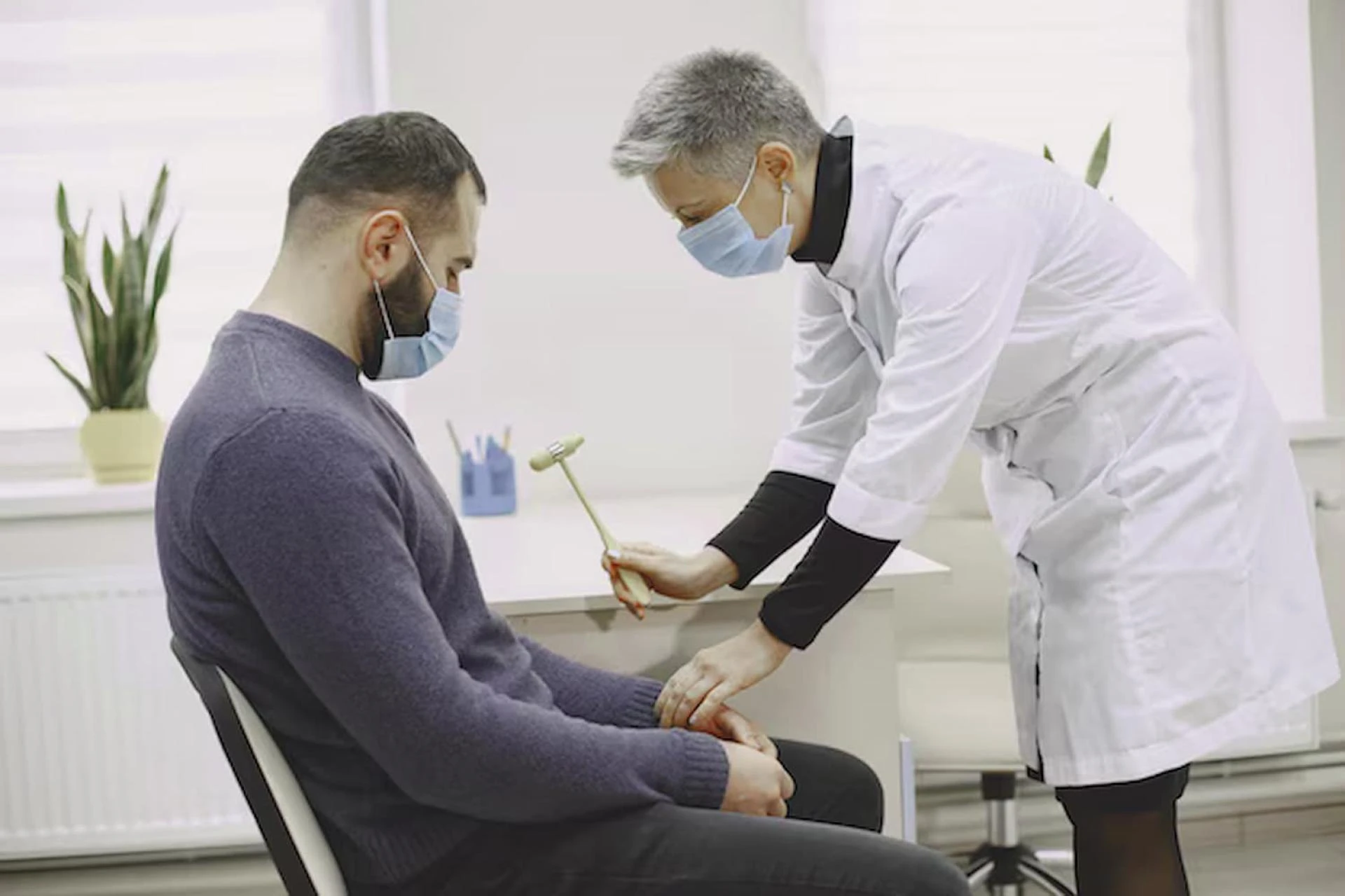
- Physical examination
- Neurological assessments
- Sensory testing
- Blood work to identify deficiencies or underlying conditions
Comprehensive diagnostics ensure that treatment targets the correct cause rather than simply masking symptoms.
Personalized Treatment Plans
Every patient experiences neuropathy differently. A clinic that uses a one size fits all approach may not provide optimal results. Instead, look for facilities that develop individualized care plans based on:
- Severity of symptoms
- Underlying health conditions
- Lifestyle factors
- Treatment goals
Personalized plans increase the likelihood of symptom relief and functional improvement.
Range of Treatment Options
Modern neuropathy care often involves a combination of therapies. Clinics that offer multiple treatment modalities provide greater flexibility and customization.
Possible treatment options may include:
- Non invasive nerve stimulation
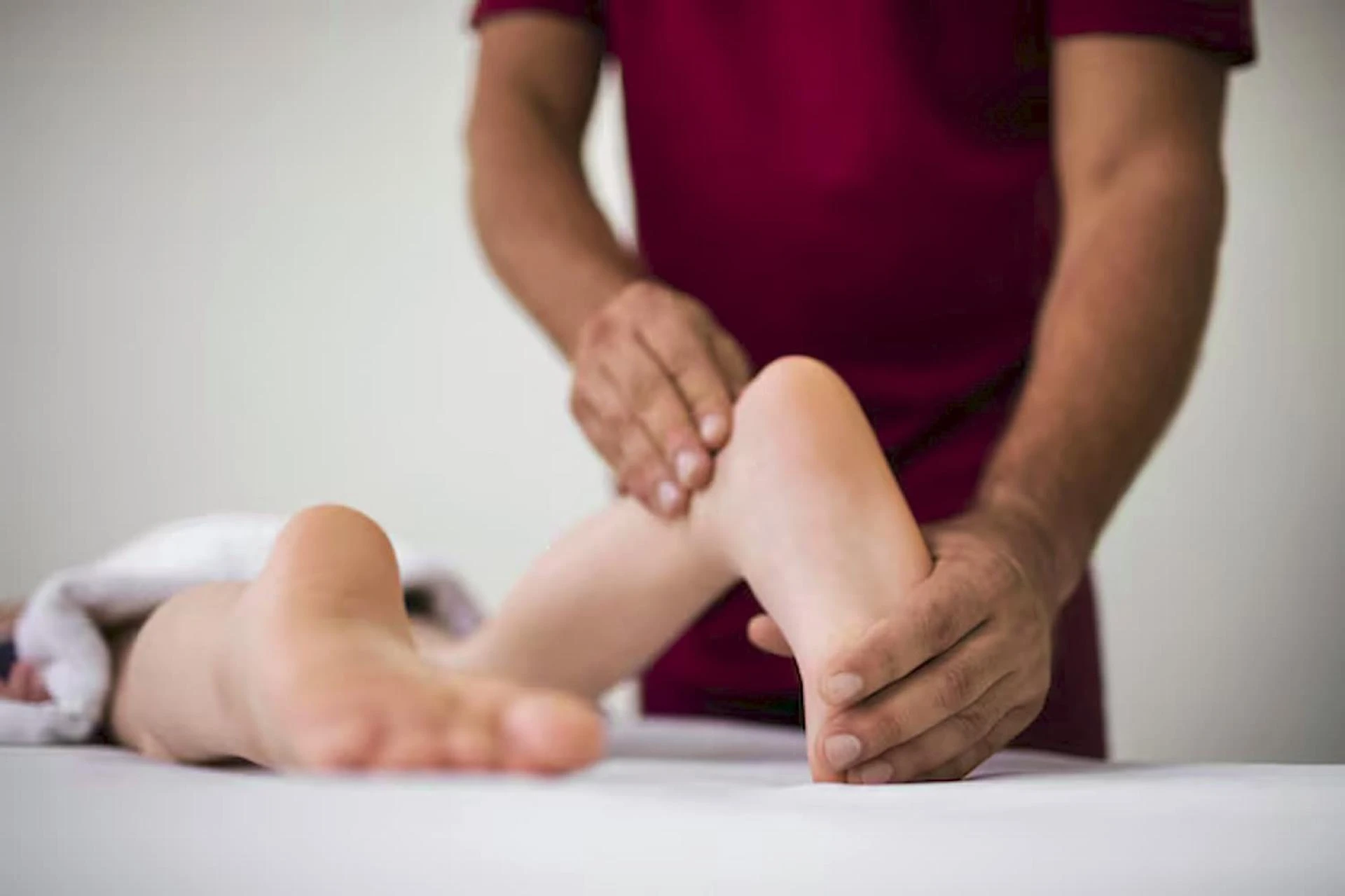
- Physical therapy
- Nutritional support
- Lifestyle counseling
- Regenerative therapies
- Pain management techniques
A broader range of services allows healthcare providers to adjust treatment as needed and respond to changes in symptoms.
Emphasis on Non Surgical and Drug Free Approaches
While medications may provide temporary relief, they do not always address the underlying nerve damage. Some patients prefer to explore non surgical and drug free solutions first.
Clinics that prioritize natural or minimally invasive approaches often focus on improving nerve function, enhancing circulation, and supporting the body’s healing processes. For many individuals, this approach aligns better with long term wellness goals.
Evaluating the Clinic Environment and Patient Experience
The overall environment and level of patient support can significantly influence treatment outcomes. Comfort, communication, and trust are essential components of effective care.
Clear Communication and Education
A reputable clinic should take time to explain:
- The cause of neuropathy
- Available treatment options
- Expected outcomes
- Potential risks
- Estimated treatment timeline
Patients who understand their condition are more likely to follow treatment recommendations and feel confident in their care plan.
Compassionate and Supportive Staff
Chronic pain can be emotionally challenging. Clinics that foster a supportive atmosphere help patients feel heard and respected. Friendly staff, attentive providers, and efficient scheduling systems contribute to a positive experience.
Ongoing Monitoring and Adjustments
Neuropathy treatment often requires regular follow up appointments. A quality clinic monitors progress, tracks improvements, and adjusts therapy when necessary. This continuous evaluation ensures that care remains aligned with patient needs.
Questions to Ask Before Committing to Treatment
Before beginning care, patients should feel comfortable asking detailed questions. Being proactive helps clarify expectations and avoid misunderstandings.
Important questions may include:
- What is the likely cause of my neuropathy
- What diagnostic tests will be performed
- What treatment options are recommended and why
- How long before results may be noticeable
- What are the potential side effects
- How will progress be measured
Transparent answers demonstrate professionalism and commitment to patient education.
The Role of Lifestyle and Preventive Care
Effective neuropathy management often extends beyond clinical treatments. Lifestyle modifications can significantly enhance results and reduce symptom severity.
Nutrition and Nerve Health
Proper nutrition supports nerve repair and function. Clinics that provide guidance on dietary changes or supplementation may help patients address deficiencies contributing to nerve damage.
Physical Activity and Circulation
Gentle exercise improves blood flow and helps maintain muscle strength. Improved circulation delivers oxygen and nutrients to nerve tissues, supporting recovery.
Blood Sugar Management
For individuals with diabetes, maintaining stable blood sugar levels is essential. Poor glucose control can worsen nerve damage and reduce treatment effectiveness.
Clinics that integrate lifestyle coaching into treatment plans often provide more comprehensive and sustainable results.
Warning Signs to Watch For
Not all facilities provide the same level of care. Patients should be cautious of certain red flags when evaluating options.
Overpromising Results
Be wary of clinics that guarantee complete cures without thorough evaluation. Neuropathy varies widely among individuals, and responsible providers set realistic expectations.
Lack of Detailed Assessment
If a clinic recommends treatment without conducting a comprehensive evaluation, it may not be providing personalized care.
Limited Treatment Options
Facilities offering only one type of therapy may not be able to adjust treatment if initial results are limited.
Being vigilant about these warning signs helps prevent disappointment and ensures better outcomes.
The Importance of Long Term Support
Neuropathy is often a chronic condition that requires ongoing management. Even when symptoms improve, periodic monitoring helps prevent recurrence or progression.
Clinics that emphasize long term wellness provide continued guidance, maintenance programs, and support resources. This comprehensive approach enhances quality of life and encourages sustained improvement.
Making an Informed Decision
Choosing the right clinic involves careful research, thoughtful questions, and honest assessment of personal goals. Patients should take time to review credentials, read testimonials, and schedule consultations before committing to care.
The ideal clinic combines expertise, advanced technology, compassionate service, and individualized treatment strategies. When these elements come together, patients are more likely to experience meaningful relief and improved function.
By focusing on specialization, comprehensive diagnostics, personalized plans, and supportive care, individuals can confidently select a clinic that aligns with their needs and values. Taking this step can be transformative, offering renewed hope and a clearer path toward comfort and mobility.
In conclusion, selecting the right clinic requires diligence, research, and an understanding of personal health priorities. For those seeking dedicated support and professional care, Restorative Limb Center stands ready to assist individuals on their journey toward better nerve health and improved quality of life.





























Sign in to leave a comment.