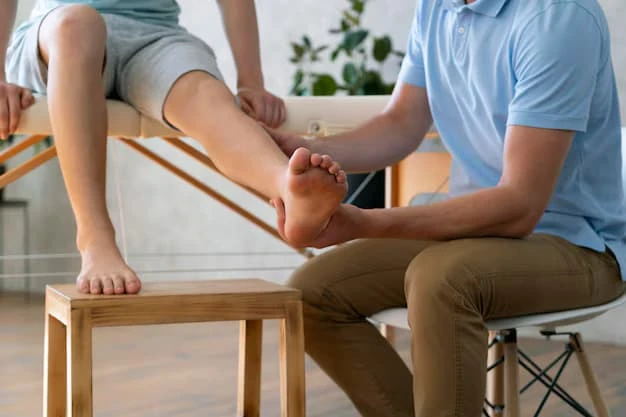
Drop foot is a condition that affects a person’s ability to lift the front part of the foot, often causing difficulty in walking and increasing the risk of tripping. It is not a disease itself but rather a symptom of an underlying neurological, muscular, or anatomical issue. Many individuals diagnosed with this condition wonder whether recovery is possible without undergoing surgery. The encouraging news is that in many cases, improvement can occur with appropriate conservative care.
This article explores whether drop foot can heal without surgery and outlines effective non-invasive strategies, including non-surgical treatment for drop foot, that can help restore mobility and improve quality of life.
Understanding Drop Foot
Drop foot occurs when the muscles responsible for lifting the front part of the foot become weak or paralyzed. This weakness typically results from nerve injury, muscle disorders, or brain and spinal cord conditions.
Common Causes of Drop Foot
Several underlying conditions can contribute to drop foot:
- Peroneal nerve injury
- Herniated disc compressing spinal nerves
- Stroke
- Multiple sclerosis
- Diabetes-related neuropathy
- Muscle disorders such as muscular dystrophy
- Trauma to the knee or lower leg
Identifying the root cause is essential because treatment success largely depends on addressing the underlying issue.
Symptoms and Functional Challenges
Individuals with drop foot often experience:
- Difficulty lifting the front of the foot
- Dragging of toes while walking
- High stepping gait to prevent tripping
- Numbness or tingling in the foot or shin
- Muscle weakness in the lower leg
These symptoms can significantly affect balance, mobility, and confidence. Early intervention improves the likelihood of successful recovery without surgery.
Can Drop Foot Heal Without Surgery?
The possibility of healing depends on the severity and cause of the condition. In many mild to moderate cases, especially those caused by temporary nerve compression or inflammation, recovery can occur with conservative management.
When Non Surgical Treatment Is Effective
Non-surgical treatment for drop foot is often effective when:
- The nerve damage is not permanent
- The underlying cause is treatable
- Muscle function remains partially intact
- Early diagnosis and intervention occur
Nerve-related drop foot caused by compression may improve once pressure is relieved. For example, when inflammation subsides or a minor injury heals, nerve signals can gradually return, restoring muscle strength.
When Surgery May Be Considered
Surgery may become necessary if:
- There is complete nerve severance
- Severe nerve damage does not respond to therapy
- Conservative treatment fails after several months
- Structural abnormalities require correction
However, many patients experience substantial improvement through non-invasive strategies before surgery is ever considered.
Non-Surgical Treatment for Drop Foot
A comprehensive, individualized treatment plan offers the best chance of recovery. Non-surgical treatment for drop foot focuses on improving muscle strength, restoring nerve function, and supporting safe mobility.
Physical Therapy
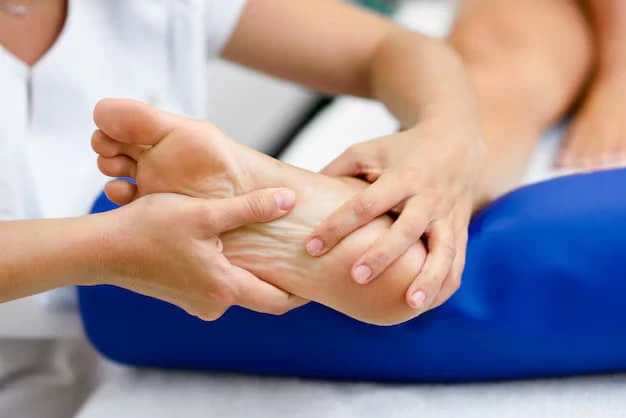
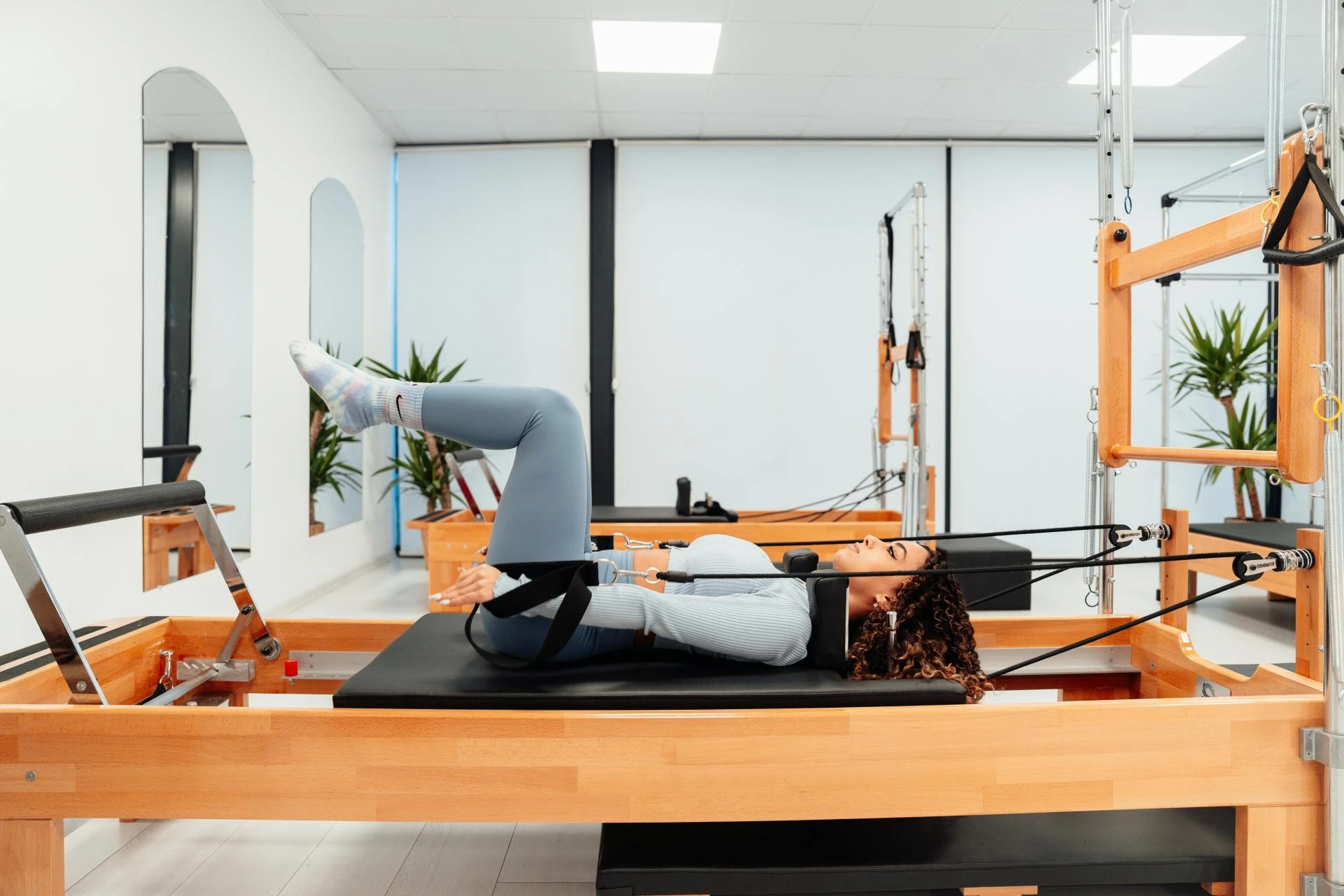
Physical therapy plays a central role in recovery. A trained therapist designs exercises that strengthen weakened muscles and improve coordination.
Common therapeutic exercises include:
- Ankle dorsiflexion strengthening
- Resistance band training
- Toe raises
- Balance and gait training
- Stretching tight calf muscles
Regular therapy helps retrain muscles and encourages nerve recovery. Over time, consistent exercise may improve walking patterns and reduce foot dragging.
Functional Electrical Stimulation
Functional electrical stimulation uses small electrical impulses to activate the muscles responsible for lifting the foot. A device delivers controlled stimulation to the peroneal nerve during walking.
Benefits of this approach include:
- Improved walking speed
- Enhanced muscle activation
- Prevention of muscle atrophy
- Promotion of neuroplasticity
For some individuals, electrical stimulation supports long term functional improvement without the need for surgical intervention.
Ankle Foot Orthoses
An ankle foot orthosis is a brace designed to hold the foot in a neutral position. This device prevents toe dragging and reduces the risk of falls.
Advantages include:
- Immediate improvement in walking safety
- Reduced strain on compensating muscles
- Enhanced stability
- Increased confidence during movement
While a brace does not cure the condition, it provides essential support during recovery and daily activities.
Occupational Therapy
Occupational therapy helps individuals adapt to daily tasks affected by drop foot. Therapists may recommend modifications to the home environment or teach strategies to improve safety and independence.
This approach is especially beneficial for individuals recovering from stroke or neurological disorders.
Medications
In cases where inflammation or nerve irritation contributes to symptoms, medications may help. Anti inflammatory drugs, corticosteroids, or medications targeting nerve pain can reduce discomfort and support healing.
For individuals with diabetes or autoimmune conditions, managing the underlying disease is crucial to preventing further nerve damage.
Nerve Gliding Exercises
Nerve gliding exercises aim to improve nerve mobility and reduce compression. These gentle movements promote healthy nerve function and can be incorporated into a therapy program.
Consistent practice may help relieve pressure on affected nerves and encourage gradual recovery.
Lifestyle Modifications That Support Recovery
In addition to clinical treatments, lifestyle changes can significantly influence healing outcomes.
Managing Underlying Health Conditions
Conditions such as diabetes, autoimmune disorders, or spinal problems must be properly managed. Blood sugar control, proper posture, and weight management can reduce strain on nerves and improve overall recovery potential.
Maintaining Physical Activity
Remaining active within safe limits prevents muscle atrophy and joint stiffness. Low impact exercises such as swimming or stationary cycling can maintain strength without overloading the affected area.
Fall Prevention Strategies
Since drop foot increases fall risk, safety measures are essential. These may include:
- Removing tripping hazards
- Wearing supportive footwear
- Installing grab bars in key areas
- Using mobility aids when necessary
Safety precautions protect individuals during the recovery process.
Timeline for Recovery
The recovery timeline varies widely depending on the underlying cause and severity of nerve damage.
Mild Nerve Compression
When caused by temporary compression, improvement may begin within weeks to a few months after treatment starts.
Moderate Nerve Injury
More significant nerve injuries may require several months of therapy. Nerve regeneration typically progresses slowly, at a rate of approximately one millimeter per day.
Chronic Conditions
For individuals with chronic neurological conditions, drop foot may not completely resolve. However, consistent non-surgical treatment for drop foot can greatly enhance mobility and independence.
Patience and adherence to therapy are critical for optimal outcomes.
Factors That Influence Healing
Several factors determine whether drop foot can heal without surgery.
Age and Overall Health
Younger individuals with good overall health often recover more quickly due to stronger regenerative capacity.
Early Intervention
Prompt diagnosis and treatment significantly improve the likelihood of recovery. Delayed care may allow nerve damage to worsen.
Severity of Nerve Damage
Partial nerve injury offers a better prognosis than complete nerve disruption. Electrodiagnostic testing can help assess nerve function and guide treatment decisions.
Consistency of Rehabilitation
Regular participation in therapy sessions and home exercises enhances muscle reeducation and nerve healing.
Psychological and Emotional Considerations
Mobility limitations can impact mental well being. Anxiety about falling or frustration with slow progress may arise.
Support from healthcare providers, family members, and support groups plays an important role in maintaining motivation. Setting realistic goals and celebrating small improvements can foster a positive outlook during recovery.
Long Term Outlook
Many individuals achieve meaningful improvement without surgical intervention. Even when full recovery is not possible, non-surgical treatment for drop foot often restores sufficient function to allow independent walking and participation in daily activities.
Modern rehabilitation techniques continue to evolve, offering increasingly effective conservative options. Personalized treatment plans tailored to each individual’s condition provide the best path forward.
When to Seek Professional Evaluation
Anyone experiencing persistent foot weakness, dragging, or changes in walking pattern should seek medical evaluation promptly. Early diagnosis allows for timely initiation of therapy and increases the likelihood of successful non-invasive management.
Comprehensive assessment typically includes:
- Physical examination
- Imaging studies such as MRI
- Nerve conduction studies
- Evaluation of underlying medical conditions
Accurate diagnosis ensures that the chosen treatment strategy addresses the true cause of symptoms.
Conclusion
Drop foot can often improve without surgical intervention, especially when the underlying cause is identified early and managed appropriately. Through physical therapy, electrical stimulation, bracing, medication, and lifestyle adjustments, many individuals experience significant functional gains. Non-surgical treatment for drop foot offers a safe and effective pathway toward restoring mobility, preventing falls, and enhancing overall quality of life. Those seeking specialized evaluation and comprehensive care may consider consulting Restorative Limb Center for professional guidance tailored to individual needs.



























Sign in to leave a comment.