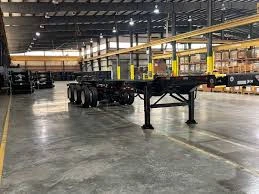

When it comes to transporting shipping containers, choosing the right chassis is a crucial decision. The right chassis ensures smooth operations, enhances safety, and optimizes costs in intermodal transportation. With several options available, understanding container sizes, weight limits, and specific transport needs is essential. This guide will help you make an informed choice.
Understanding Intermodal Chassis
An intermodal chassis is a specially designed trailer that carries shipping containers across different transport modes, including trucks, trains, and ships. These chassis play a key role in logistics by allowing containers to move seamlessly between ports, rail yards, and warehouses without needing to be unpacked and repacked. They help streamline operations and improve efficiency in the supply chain.
Why Is It Called a Container Trailer?
Many people use the term "container trailer" when referring to an intermodal chassis. However, there is a difference. A container trailer is a general term for any trailer that moves containers, while an intermodal chassis is specifically built for intermodal transport. These chassis are standardized, ensuring compatibility across various transport networks, which improves efficiency in shipping and logistics.
Types of Intermodal Chassis
CIE Manufacturing, a leading provider of intermodal chassis, offers three main types designed to meet different transportation requirements:
1. Standard Chassis
- Suitable for 20-ft, 40-ft, and 53-ft containers.
- Commonly used for general freight and everyday shipping.
- Equipped with safety features to secure cargo during transport.
- Cost-effective and widely used in ports and rail yards.
2. Combo and Extendable Chassis
- Designed for flexibility, accommodating containers of different sizes.
- Extendable chassis can be adjusted to transport varying cargo lengths.
- Ideal for businesses handling diverse freight loads.
- Perfect for companies that need adaptable transport solutions.
3. Tri-Axle Chassis
- Built for heavy-duty and oversized cargo.
- Provides increased weight capacity for transporting heavy freight.
- Essential for regions with strict weight regulations.
- Ensures compliance with safety standards while maximizing load efficiency.
How to Choose the Right Chassis
Selecting the right chassis depends on several factors. Here’s what to consider:
- Container Size: Choose a chassis that matches your container’s length (20-ft, 40-ft, or 53-ft).
- Load Weight: If you transport heavy cargo, opt for a tri-axle chassis for extra support. Standard chassis are better suited for lighter loads.
- Usage Frequency: If you frequently transport containers, invest in a durable chassis. For occasional use, leasing might be a more cost-effective option.
Why Is Intermodal Transportation Gaining Popularity?
Intermodal transportation is becoming more common due to its many benefits:
- Lower Costs: Using rail or water transport can significantly cut fuel expenses.
- Eco-Friendly: Intermodal logistics help reduce carbon emissions.
- Smooth Transfers: Chassis ensure easy movement of containers between different transport modes.
- Greater Cargo Capacity: Intermodal transport allows for higher shipment volumes than traditional trucking alone.
Chassis Maintenance Tips
Regular maintenance is essential to extend the lifespan of a chassis and ensure safe operations. Follow these key maintenance steps:
- Inspect the chassis regularly for rust, wear, and structural damage.
- Lubricate moving parts to prevent excessive friction and wear.
- Check tire pressure frequently to avoid blowouts and extend tire life.
- Clean the chassis to prevent corrosion, especially in coastal or high-moisture environments.
- Ensure braking systems are in top condition to avoid accidents.
Where to Buy or Lease Quality Intermodal Chassis
CIE Manufacturing provides a wide selection of high-quality intermodal chassis, whether you’re looking to buy or lease. Their offerings include:
- Flexible Leasing Options: Short-term and long-term lease agreements to suit different business needs.
- Nationwide Availability: A network of dealers across major transportation hubs in the U.S. and Canada.
- Customized Solutions: Expert consultations to help you choose the right chassis for your specific operations.
Get Expert Guidance Today!
Choosing the right chassis is a key factor in optimizing intermodal transport. The right choice can enhance efficiency, reduce costs, and improve safety. Contact CIE Manufacturing today for a free consultation and explore the best chassis options for your logistics needs.
FAQs - Types and Features
What Are the Different Types of Intermodal Chassis?
The types include:
- Fixed chassis (for one container size)
- Extendable chassis (adjustable for multiple sizes)
- Gooseneck chassis (for taller containers)
- Tank chassis (for liquid tank containers)
What Materials Are Intermodal Chassis Made From? They are usually made from high-strength steel with corrosion-resistant coatings to handle heavy loads and weather conditions.
What Is a Tri-Axle Chassis? A tri-axle chassis has three axles instead of the standard two, allowing for heavier container transport.
What Are the Standard Sizes of Intermodal Chassis? Common sizes include 20-foot, 40-foot, 45-foot, and combo chassis that are adjustable for multiple sizes.
































Sign in to leave a comment.