
Introduction
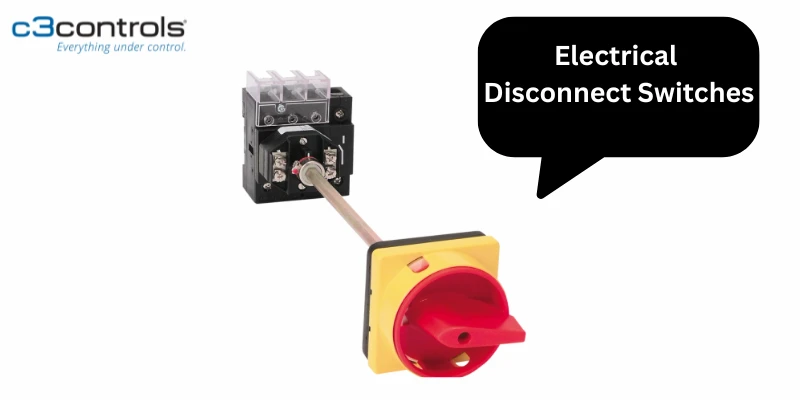
A disconnect switch, also known as an isolator switch, is a crucial component in electrical systems. It is designed to de-energize circuits for maintenance, ensuring the safety of personnel and equipment. Choosing the right disconnect switch is essential to maintain the reliability and safety of your electrical system.
This guide will help you understand the key factors to consider when selecting a disconnect switch, ensuring you make an informed decision that suits your specific needs.
Key Considerations for Selecting a Disconnect Switch
Current and Voltage Rating
One of the most critical factors in choosing a disconnect switch is ensuring that its current and voltage ratings match the requirements of your system. The current rating indicates the maximum current the switch can handle without overheating or becoming damaged, while the voltage rating specifies the maximum voltage the switch can safely operate under.
Using a disconnect switch with an insufficient current or voltage rating can lead to severe risks, including overheating, electrical arcing, and potential failure of the switch, which can compromise the safety and functionality of your entire electrical system. Therefore, it is vital to accurately assess your system\'s needs and choose a disconnect switch with appropriate ratings to ensure safe and reliable operation.
Fusible vs. Non-Fusible Disconnect Switches
Disconnect switches come in two main types: fusible and non-fusible. Understanding the differences between these two types will help you choose the right one for your application.
Fusible Disconnect Switches
Fusible disconnect switches incorporate fuses, providing an added layer of protection. The fuses are designed to blow in the event of an overcurrent or short circuit, thereby interrupting the electrical flow and protecting the downstream components from damage. This makes fusible switches ideal for applications where overload protection is a primary concern.
Non-Fusible Disconnect Switches
Non-fusible disconnect switches do not contain fuses and are primarily used for isolating circuits. These switches are known for their durability and are suitable for applications where frequent switching is required. Non-fusible switches are often preferred in scenarios where the primary need is to disconnect power for maintenance purposes rather than providing overload protection.
When deciding between fusible and non-fusible disconnect switches, consider your specific needs. If your primary concern is protecting your equipment from overloads, a fusible switch might be the best choice. Conversely, if your application involves frequent switching and you do not require additional overload protection, a non-fusible switch would be more appropriate.
Installation and Environmental Factors
The installation environment and mounting style are also important considerations when selecting a disconnect switch. Different mounting styles are available, including wall-mounted, panel-mounted, and floor-mounted options. It is crucial to choose a mounting style that is compatible with your setup to ensure proper installation and operation.
Environmental factors, such as whether the switch will be installed indoors or outdoors and the temperature range it will be exposed to, should also be taken into account. For outdoor installations, it is important to select a disconnect switch that is rated for outdoor use and can withstand various weather conditions. Additionally, if the switch will be exposed to extreme temperatures, ensure it is rated to operate safely within those temperature ranges.
Additional Considerations
Ease of Use and Maintenance
When selecting a disconnect switch, consider how easy it is to use and maintain. Look for features such as clear labeling, straightforward operation, and accessible components for maintenance. A switch that is easy to operate and maintain will enhance safety and reduce downtime.
Cost Factors
Cost is always an important consideration. While it may be tempting to choose the least expensive option, it is essential to balance cost with quality and reliability. Investing in a high-quality disconnect switch can save money in the long run by reducing the risk of failures and maintenance costs.
Brand Reputation and Warranty
The reputation of the manufacturer and the warranty offered are also critical factors. Choose a disconnect switch from a reputable brand known for producing reliable and durable products. Additionally, a good warranty can provide peace of mind, knowing that you are covered in case of any defects or issues.
Conclusion
Choosing the right disconnect switch involves considering various factors, including current and voltage ratings, the type of switch (fusible vs. non-fusible), installation and environmental factors, ease of use, cost, and the reputation of the brand. By carefully evaluating these aspects, you can select a disconnect switch that ensures the safety and efficiency of your electrical system.
For the best results, it is always recommended to consult a qualified electrician who can provide professional guidance tailored to your specific needs.

























Sign in to leave a comment.