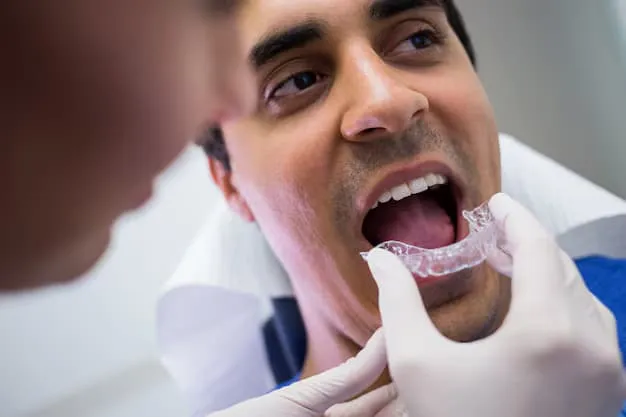

After orthodontic treatment, retaining tooth alignment is an important part of maintaining treatment results. Clear removable retainers have become a practical option for many patients because they are discreet, lightweight, and designed to fit closely over the teeth. Choosing Essix retainers for dentists requires more than selecting a transparent appliance. Dental professionals should consider the patient's previous treatment, current alignment, oral habits, compliance, comfort preferences, occlusion, and expected retention needs. A carefully selected retainer can provide a suitable balance between appearance, convenience, durability, and effective maintenance of the achieved orthodontic result.
Understanding Essix Retainers
An Essix retainer is a clear, removable thermoplastic appliance formed over a model of the patient's dental arch. It generally covers the teeth and is designed to hold them in their corrected positions after active orthodontic treatment. Because the appliance is transparent and does not require visible wires, it can be appealing to patients who prioritize aesthetics. Its removable design also allows patients to take it out for eating and oral hygiene. However, the appliance is passive and should not be viewed as a substitute for active orthodontic treatment when significant tooth movement is required.
Why Patient Selection Matters
Not every patient has the same retention requirements. Someone with a straightforward orthodontic correction may have different needs from a patient who previously presented with substantial crowding, rotations, spacing, or other alignment concerns. Patient cooperation is another important consideration because removable appliances depend on appropriate use according to professional instructions. Dentists should evaluate the stability of the completed result, current tooth positions, bite relationships, and anticipated retention requirements before selecting a design. A patient centered approach helps ensure that the retainer is practical for everyday use while remaining consistent with the clinician's treatment objectives.
Choosing a Retainer for Routine Retention
For many patients, an Essix retainer can provide a discreet method of maintaining alignment after orthodontic treatment. Its clear appearance may encourage acceptance among patients who are concerned about wearing a visible appliance. The close fitting thermoplastic design can also make the appliance relatively unobtrusive during daily activities. Dentists should confirm that the final dental records accurately represent the desired post treatment position before fabrication. A precise model or digital scan gives the laboratory an appropriate foundation for creating the retainer. The finished appliance should then be assessed clinically for fit, comfort, retention, and overall condition.
Patients Who Prioritize Appearance
Some patients may place considerable importance on maintaining a natural looking appearance while wearing a retainer. Clear thermoplastic appliances can be particularly attractive in these circumstances because they are less noticeable than many traditional wire based designs. Adults who work in public facing environments may appreciate a discreet option, while younger patients may also prefer an appliance that does not visibly alter their smile. Nevertheless, aesthetics should not be the only consideration. Dentists should balance appearance with durability, patient compliance, occlusal considerations, hygiene, and clinical suitability before recommending a particular retainer for an individual patient.
Selecting Thickness and Material
The thickness and material of an Essix retainer can influence its flexibility, rigidity, comfort, durability, and overall feel. Different patients may therefore require different material specifications based on their clinical circumstances. A thinner material may provide a lower profile, while a thicker option can offer greater rigidity in selected situations. Material choice should be determined according to the appliance's intended use and the patient's individual needs rather than a universal standard. Dentists should communicate relevant preferences to the laboratory and consider whether the patient has habits or functional conditions that could increase appliance wear.
Patients With Heavy Grinding Habits
Patients who regularly clench or grind their teeth may place greater mechanical demands on a clear retainer. In these situations, dentists should carefully evaluate whether a conventional Essix design is appropriate for the intended purpose. Increased thickness or a more durable material may be considered when clinically suitable, although simply making a retainer thicker does not automatically transform it into an appliance intended for occlusal protection. A separate protective appliance may sometimes be more appropriate. Laboratory technicians should be informed about relevant patient habits so that fabrication choices can reflect the clinician's specific prescription and intended appliance function.
Considering Patients With High Relapse Risk
Some orthodontic cases may present greater concerns about unwanted tooth movement after active treatment. Previous rotations, significant crowding, spaces, or other complex corrections may require particularly careful retention planning. In such cases, dentists may consider whether an Essix retainer should be used alone or as part of a broader retention strategy. Retention preferences vary among orthodontic professionals, and clinical decisions should be based on the individual case rather than a universal protocol. Research involving orthodontists has shown substantial variation in retainer selection and wearing recommendations, highlighting the importance of individualized treatment planning.
When Combination Retention Is Considered
Some patients may benefit from more than one form of retention, depending on their treatment history and clinical risk factors. A removable clear retainer can sometimes be used alongside a fixed retainer when the clinician wants an additional retention method. Survey data from orthodontists indicate that combinations of fixed and clear removable retainers are used in clinical practice, particularly for certain arches and treatment situations. The decision should depend on the patient's alignment, compliance, oral hygiene, and anticipated relapse risk. Dentists should determine the appropriate strategy rather than relying on a single retention approach for every patient.
Considering Patient Compliance
Patient compliance is one of the most important factors when prescribing a removable retainer. Even an accurately fabricated appliance cannot perform its intended retention role if the patient does not use it according to professional instructions. Dentists should consider whether the patient understands the purpose of retention, can follow wearing recommendations, and is likely to protect and maintain the appliance. Patients should receive clear guidance regarding insertion, removal, cleaning, storage, and follow up. Discussing expectations before delivery can improve cooperation and help patients understand that retention is an ongoing part of maintaining orthodontic results.
Younger Patients and Removable Retainers
Younger patients may have different levels of responsibility and motivation when managing a removable appliance. Parents or caregivers may need to assist with storage, cleaning, reminders, and monitoring. Dentists should consider the patient's maturity and daily routine before selecting an Essix retainer. A child who frequently misplaces removable appliances may require additional guidance or a different retention strategy. When a clear retainer is selected, the appliance should be comfortable and easy to handle. Simple instructions and regular follow up can help younger patients develop consistent habits and understand why retaining the orthodontic result is important.
Patients With Missing Teeth
An Essix retainer can sometimes be modified to include a prosthetic tooth within a space where a tooth is missing. This type of design can provide an interim aesthetic solution while maintaining the appearance of the smile during a transitional period. It may be considered following extraction or when a single tooth is absent and definitive restorative treatment is being planned. The appliance should not be considered a substitute for a definitive restoration or designed for heavy chewing through the replacement tooth. Dentists should provide clear instructions and communicate the intended function to the laboratory before fabrication.
Planning Pontic Retainers
When an Essix retainer includes a replacement tooth, the laboratory requires accurate information about the space, adjacent teeth, desired appearance, and intended appliance function. Dentists should specify the appropriate shade or other aesthetic details when necessary. The appliance should be designed to provide the desired appearance without creating unnecessary interference with surrounding structures. Patients should understand that such an appliance may be temporary and requires appropriate care. Clear communication between the dental practice and laboratory is particularly important for these cases because aesthetic expectations can be highly individual and the appliance has both retention and transitional restorative purposes.
Considering Occlusion
Occlusion should be carefully evaluated when selecting and fitting a clear retainer. Because an Essix appliance covers the teeth, its design can influence how opposing teeth contact the appliance. Dentists should assess whether the selected design is appropriate for the patient's bite and treatment objectives. Published literature has discussed potential concerns involving posterior contacts and bite changes with certain thermoplastic retainer designs. These considerations do not make clear retainers unsuitable, but they emphasize the importance of case selection, accurate fabrication, clinical assessment, and appropriate follow up. Dentists should evaluate each patient's occlusion before finalizing retention plans.
Evaluating Posterior Contacts
Posterior contacts deserve particular attention when fitting a full coverage clear retainer. The appliance should fit accurately over the intended dental surfaces without creating unexpected interference. Dentists can evaluate the patient's bite during placement and determine whether any modification is necessary. If a patient reports unusual biting sensations or discomfort after receiving the appliance, professional assessment should be arranged rather than assuming that the sensation will resolve. Proper laboratory design and accurate records can help reduce fit related problems. Clinical verification remains essential because the laboratory cannot fully replace the dentist's assessment of the patient's functional occlusion.
Digital Scanning and Essix Fabrication
Digital impressions have become increasingly useful for clear retainer fabrication because they allow dental practices to submit electronic records directly to laboratories. A digital scan can provide a three dimensional representation of the patient's teeth that can be used for model creation and appliance fabrication. Digital workflows may reduce the need to transport physical impressions and can make case communication more efficient. However, scan quality remains important. The dental team should ensure that the entire required arch is captured clearly and that the submitted file contains accurate information. A reliable digital workflow depends on both appropriate scanning and careful laboratory processing.
Benefits of Digital Workflows
Digital workflows can simplify record storage, case submission, and communication between dental practices and laboratories. Electronic files can be transferred without physical shipping and may be retrieved more easily when replacement appliances are needed, provided the patient's current clinical condition remains compatible with the stored record. Computer aided design and digital manufacturing can also support consistent fabrication. Nevertheless, digital technology does not remove the need for professional inspection. Dentists and technicians should verify that the digital model, design, and final retainer correspond with the prescription. Technology is most useful when combined with experienced clinical and laboratory oversight.
Comparing Essix With Other Retainers
An Essix retainer is not automatically the best choice for every patient. Traditional removable retainers and fixed retainers each have different characteristics that may make them more appropriate in certain situations. Clear thermoplastic appliances are generally valued for their aesthetics, close fit, and removable design, while other options may offer advantages involving durability, adjustability, or continuous retention. Dentists should compare these factors against the patient's clinical requirements and compliance. The most suitable retention strategy may involve one type of retainer or a combination, depending on the patient's previous orthodontic correction and anticipated relapse risk.
Making an Individualized Decision
Choosing an Essix retainer should involve consideration of the patient's clinical history, current dental condition, lifestyle, preferences, compliance, and retention objectives. The appliance should also be appropriate for the patient's bite and expected duration of use. Dentists can communicate these requirements to the laboratory through detailed prescriptions and accurate records. The laboratory can then fabricate the retainer according to the specified design and material requirements. This collaborative process allows clinical judgment and technical expertise to work together. An individualized approach can improve the likelihood that the selected retainer will be practical, comfortable, and suitable for the patient's retention needs.
Conclusion
Choosing the right Essix retainer requires careful consideration of each patient's orthodontic history, dental anatomy, occlusion, compliance, lifestyle, comfort expectations, and long term retention needs. Clear thermoplastic retainers can provide a discreet and convenient option for many patients, but they should be selected according to clinical circumstances rather than appearance alone. Accurate digital or physical records, appropriate material selection, precise laboratory fabrication, careful fitting, patient education, and regular follow up all contribute to effective retention management. Ohlendorf Appliance Laboratory can be considered by dental professionals seeking experienced laboratory support for customized Essix retainers and related orthodontic appliance needs.


























Sign in to leave a comment.