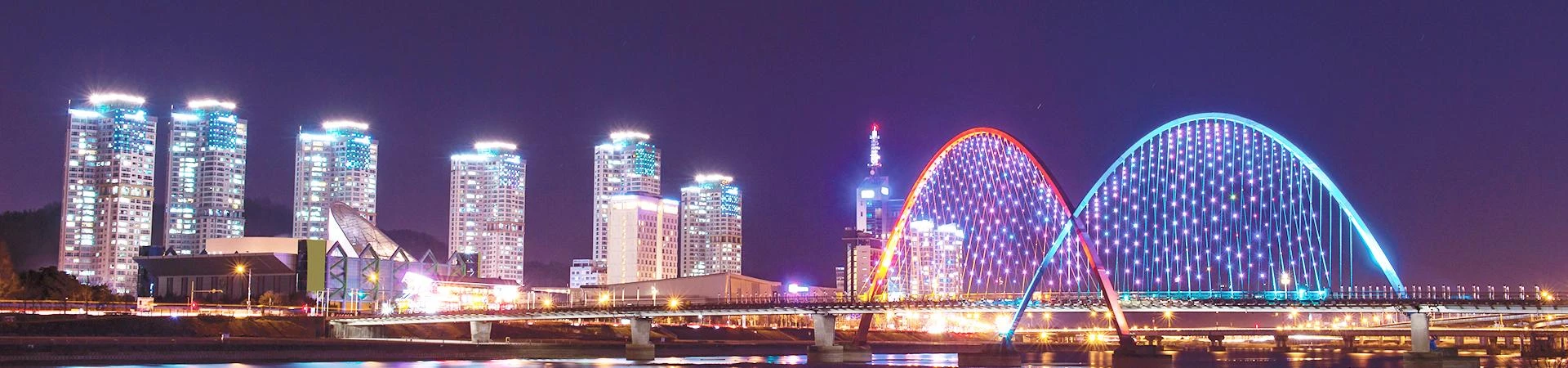

Lighting is not just about visibility; it’s about storytelling. When it comes to building design, facade lighting plays a pivotal role in how a structure is perceived after sundown. From highlighting intricate cornices to casting elegant shadows across a modern glass wall, the right lighting can elevate a building’s identity from ordinary to iconic. A well-lit facade not only adds aesthetic appeal but also communicates the structure's purpose, mood, and personality.
But with the many options available today, from smart lighting systems to architectural-grade LED fixtures, how do you choose the best facade lighting for buildings? Let’s walk through some expert insights and facade lighting ideas that can guide you to the perfect choice.
1. Understand the Building’s Architectural Style
Your lighting should complement, not compete with, the structure. Begin by studying the building’s architectural features, historical significance (if any), and material palette.
For example, classical architecture with ornate mouldings, arches, or columns deserves a soft, warm glow to highlight its timeless beauty. Uplighting or silhouetting techniques are particularly effective here, casting shadows that add depth and grandeur.
Conversely, for modern, minimalist designs, think clean lines, metal cladding, or glass facades, uniform linear lights or sleek wall washers work best. These accentuate the structure’s symmetry and polish without overwhelming its form.
The golden rule? Let the architecture lead the lighting design.
2. Focus on Function and Focal Points
From the timeless arches of Charminar to the modern skyline of Hitech City, Hyderabad tells its story through every curve, pillar, and facade. Entryways, balconies, columns, or textured walls, each architectural detail becomes even more striking when illuminated with the right light.
Jaquar’s lighting does more than brighten; it transforms. Narrow-beam spotlights can give the Charminar its majestic stance, while wide-beam floodlights can drape Necklace Road in a warm, welcoming glow. From serene parks to bustling streets, and from heritage landmarks to contemporary spaces, every corner of Hyderabad deserves to shine in its true light.
When Jaquar lights Hyderabad, the city doesn’t just sparkle, it resonates, turning everyday spaces into unforgettable experiences.
This is where the best architectural lights shine; they provide versatility and precision.
3. Mix Lighting Techniques Thoughtfully
Some of the most impactful facade lighting designs arise from a careful mix of techniques. Each method contributes a unique visual effect:
- Uplighting creates a dramatic upward glow that highlights verticality and grandeur.
- Downlighting is subtle and elegant, often used to create soft pools of light near the ground.
- Add under water lighs as one of the facade lighting solution.
- Grazing light skims the facade surface, revealing textures such as stone, brick, or concrete in exquisite detail.
- Silhouetting adds intrigue by placing lights behind architectural elements like grills or columns, casting eye-catching shadows.
Combining two or more methods adds layers to the lighting design and gives your building more character at night without making it visually overwhelming.
4. Choose the Right Colour Temperature
Colour temperature is a crucial but often overlooked element. It determines the "feel" of your facade after dark.
- Warm white (2700K–3000K) works beautifully for traditional or residential structures, evoking comfort and warmth.
- Neutral white (3500K–4000K) is a versatile choice for commercial or institutional buildings.
- Cool white (5000K–6500K) gives glass and steel facades a clean, futuristic appearance, ideal for modern offices or retail buildings.
While dynamic RGB lights are not always appropriate for formal buildings, they are excellent for entertainment venues, hotels, or landmarks during special events.
5. Opt for Energy-Efficient and Weatherproof Fixtures
Facade lighting is not just a one-time installation; it’s a long-term investment in sustainability and performance. LEDs are now the industry standard due to their energy efficiency, long lifespan, and low maintenance requirements.
When selecting fixtures, ensure they are rated for outdoor use. An IP65 rating or higher is essential to protect against dust and water ingress. The best facade lights are also built with corrosion-resistant materials that withstand harsh climates and environmental exposure.
6. Don’t Ignore Control Systems
Modern buildings demand modern solutions. Smart lighting control systems allow you to schedule brightness levels, change colours dynamically, and even respond to motion or occupancy.
This ensures consistent lighting for hotels, commercial buildings, or public monuments and reduces manual oversight and power consumption. Timers, dimmers, and programmable logic controllers (PLCs) can bring a level of sophistication that manual systems can’t match.
Lighting That Defines Architectural Brilliance
If you’re looking for high-quality, performance-driven facade lighting, Jaquar’s Architectural Lighting range deserves your attention. Designed for functionality and design harmony, Jaquar’s outdoor lights, such as floodlights, wall washers, and linear luminaires, enhance architectural character while staying energy-efficient.
Each product is engineered with durability in mind. With IP65 and higher ingress protection ratings, Jaquar’s lighting fixtures are weatherproof and long-lasting, making them ideal for Indian climates. Available in various beam angles, wattages, and colour temperatures, their lights can be tailored to suit heritage buildings and contemporary projects.
More importantly, Jaquar supports innovative control systems for dynamic lighting, including dimming and colour-tuning features, so your building can glow exactly how you want it to, whether for branding, ambience, or celebration.
Because at the end of the day, or rather, the facade lighting speaks loudest when the sun sets.
To know more, visit Jaquar's YouTube channel to see how they’re redefining architectural lighting nationwide.






























Sign in to leave a comment.