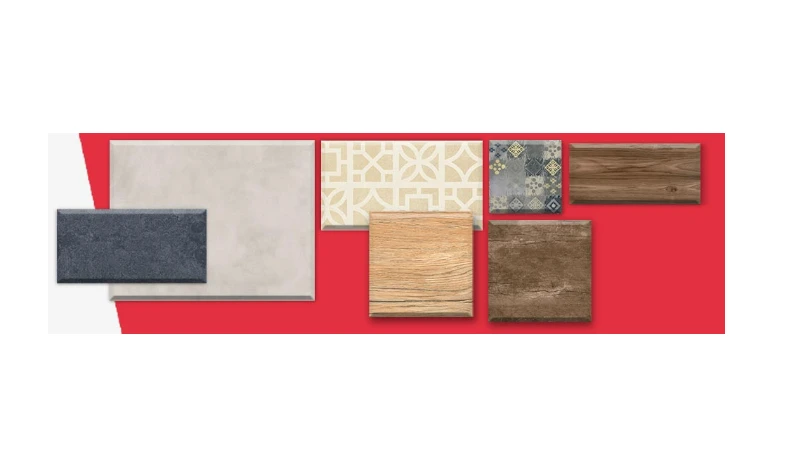

When it comes to manufacturing high-quality tiles, the selection of the right materials plays a pivotal role. Among these materials, frits, inks, and stains are essential for achieving durability, aesthetics, and functionality. Each type of tile—whether ceramic, porcelain, or vitrified—requires specific frit formulations to meet design and performance standards.
This guide will help you understand how to choose the right frits for various tile types, while exploring their relationship with inks and stains.
What Are Frits for Tiles?
Frits are finely milled glass powders created by fusing raw materials like silica, feldspar, and borax at high temperatures and then rapidly cooling the molten glass. These powders are then used in tile glazes to improve properties such as gloss, hardness, and resistance to wear and moisture.
Factors to Consider When Choosing Frits for Tiles
Tile Type
- Ceramic Tiles: For standard ceramic tiles, transparent frits are commonly used to enhance the gloss of the glaze. They ensure uniform coverage while preserving the underlying design or color.
- Porcelain Tiles: These dense and less porous tiles require frits with higher melting points, offering durability and superior surface finishes.
- Vitrified Tiles: Vitrified tiles demand frits that contribute to high mechanical strength and resistance to abrasion, making them suitable for heavy-duty applications.
Intended Use
- Indoor Tiles: Glossy frits are ideal for indoor wall and floor tiles where aesthetics matter most.
- Outdoor Tiles: For exterior tiles, matte or satin frits are better choices, as they reduce glare and improve slip resistance.
Design Requirements
- Transparent Frits: These are used for achieving depth and clarity in decorative patterns.
- Opaque Frits: Suitable for creating solid, vibrant finishes on tiles, particularly in bold and contemporary designs.
Chemical Resistance
In areas like kitchens and bathrooms, tiles are exposed to chemicals and moisture. Choosing frits with excellent resistance to acids and alkalis ensures the tiles retain their finish over time.
The Role of Inks for Tiles in Frit Selection
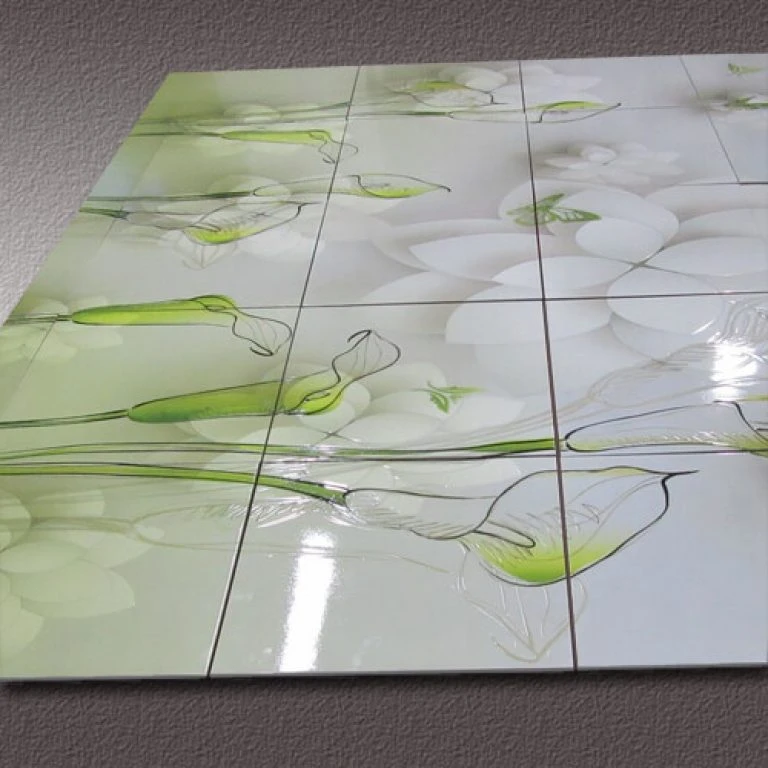
Digital printing technology has revolutionized tile manufacturing. Inks for tiles are used to create intricate designs and patterns on the tile surface before applying a frit-based glaze. The compatibility between the ink and the frit is crucial for achieving sharp designs and ensuring the glaze doesn’t obscure the printed patterns.
- Solvent-Based Inks: Suitable for tiles with transparent frits, as they allow the designs to stand out.
- Pigmented Inks: These work well with opaque frits, creating vibrant, long-lasting designs.
How Stains for Tiles Complement Frits
Stains for tiles are used to impart color to glazes, frits, and bodies during the manufacturing process. These ceramic stains are available in a wide range of hues and can be combined with frits to enhance the visual appeal of tiles.
- For Decorative Tiles: Stains paired with transparent frits create intricate designs and vibrant colors.
- For Uniform Tiles: Opaque frits combined with single-tone stains result in consistent finishes ideal for large-scale applications.
Common Challenges in Choosing Frits and How to Overcome Them
- Mismatch Between Frit and Tile Body: Ensure that the coefficient of thermal expansion (CTE) of the frit aligns with that of the tile body to prevent cracks during firing.
- Over-Glazing Issues: Using excess frit can lead to uneven surfaces. It’s essential to apply the correct amount during the glazing process.
- Ink and Frit Incompatibility: Test the interaction between digital inks and frits to achieve optimal design clarity.
Sustainability in Frits, Inks, and Stains for Tiles
Choosing the right frits for different types of tiles is a critical step in tile manufacturing. By understanding the specific needs of ceramic, porcelain, and vitrified tiles, as well as the role of inks and stains, manufacturers can achieve optimal results in terms of performance and aesthetics. Whether creating durable outdoor tiles or intricate decorative designs, the combination of frits, inks, and stains ensures that every tile meets the highest standards of quality and design.











Sign in to leave a comment.