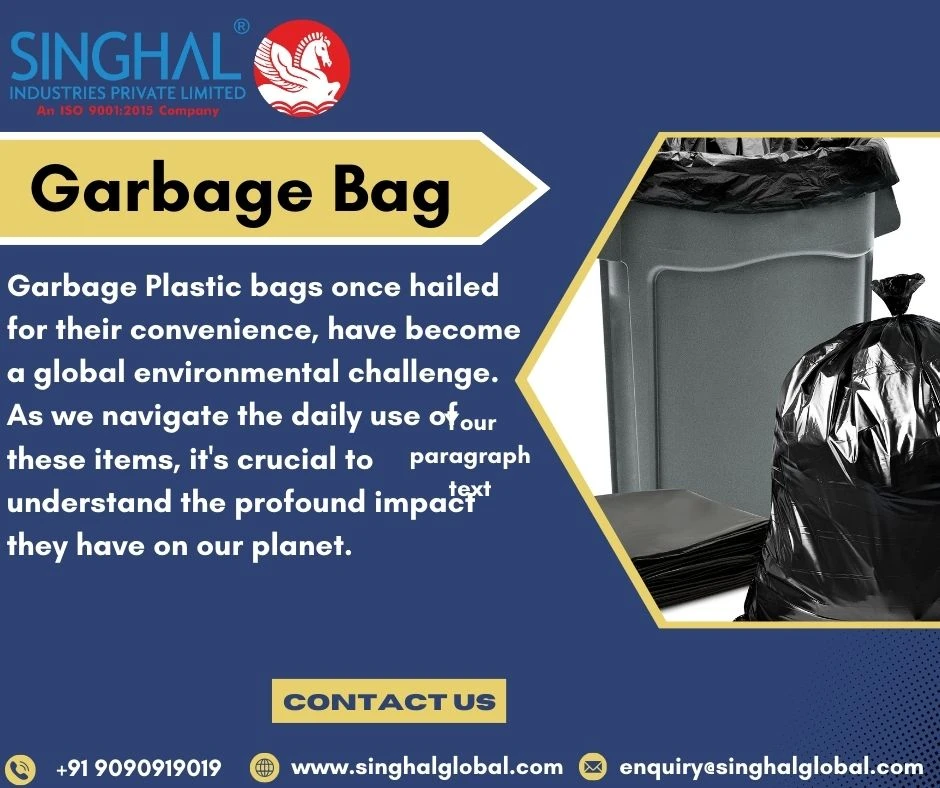

Waste management is a critical aspect of maintaining cleanliness and hygiene in our surroundings. One of the key components of effective waste management is choosing the right garbage bag. Whether it's for household use or commercial purposes, selecting the appropriate garbage bag can make a significant difference in keeping our environment clean and minimizing health risks. In this article, we will discuss some valuable tips for selecting the right garbage bag, along with considerations for waste management and hygiene.
Importance of Choosing the Right Garbage Bag
Garbage bags play a crucial role in waste management by providing a convenient and hygienic way to collect and dispose of trash. However, not all garbage bags are created equal. Choosing the wrong type of garbage bag can lead to various problems, including tears, leaks, and unpleasant odors. Therefore, it's essential to consider several factors when selecting a garbage bag for your needs.
Types of Garbage Bags
Plastic Garbage Bags are among the most commonly used types of garbage bags due to their affordability and versatility. They come in various sizes and thicknesses to accommodate different waste volumes and types. However, the widespread use of plastic garbage bags has raised environmental concerns, particularly regarding plastic pollution and its impact on marine life and ecosystems.
Biodegradable Garbage Bags
In response to environmental concerns, biodegradable garbage bags have gained popularity as a more eco-friendly alternative to traditional plastic bags. These bags are designed to break down more quickly in landfills, reducing their long-term environmental impact. However, it's essential to ensure that biodegradable bags meet relevant standards and certifications to guarantee their effectiveness.
Factors to Consider When Choosing Garbage Bags
Size and Capacity
Selecting the right size garbage bag is crucial to ensure proper waste containment and disposal. Choosing a bag that is too small may result in overflow, while a bag that is too large can be wasteful. It's essential to match the bag size to the size of the trash bin to maximize efficiency.
Thickness and Durability
The thickness of a garbage bag determines its strength and durability. Thicker bags are more resistant to tears and punctures, making them suitable for heavy or sharp objects. When choosing a garbage bag, consider the type of waste you'll be disposing of and select a bag with an appropriate thickness to withstand the load.
Scented vs. Unscented Bags
Scented Dustbin Bag india are infused with fragrances to help mask unpleasant odors, making them ideal for use in kitchens and other areas where odors can be a concern. However, it's essential to consider the environmental impact of scented bags and opt for unscented alternatives if eco-friendliness is a priority.
Cost-Effectiveness
While cost is an important consideration when choosing garbage bags, it's essential to balance affordability with quality. Cheaper bags may save money upfront but can end up costing more in the long run if they fail to contain waste effectively or require frequent replacements. Investing in higher-quality bags may result in long-term savings and better waste management outcomes.
Tips for Proper Waste Management
Proper Segregation of Waste
Segregating waste into recyclables, organics, and non-recyclables is essential for effective waste management. Use separate garbage bags for different types of waste to facilitate recycling and reduce contamination.
Regular Disposal
To prevent overflow and minimize odors, dispose of garbage regularly, especially perishable items. Avoid letting trash accumulate for extended periods to maintain cleanliness and hygiene in your surroundings.
Securing the Bag Properly
Ensure that garbage bags are securely tied and sealed to prevent leaks and spills. Double-bagging may be necessary for particularly heavy or sharp objects to provide added protection against tears and punctures.
Maintaining Hygiene
Minimize contact with waste by using gloves or other protective gear when handling garbage bags. Clean trash bins regularly to prevent the buildup of bacteria and odors, promoting a clean and hygienic environment.
Choosing the Right Garbage Bag: Practical Considerations
Assessing Specific Needs
Consider your specific requirements when choosing a garbage bag, such as household versus commercial use or specialized waste types. Tailor your selection to meet your unique needs and preferences.
Researching Brands and Manufacturers
Research different brands and to identify reputable Dustbin Bag Manufacturers Look for companies with a track record of quality and reliability, and consider their commitment to sustainability and environmental responsibility.
User Reviews and Recommendations
Seek feedback from other users to learn from their experiences with different garbage bag brands and types. User reviews can provide valuable insights into product performance and help you make informed decisions.
In conclusion, choosing the right garbage bag is essential for effective waste management and maintaining hygiene standards. By considering factors such as bag type, size, durability, scent, and cost-effectiveness, individuals and businesses can make informed decisions to minimize environmental impact and ensure efficient waste disposal practices.
FAQs (Frequently Asked Questions)
Are plastic garbage bags harmful to the environment?
Plastic garbage bags can pose environmental challenges, especially if not disposed of properly. However, some options, like biodegradable bags, offer more eco-friendly alternatives.
What is the significance of dustbin bag manufacturers like Singhal Industries in India?
Singhal Industries and similar manufacturers play a crucial role in providing quality garbage bags tailored to the needs of consumers in India, contributing to effective waste management and hygiene.
How can I ensure that the garbage bags I choose meet quality and safety standards?
Look for garbage bags that comply with relevant quality and safety certifications, such as ISO standards or eco-labels indicating biodegradability and environmental friendliness.
What are some tips for reducing plastic waste associated with garbage bags?
Consider alternatives to traditional plastic bags, such as biodegradable or compostable options, and minimize plastic usage by opting for reusable bags where possible.
How can businesses incorporate sustainable waste management practices into their operations?
Businesses can implement recycling programs, reduce waste generation through product design and packaging, and invest in eco-friendly alternatives to traditional garbage bags to minimize their environmental footprint.

























Sign in to leave a comment.