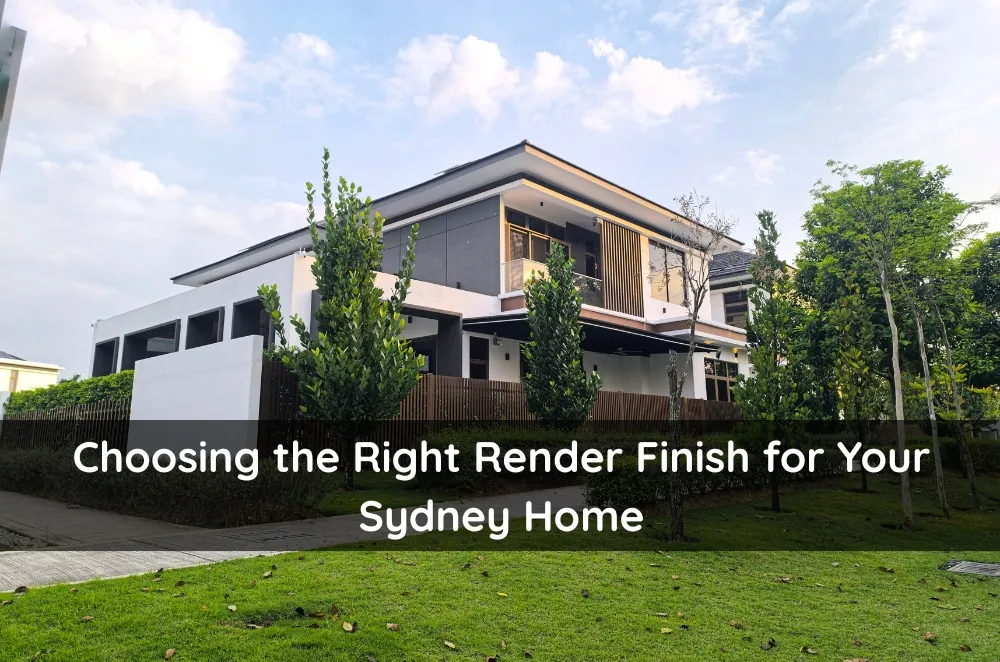

A fresh render can instantly modernise a façade, seal hairline cracks and add an extra layer of insulation. Yet with so many products on the market—cement, acrylic, polymer, insulated panels—it can be tricky to know which one will stand the test of Sydney’s salty air, summer heat and sudden downpours. Rather than defaulting to whatever your builder suggests, understanding how different renders behave in our unique conditions can save you maintenance headaches and help you achieve the exact look you’re after.
Whether you’re renovating a federation cottage in the Inner West or finishing a new coastal build in Cronulla, this guide will walk you through the main considerations.
Why Rendering Matters in Sydney’s Climate
Sydney enjoys plenty of sunshine, but our coastal location also brings humidity, salt spray and the occasional east-coast low. These factors accelerate surface wear, so the render you choose needs to:
- Resist cracking during rapid temperature changes
- Repel moisture to prevent bubbling or mould growth
- Retain colour despite UV exposure
Because one product rarely ticks every box, many homeowners turn to professionals for expert house rendering advice that matches their local microclimate and home style.
Popular Render Types and Their Pros & Cons
Understanding the basic options will help you have an informed conversation with your renderer or builder.
Traditional Cement Render
Pros
- Cost-effective and widely available
- Can be tinted or painted any colour
- Adds a tough, masonry-like coating
Cons
- Prone to hairline cracking if applied too thickly or during very hot weather
- Heavier finish may not suit lightweight cladding
- Requires painting or sealing to stay water-resistant
Best for: Brick or block walls on a budget-conscious project.
Acrylic Render
Pros
- Flexible polymer base limits cracking
- Pre-coloured mixes reduce painting costs
- Dries faster than cement (handy during wet seasons)
Cons
- More expensive per square metre
- Needs a skilled applicator for an even finish
Best for: Contemporary homes seeking sharp lines and vibrant, long-lasting colour.
Polymer-Modified Lime Render
Pros
- Vapour-permeable, allowing older walls to “breathe”
- Natural appearance suits heritage properties
- Lower embodied energy than pure cement products
Cons
- Limited colour palette unless painted
- Longer curing time
Best for: Heritage restorations or eco-minded renovations.
Insulated Render Systems (e.g., EIFS)
Pros
- Combines exterior insulation with a finished render coat
- Excellent thermal performance and energy savings
- Lightweight—great for second-storey extensions
Cons
- Specialist installation required
- Higher upfront cost
- May need additional impact-resistant layers in high-traffic areas
Best for: Energy-efficient new builds or retrofits where wall thickness isn’t an issue.
Key Factors to Consider Before You Pick a Finish
- Substrate Compatibility
Masonry walls tolerate cement-rich mixes, whereas fibre-cement or polystyrene cladding often pairs better with flexible acrylics. - Desired Aesthetic
Rustic, sand-textured surfaces differ greatly from slick, Venetian-style acrylics. Ask for sample boards to compare. - Maintenance Commitment
Pre-coloured acrylics can go a decade without repainting, while cement render usually needs fresh paint every 5–7 years. - Budget vs Long-Term Value
A cheaper product might crack sooner, leading to repair bills that exceed the original savings. Factor in lifecycle costs. - Council or Heritage Requirements
Some council areas stipulate breathable lime renders on heritage facades. Always check local guidelines before ordering materials. - Energy Efficiency Goals
If you’re chasing a seven-star NatHERS rating, insulated render panels could shave points off your heating and cooling loads.
DIY vs Professional Rendering: What You Need to Know
Plenty of weekend warriors tackle small garden walls with premix bags, but whole-of-house rendering is a different beast.
- Surface Preparation—Existing paint must be stripped or keyed, and cracks reinforced with mesh. Skimp here and delamination is almost guaranteed.
- Consistent Finish—Hand-trowelling large walls without overlap marks takes years to master.
- Weather Timing—Pros read humidity, substrate temperature and wind to avoid rapid drying that causes shrinkage cracks.
- Warranty & Compliance—Licensed renderers provide workmanship warranties and comply with AS 3700 masonry standards.
If you’re juggling a busy schedule or want a warranty that boosts resale confidence, engaging an experienced Sydney rendering crew is usually the safer bet.
When to Call in the Experts
You don’t need a building emergency to justify professional input. Seek a renderer’s assessment when:
- You spot rising damp or salt efflorescence—both need treatment before re-coating.
- The existing render has extensive cracks or bulges. A structural issue may be hiding beneath.
- You’re changing cladding materials (e.g., adding lightweight second-storey panels).
- You want to integrate insulation without altering internal room sizes.
A site visit generally includes moisture readings, substrate tests and a tailored quote, giving you a clear roadmap before tools hit the wall.
Final Thoughts
Rendering can be one of the most transformative yet technically demanding upgrades you make to your home’s exterior. By weighing up Sydney’s climate pressures, your building’s substrate and the finish you envision, you’ll narrow choices quickly. When in doubt, lean on certified applicators for product-specific guidance, cost projections and realistic maintenance expectations—advice that pays dividends long after the scaffold comes down.
FAQs
How long should a new render last in Sydney conditions?
With quality materials and correct application, acrylic or polymer-modified renders can look good for 15–20 years before needing significant touch-ups. Cement renders may require repainting sooner.
Will rendering improve my home’s insulation?
Standard render adds minimal R-value, but insulated render systems (EIFS) can markedly cut heating and cooling costs by wrapping the building envelope.
Can I render over painted brick?
Yes, but the paint has to be sound, non-glossy and well-keyed. Most pros apply a bonding primer and sometimes mesh to reduce peel-off risk.
Is planning approval required for rendering in NSW?
Generally not, but heritage-listed properties or major colour changes in some strata schemes may need prior consent. When unsure, check with your local council.




























Sign in to leave a comment.