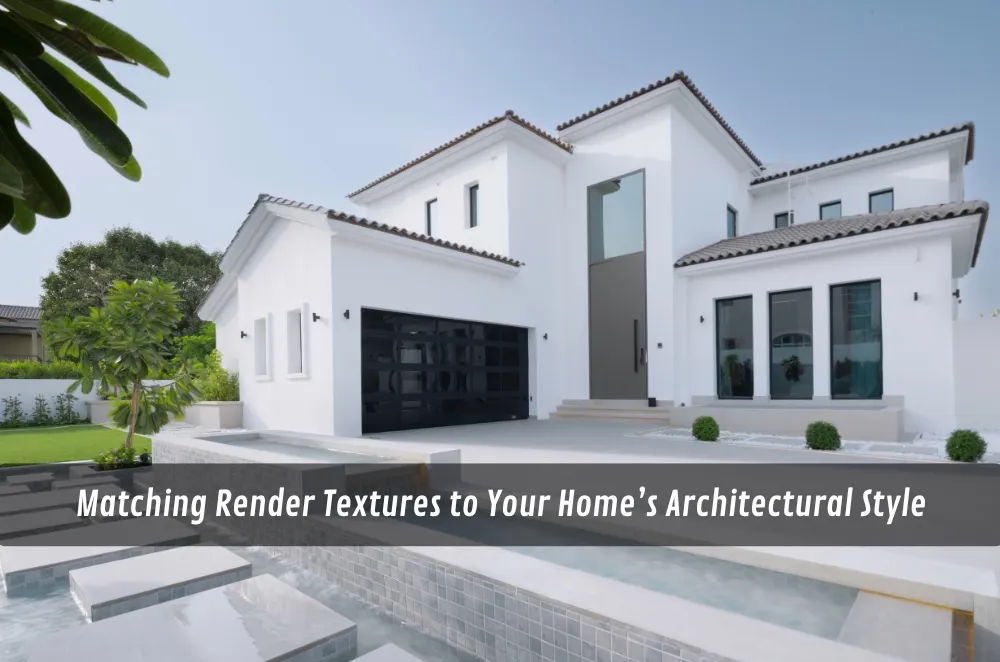

Rendering isn’t just about hiding brickwork—it’s an architectural decision that can lift street appeal, protect walls from Sydney’s weather swings, and even safeguard heritage features. Yet many homeowners feel overwhelmed by the sheer number of textures, materials, and affordable rendering services in Sydney on offer. Should you go sleek and smooth, choose a highly textured finish, or opt for a flexible acrylic coat? This guide breaks down what matters most so you can select a render texture that does justice to your home’s style—without walking into expensive re-work later.
Why Texture Matters More Than Many Homeowners Realise
Sydney’s diverse building stock ranges from ornate Federation houses to minimalist contemporary builds. Each style responds differently to light, shadow, and the city’s coastal climate. The wrong texture can accentuate imperfections, interrupt architectural lines, or clash with neighbouring properties. On the upside, the right texture can:
- Highlight period details such as mouldings or sandstone foundations
- Provide a breathable layer for older masonry
- Resist hairline cracking in areas that experience salt spray or thermal movement
- Complement modern minimalist façades with a smooth, gallery-like finish
If you’re still in the early research phase, this related guide on quality house render finishes offers extra context on finish durability and maintenance.
First Steps: Read the Room (and the Regulations)
Before falling in love with a Pinterest photo, ground your choice in two realities: your home’s existing style and local compliance. Heritage-listed properties, for instance, often need breathable, traditional mineral renders rather than synthetic coats. You can review formal advice via Heritage NSW to see how façade changes may be regulated in your suburb.
Modern builds have more freedom but still need to satisfy the Building Code of Australia for weatherproofing and fire resistance. Always confirm with your builder or certifier that the proposed system meets code in your specific council area.
Texture by Style: A Handy Comparison
Choosing a finish becomes easier once you match common architectural styles with proven texture types. The table below sums up typical pairings and why they work.
| Architectural Style | Recommended Texture | Why It Works | Watch-Outs |
| Federation / Edwardian | Light traditional float (slightly gritty) | Retains period character, allows masonry to breathe | Over-smoothing can look inauthentic |
| Mid-Century Brick Veneer | Bagged or raked texture | Masks irregular brick lines, delivers subtle depth | Deep rakes trap dust and may need sealing |
| Modern Minimalist | Smooth acrylic render | Creates crisp, shadow-free planes | Needs flawless substrate prep—imperfections show |
| Coastal Contemporary | Fine-grain flexible render | Handles salt spray and wind-driven rain | Lower-quality products can chalk in UV exposure |
| Heritage Sandstone Cottage | Lime-based roughcast | Breathable and visually sympathetic | Cement-heavy mixes can trap moisture |
Translating the Table Into Real-World Choices
- Confirm substrate condition: Loose paint, salt deposits, or crumbly mortar change which base coats you’ll need.
- Think long-term maintenance: Smooth acrylics wash down easily; deep textures conceal dirt but are harder to clean.
- Factor in light direction: Western façades in Sydney’s harsher afternoon sun show imperfections more readily.
Mid-Project Reality Check: When a New Texture Could Save You Headaches
It’s common to discover mid-renovation that an originally planned finish isn’t ideal—perhaps the bricks are too uneven for a skim-coat, or a heritage consultant flags breathability concerns. At this point many homeowners contact specialists for alternative rendering solutions for Australian homes that balance aesthetics with building science. Discussing options early avoids paying for scaffold twice or stripping back incompatible undercoats later.
Common Texture Selection Mistakes (And How to Dodge Them)
- Chasing trends over practicality
• Micro-cement effects look sleek online but can crack if applied to movement-prone timber-framed walls. - Ignoring expansion joints
• Skipping joint placement on long walls invites random cracking that no texture can hide. - Forgetting colour integration
• Heavier textures absorb more paint, altering perceived tone; always test on-site swatches. - Overlooking climate impact
• Coastal suburbs like Cronulla and Manly need higher salt resistance than inland areas such as Parramatta. - DIY shortcuts on primer
• Primer saves face—literally. Unprimed surfaces absorb moisture unevenly and show blotches through topcoats.
Quick Checklist: Questions to Ask Your Renderer Before Signing Off
- Which render system (base + finish) matches both my wall substrate and chosen texture?
- How will you protect windows, landscaping, and neighbour properties from overspray or slurry?
- What curing time do you allow between coats, given current season and humidity?
- Can you supply product data sheets confirming breathability and salt resistance?
- Where will expansion joints sit, and how will they align with existing architectural lines?
Maintenance Snapshot: Keeping Textures Looking Good Longer
| Finish Type | Basic Upkeep | Typical Lifespan* |
| Smooth Acrylic | Annual hose-down; repaint every 10–12 years | 20+ years |
| Bagged Cement | Gentle brushing; repointing after 8–10 years | 15–20 years |
| Lime Roughcast | Low-pressure wash; lime wash refresh 7–9 years | 25+ years |
*Approximate spans under Sydney’s temperate climate; coastal exposure or neglected cleaning may shorten durability.
Final Thoughts
Your home’s architectural DNA should steer, not stifle, your choice of render texture. By weighing aesthetics against substrate needs, local regulations, and Sydney’s variable climate, you can lock in a finish that performs as well as it looks. When uncertainties pop up—be it substrate surprises or heritage constraints—seeking experienced advice early can save time, budget, and plenty of patchwork down the track. Understanding the principles in this guide empowers you to brief contractors confidently and enjoy a façade that stays timeless, whatever style you call home.


























Sign in to leave a comment.