
Saw blades are one of the most commonly used cutting tools across different industries. They are essential for precisely cutting various materials, including wood, metal, and plastic. However, choosing the right type of saw blade is crucial. With numerous options available in the market, it can be overwhelming to pick the right one. In this article, you'll look closer at different types of saw blades, their uses, and their benefits to help you make an informed decision.
Types of Saw Blades
TCT Saw BladesTCT (tungsten carbide tipped) saw blades are another popular option for cutting wood, metal, and plastic. They are made of high-speed steel with small tungsten carbide teeth on the tips. These blades are known for their durability and versatility, making them suitable for various applications. So buy TCT saw blades as they are ideal for use on tables, miters, and circular saws.
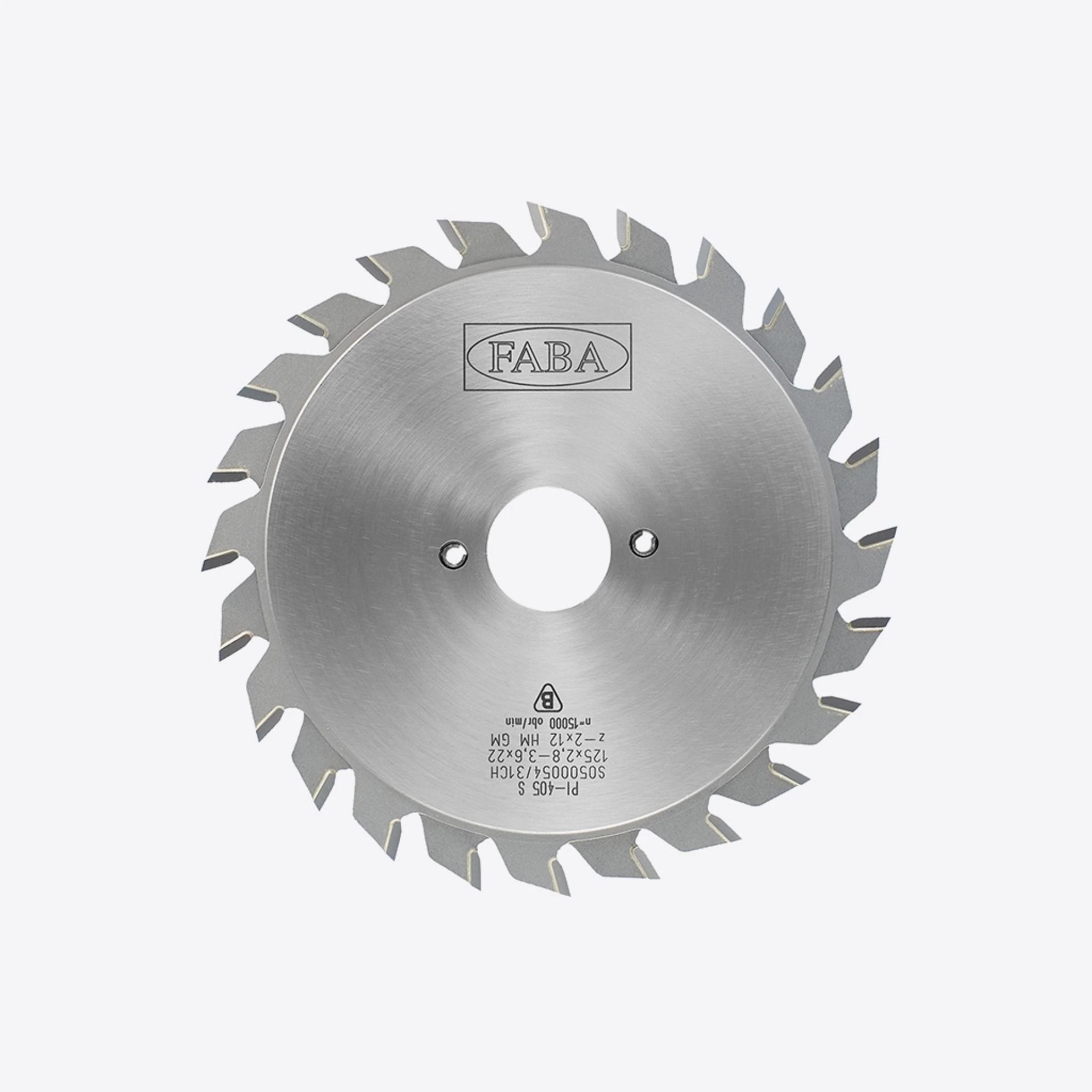
PCD Saw BladesPCD (polycrystalline diamond) saw blades are famous for cutting abrasive materials such as composite panels, fiber cement, and laminates. They are engineered with diamond particles fused to the cutting edge, making them extremely hard and durable. PCD saw blades are also less likely to overheat, allowing for faster cutting speeds and improved performance. These blades are best suited for use on panel saws, beam saws, and CNC routers.
Diamond Saw BladesDiamond saw blades are another blade that uses diamond particles on the cutting edge. They are tough and durable, making them ideal for cutting through hard materials such as stone, concrete, and asphalt. Diamond saw blades come in various sizes and types, including segmented, continuous rim, and turbo blades.
Steel CuttersSteel cutters, or high-speed steel blades, are suitable for cutting soft metals such as aluminum and brass. They are made of high-speed steel and can withstand high temperatures and pressure without losing their sharpness. Steel cutters are also used for wood and plastic, making them a versatile option for DIY enthusiasts and professionals.
Choosing the Right Saw Blade
When choosing a saw blade, you must consider the material you'll be cutting, and the saw you'll be using, and the desired finish. Blades with a higher tooth count are ideal for smooth and precise cuts, while blades with fewer teeth are better suited for rough cutting. It's also essential to consider the blade's thickness, diameter, and kerf width, as these factors will affect the cutting performance and accuracy.
Conclusion
Choosing the right saw blade is crucial for efficient and precise cutting. The above-discussed saw blades are all popular options with unique features and benefits. When selecting a saw blade, you must consider the material you'll be cutting; the saw you'll be using, and the desired finish. Whether you're a DIY enthusiast or a professional woodworker, choosing the right saw blade can make all the difference in the quality of your work.






















Sign in to leave a comment.