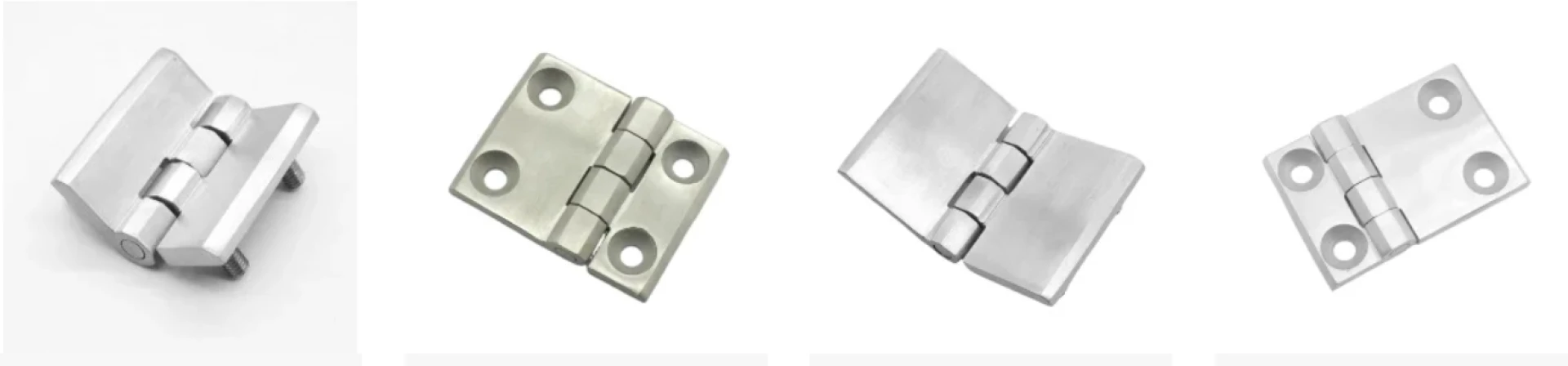

When it comes to industrial hardware, cabinet hinges aren’t the first thing that comes to mind—until they fail. Then suddenly, everyone’s paying attention. A sagging door, misaligned panel, or corroded joint isn’t just an eyesore; it’s a sign of compromised functionality, safety, and operational reliability. In industries where cleanliness, durability, and precision are critical, choosing the right hinge is not a matter of convenience—it's mission-critical.
Enter stainless steel cabinet hinges, the gold standard for tough environments and uncompromising applications.
Why Stainless Steel?
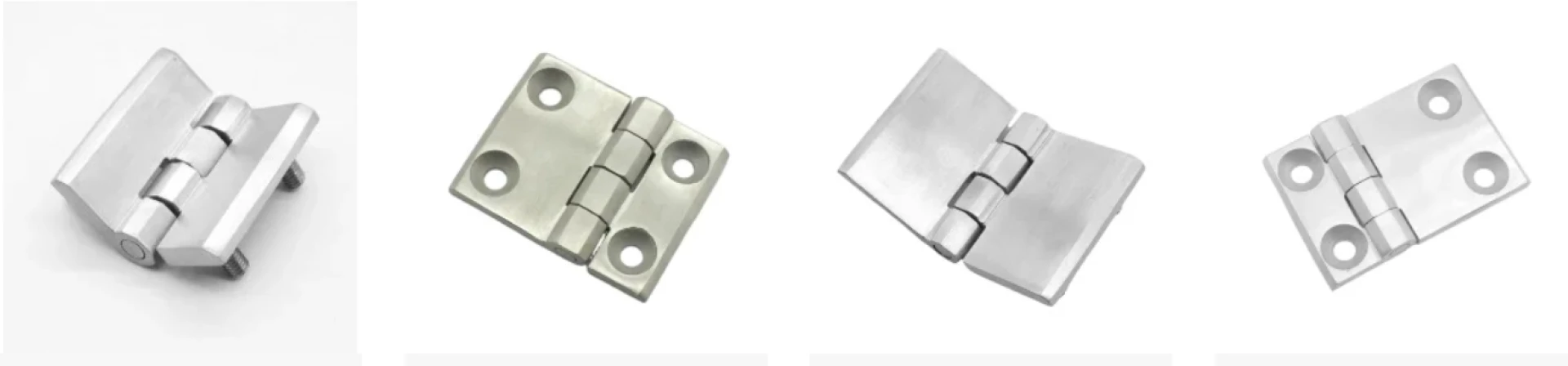
Let’s start with the obvious: stainless steel isn’t just about the shine. While its sleek appearance is definitely a bonus in medical labs, commercial kitchens, and high-end enclosures, it’s what lies beneath the surface that matters most.
The Key Benefits of Stainless Steel Cabinet Hinges:
- Corrosion Resistance: Stainless steel (especially grades like 304 and 316) holds up against moisture, chemicals, and salt air—making it ideal for marine, food service, and outdoor applications.
- Load-Bearing Strength: These hinges support heavier doors and panels without warping or sagging over time.
- Low Maintenance: No rust, no painting, no flaking. Just long-term performance.
- Temperature & Chemical Resistance: Perfect for environments with fluctuating temperatures or exposure to cleaning agents and industrial solvents.
- Aesthetic Compatibility: Matches seamlessly with stainless cabinetry and professional-grade equipment.
So, if your application involves exposure to the elements, frequent cleaning, or anything more intense than a residential pantry, stainless steel hinges are your ticket to longevity.
Types of Stainless Steel Cabinet Hinges: What to Look For
Before clicking “Add to Cart,” let’s take a look at some of the common hinge types you’ll encounter—and when to use them.
1. Butt Hinges
A classic option, ideal for flush-fitting cabinet doors. Simple, sturdy, and widely compatible with both wooden and metal enclosures.
2. Concealed (Euro-Style) Hinges
Used where aesthetics are important—these hinges are hidden inside the cabinet. They offer a clean look with adjustable tension and soft-close options.
3. Continuous (Piano) Hinges
Longer in length, they distribute weight evenly across the entire door. Often used in heavy-duty industrial applications and tall access panels.
4. Offset Hinges
Great for doors that need to swing out wider or bypass surrounding hardware. Common in HVAC units and access hatches.
5. Lift-Off Hinges
Designed for easy removal of doors without tools—ideal for enclosures that require frequent access for maintenance or cleaning.
When shopping for hinges, make sure you’re not just looking at the material. Load rating, mounting style, dimensions, and opening angles all need to match your specific application.
Applications Where Stainless Steel Hinges Are Non-Negotiable
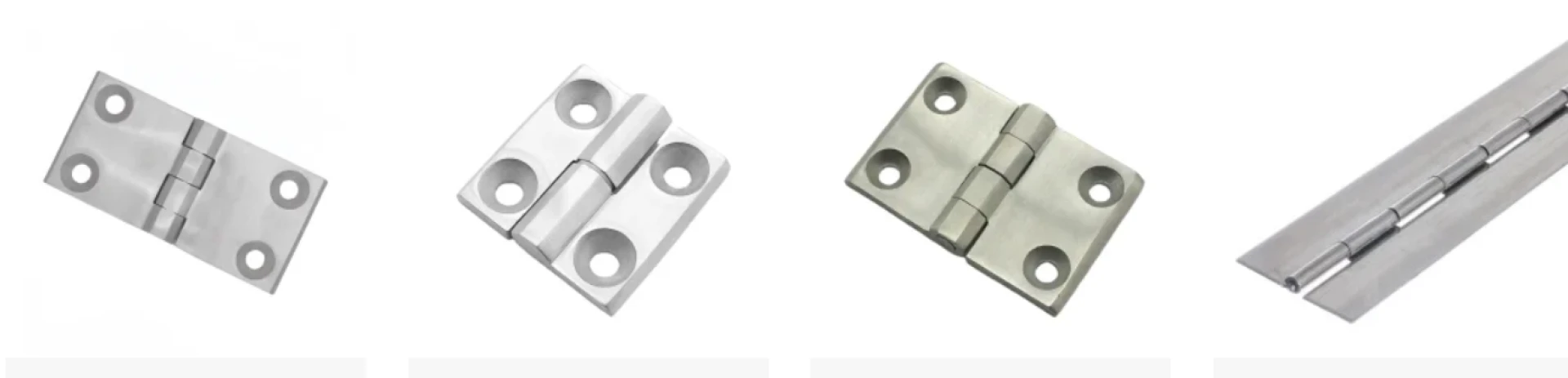
Not all industries require stainless steel, but for those that do, there's no acceptable alternative.
● Food & Beverage Manufacturing
Strict hygiene standards and frequent washdowns mean any other material would rust or degrade over time.
● Marine & Coastal Installations
Salt-laden air is brutal on most metals. Stainless steel, especially marine-grade 316, stands up to the challenge.
● Medical Equipment
Autoclaves, surgical cabinets, and lab enclosures require sterilizable hardware—stainless steel makes the cut.
● Outdoor Electrical Enclosures
From power stations to telecom junctions, exposure to rain, wind, and UV rays makes corrosion resistance essential.
● Chemical Processing Plants
Stainless steel’s resistance to acids and solvents helps prevent premature failure in harsh industrial settings.
The Hidden Costs of Cheap Hinges
Sure, you might save a few pounds upfront by choosing budget-grade hardware. But let’s talk about the real price:
- Downtime from failed doors or misaligned panels
- Increased maintenance or premature replacements
- Equipment damage from sagging or collapsing enclosures
- Failed hygiene audits or safety inspections
The moral of the story? The right hinge is more than just a component—it’s a safeguard against disruption.
Choosing the Right Supplier
Now that you know what to look for in the hinges themselves, it's just as important to consider where you’re getting them from.
A quality supplier should offer:
- Grade-specific stainless steel options (304, 316)
- Accurate technical specifications and CAD files
- Bulk pricing and fast delivery for ongoing projects
- Customer support that actually knows what a torque rating is
You shouldn’t have to dig through 300 mismatched listings or gamble on overseas shipping just to get your project moving.
Final Word: Don’t Cut Corners on Cabinet Hinges
The humble hinge might not be the flashiest part of your operation, but it’s one of the most important. From preventing accidents to ensuring the longevity of high-value equipment, stainless steel cabinet hinges deliver where it counts—under pressure, over time, and in the toughest conditions.
If you're sourcing hinges for industrial-grade applications, choose products that meet the demands of your environment, and more importantly, choose a supplier that stands behind them.
For a wide selection of corrosion-resistant, precision-engineered stainless steel cabinet hinges, trust Factory Yard to deliver performance, durability, and service you can count on.






























Sign in to leave a comment.