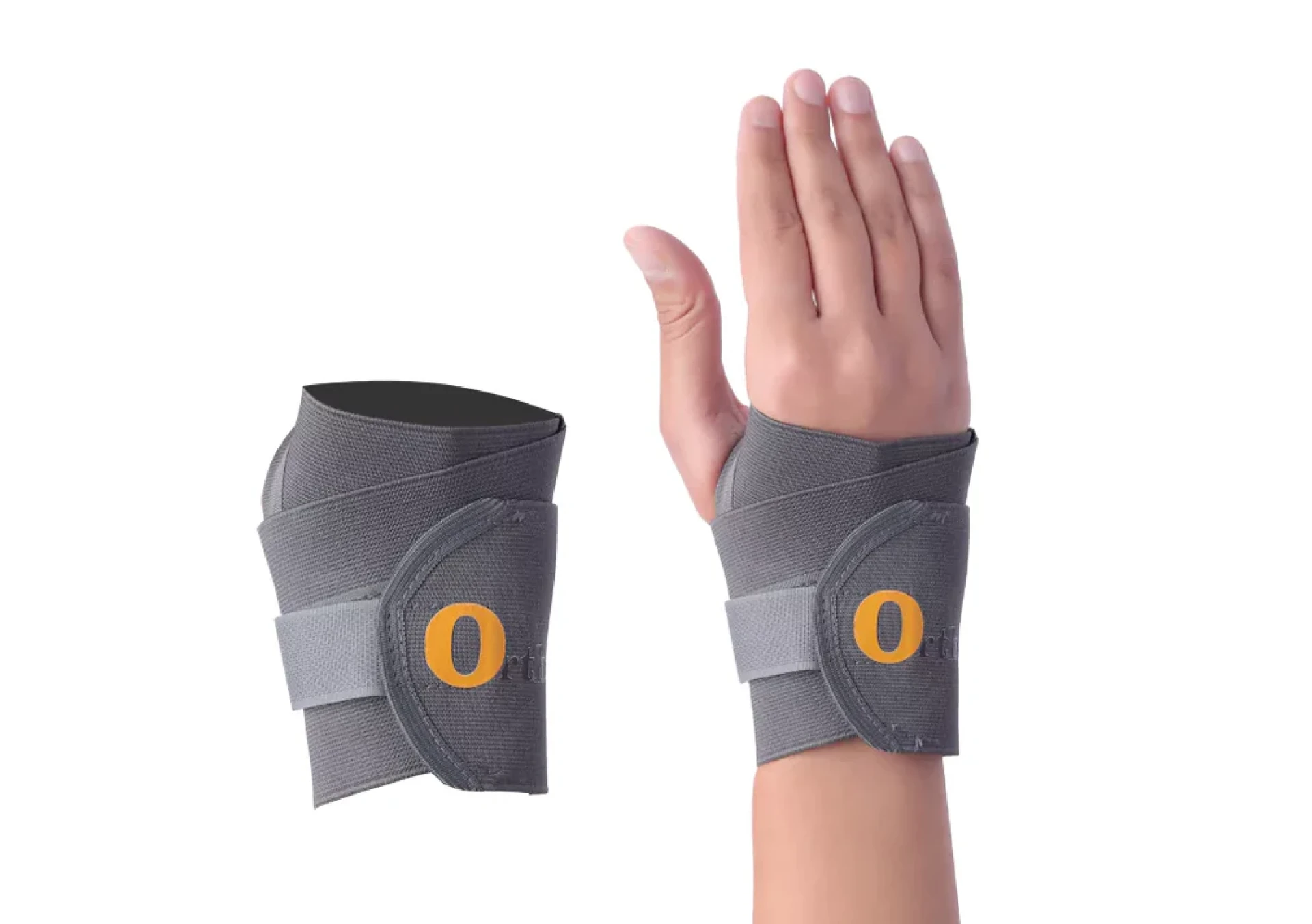

When thumb pain starts interfering with your daily routine — from gripping objects to typing on your phone — it’s a sign your thumb may need extra support. A thumb support brace can make a big difference by providing stability, reducing pain, and promoting recovery from common thumb injuries.
Understanding the Need for Thumb Support
Your thumb plays a vital role in almost every hand movement. Overuse, strain, or sudden injuries can lead to pain, swelling, or stiffness. These issues are common among athletes, office workers, and people who perform repetitive hand tasks. Using a thumb support helps immobilize the affected joint, allowing tissues and ligaments to heal properly while maintaining comfort.
Types of Thumb Support Braces
There isn’t a one-size-fits-all solution. The right brace depends on the severity of your pain and the cause behind it.
1. Soft Elastic Braces: Ideal for mild sprains or soreness, these braces provide gentle compression and flexibility. They’re great for day-to-day activities that require light thumb movement.
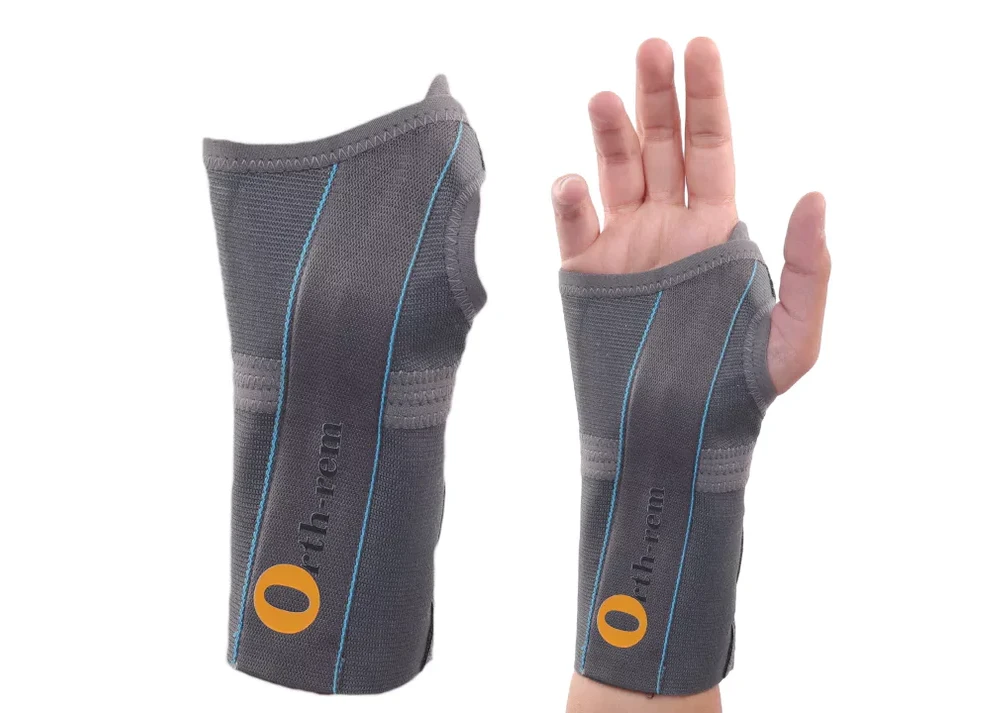
2. Rigid Stabilizing Braces: Designed for more serious thumb injuries or after surgery, rigid braces restrict movement completely. They offer maximum stability and protection during healing.
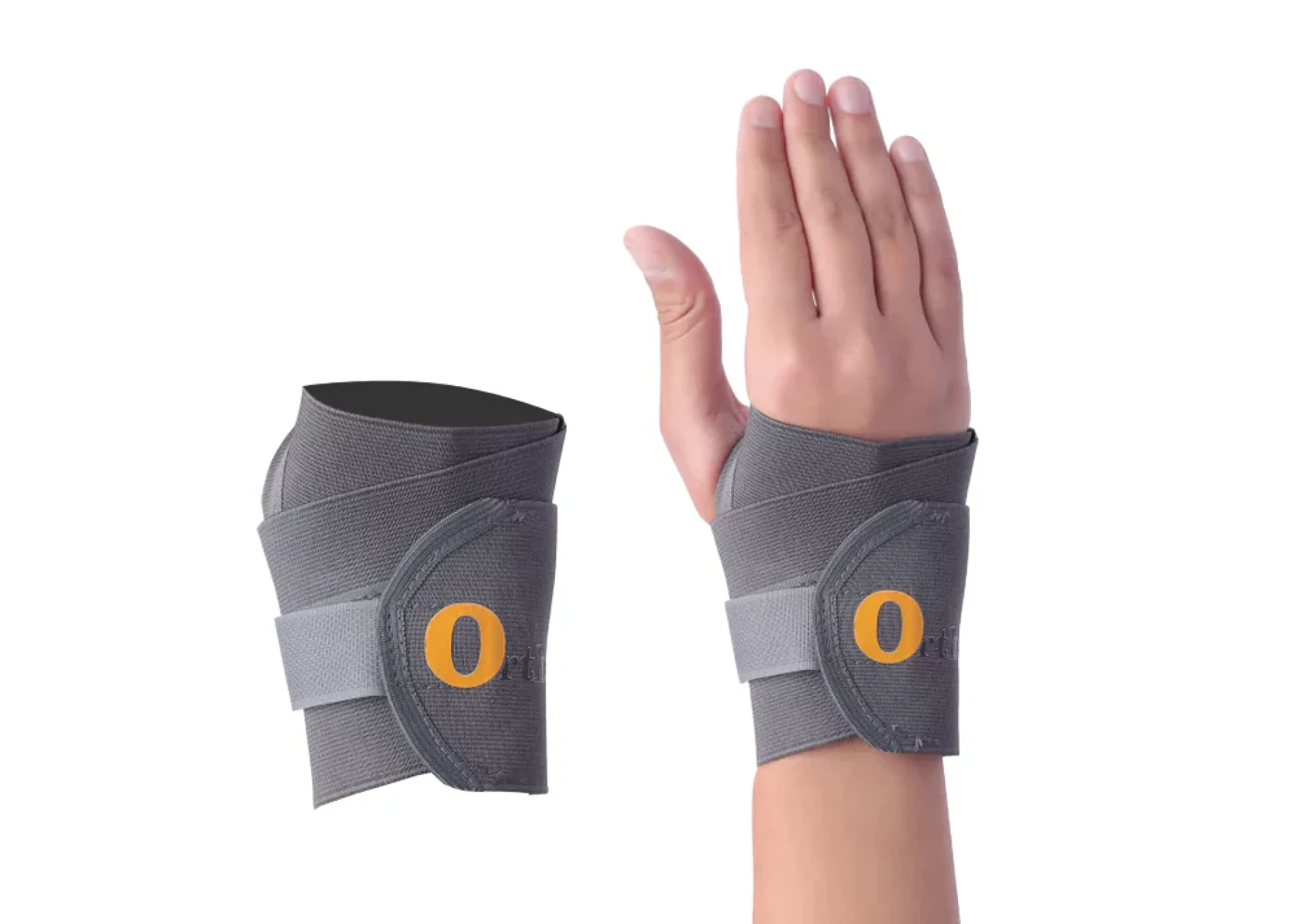
3. Adjustable Neoprene Braces: These braces combine comfort and support, with adjustable straps that let you control compression levels based on your needs.
How to Choose the Right Thumb Brace
When selecting the perfect brace, consider these key factors:
- Level of Support Needed: Mild discomfort can often be managed with a soft elastic brace, while fractures or ligament tears require rigid stabilization.
- Comfort and Fit: Choose a breathable material that doesn’t cause sweating or irritation during prolonged use. The brace should fit snugly but not cut off circulation.
- Ease of Use: A good design allows you to put it on and remove it easily, even if you’re dealing with limited hand mobility.
- Activity Type: If you’re an athlete or active individual, look for a brace that supports movement without limiting performance.
When to Wear a Thumb Support Brace
You should wear the brace when performing activities that strain your thumb — such as typing, lifting, or playing sports. For chronic pain or recovery from an injury, your doctor may recommend wearing it for longer durations or even during rest.
Additional Tips for Thumb Pain Relief
- Apply ice packs to reduce swelling.
- Rest your thumb and avoid repetitive motions.
- Perform light stretching once the pain subsides to restore flexibility.
- Seek medical advice if the pain persists for more than a week.
Final Thoughts
Choosing the right thumb support brace is an important step in managing pain and ensuring proper recovery. Whether it’s a minor sprain or a long-term condition, the right brace provides both comfort and stability — allowing you to get back to your routine with confidence.





























Sign in to leave a comment.