When a vehicle becomes immobile, drivers often assume towing and recovery mean the same thing. In reality, there are important differences between towing vs recovery, and choosing the wrong service can lead to delays, higher costs, or even vehicle damage. Understanding these differences helps you contact the right towing service provider and resolve the situation efficiently.
At its core, towing is designed for vehicles that are already accessible and can be transported without complex maneuvering. Recovery, on the other hand, involves safely extracting a vehicle from challenging or hazardous conditions before it can be moved. Knowing which service you need depends on where your vehicle is located and the condition it’s in.
What Is a Towing Service?
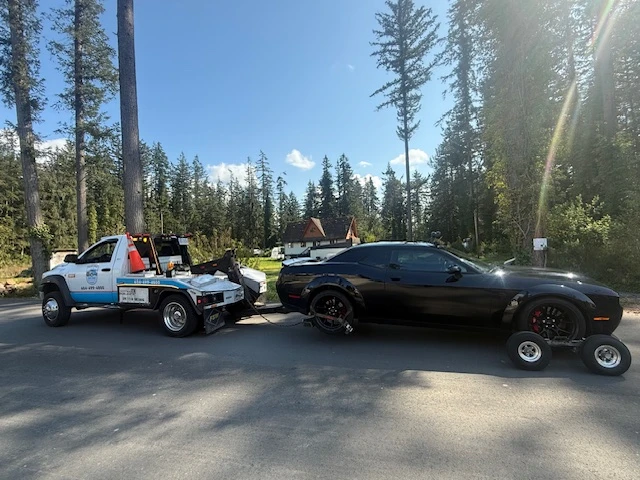
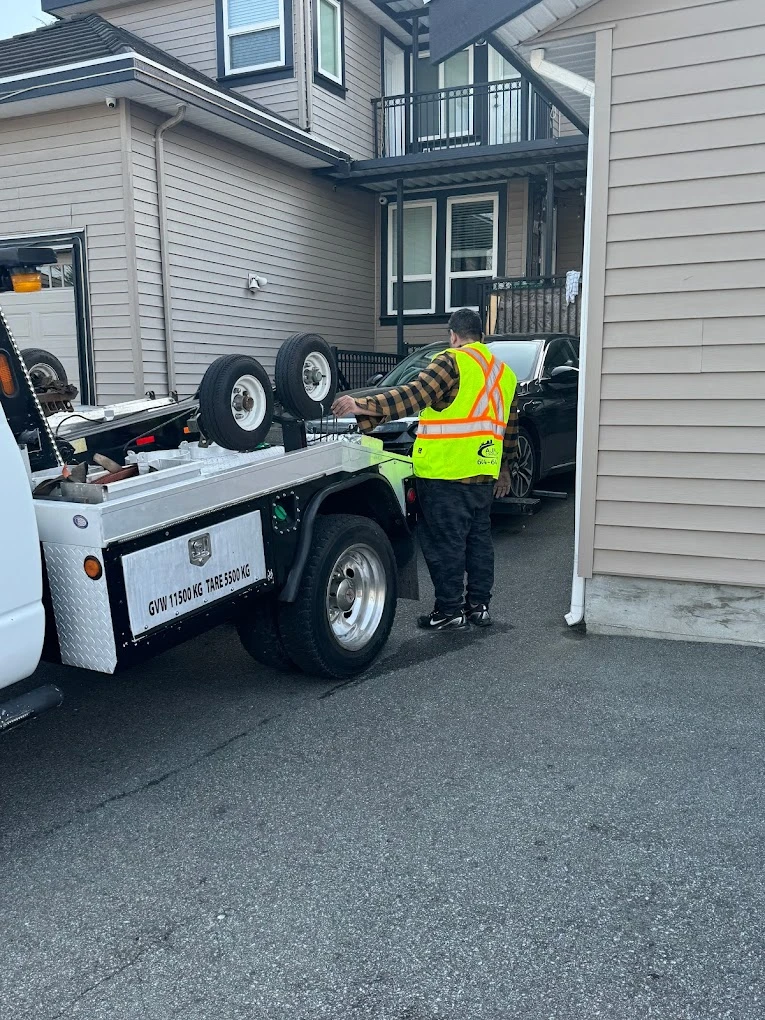
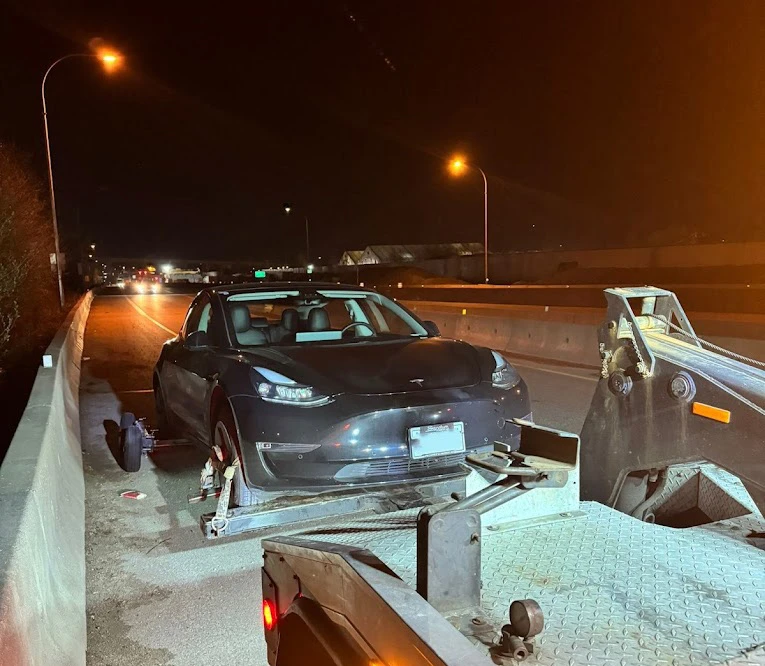
Towing is typically used when a vehicle is on a road, parking lot, or driveway and can be safely attached to a tow truck. Common situations include mechanical breakdowns, flat tires, dead batteries, or vehicles that are legally parked but cannot be driven. In these cases, a towing service provider can quickly transport the vehicle to a repair shop or chosen destination.
Towing usually involves equipment such as flatbeds or wheel-lift systems. The process is straightforward and focuses on efficient transportation rather than extraction.
What Is Vehicle Recovery?
Recovery is required when a vehicle is stuck or positioned in a way that makes standard towing unsafe or impossible. This could include vehicles that have gone off-road, slid into ditches, been involved in serious accidents, or become trapped in mud, snow, or uneven terrain. Recovery operations often require specialized tools, winches, and advanced techniques to stabilize and safely remove the vehicle.
Unlike basic towing, recovery prioritizes safety, precision, and damage prevention during extraction.
Key Differences Between Towing vs Recovery
Here’s a clear comparison to help drivers decide:
- Vehicle Position:
Towing is used when the vehicle is easily accessible, while recovery is needed when it’s stuck or off the roadway. - Equipment Required:
Towing relies on standard tow trucks, whereas recovery may require winches, cranes, and heavy-duty stabilization tools. - Complexity:
Towing is generally quick and simple; recovery involves careful planning and technical expertise. - Cost Factors:
Recovery services typically cost more due to time, labor, and specialized equipment involved.
Understanding these differences helps avoid requesting the wrong service and facing unnecessary delays.
Why Choosing the Right Towing Service Provider Matters
A professional towing service provider can quickly assess your situation and recommend whether towing or recovery is appropriate. Experienced operators are trained to evaluate terrain, vehicle condition, and safety risks before proceeding. This expertise reduces the chance of additional damage and ensures compliance with safety and legal standards.
Many reputable providers offer both towing and recovery services, allowing them to handle everything from simple breakdowns to complex accident recoveries. This versatility is especially valuable in emergencies where conditions may change rapidly.
Final Thoughts
Knowing the difference between towing vs recovery empowers drivers to make informed decisions during stressful roadside situations. Towing is ideal for straightforward transport needs, while recovery is essential for vehicles in difficult or hazardous positions. By contacting a reliable towing service provider, you ensure your vehicle receives the right solution, delivered safely and efficiently, when it matters most.




















Sign in to leave a comment.