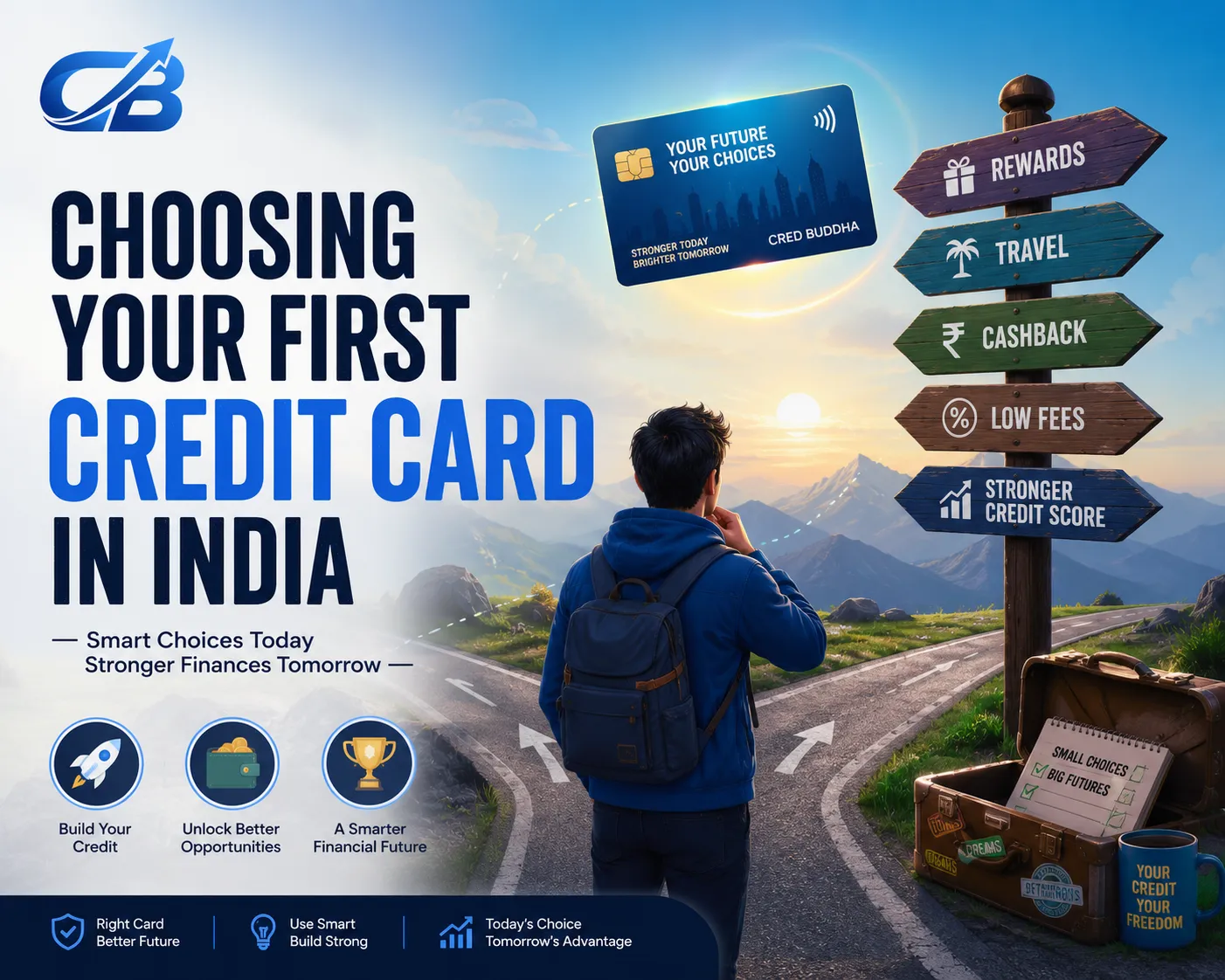

Your first credit card does more than let you buy things on credit it's the single fastest way to start building the credit history that every future loan application will depend on. Choosing it well matters more than most beginners realize.
Start with what you actually qualify for
If you have no credit history at all, premium travel or rewards cards are usually out of reach regardless of your salary issuers simply don't have data to underwrite you against. Realistic starting points for most first-time applicants:
- Secured credit cards issued against a fixed deposit; these are the easiest approval path for genuinely new-to-credit applicants and still build a full credit history.
- Entry-level cards from your salary-account bank are generally more willing to issue a first card to someone who already holds a salary account with them.
- Co-branded starter cards often easier to qualify for than a bank's general-purpose cards, though usually with a narrower reward structure.
What actually matters in a first card (hint: not the rewards)
Beginners tend to shop for a first card the way they'd shop for a second or third card comparing cashback percentages and lounge access. That's the wrong comparison at this stage. What actually matters:
- Annual fee vs. waiver conditions: a card that waives its fee after a spend threshold is usually a better fit than a "no fee ever" card with a worse structure elsewhere.
- Credit limit relative to your income: a lower limit isn't a downside for your first card; it makes it easier to keep utilisation low, which is one of the biggest levers on your credit score.
- Reporting to credit bureaus: nearly all mainstream Indian issuers report to CIBIL and other bureaus, but confirm this before applying anywhere less established.
The habit that matters more than the card itself
Whichever card you choose, the single highest-impact habit is keeping your utilisation under 30% of your limit and paying the full statement balance, not just the minimum due. This is what actually builds your score the card itself is just the vehicle.
Before you apply anywhere, it's worth checking your credit score first even a thin file produces a starting number, and knowing it tells you realistically which cards are worth applying for versus which will likely bounce.
Beyond the first card
Once you've built six to twelve months of on-time payments, your options widen: better cards meaningfully, and often better personal loan offers too, since a demonstrated repayment history is exactly what unlocks lower rates on future borrowing.
Card features, eligibility, and fees vary by issuer and are subject to individual assessment. CredBuddha partners only with RBI-regulated banks and NBFCs.
— Ethan Williems
























Sign in to leave a comment.