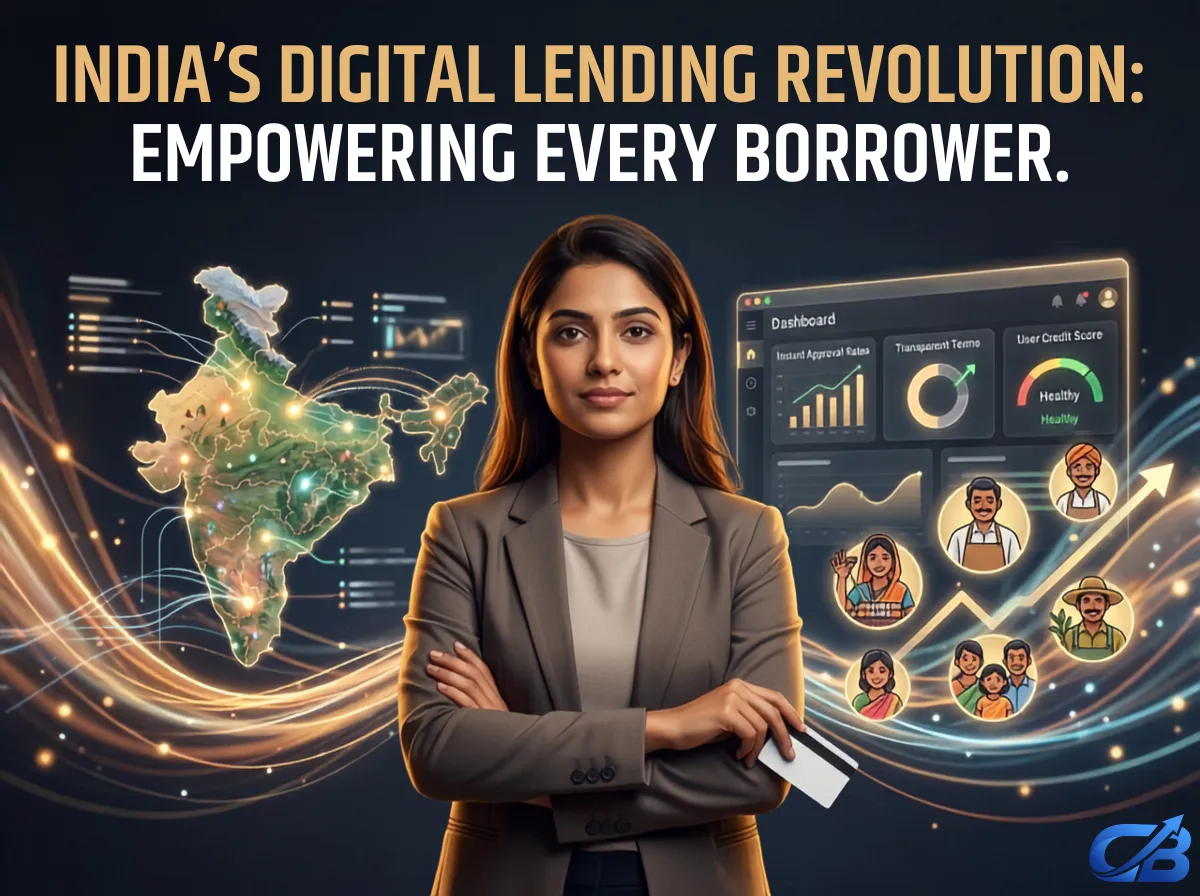

A decade ago, getting a loan in India meant long queues, mountains of paperwork, and weeks of waiting for approval. Today, a salaried professional can apply for a personal loan from their phone during a lunch break and have the money in their account before dinner. This shift isn't just convenient it's reshaping how an entire generation thinks about credit.
The Rise of Instant, App-Based Lending
Digital lending platforms have removed almost every friction point that used to define traditional banking. No more physical branch visits, no more handing over a stack of photocopied documents, no more waiting on a loan officer's schedule. Most digital lenders now use Aadhaar-based e-KYC, bank statement analysis, and alternative data (like UPI transaction history) to assess creditworthiness in minutes rather than weeks.
This has been especially significant for first-time borrowers and gig workers people who often don't have a long credit history but do have a steady digital financial footprint. "apply for a digital loan
Why Your CIBIL Score Matters More Than Ever
Even though digital lenders use a wider data set than traditional banks, your credit score is still the single biggest factor in determining loan approval, interest rate, and credit limit. A score above 750 generally puts you in a strong position to negotiate better rates, while anything below 650 can mean higher interest or outright rejection.
The good news is that digital tools have made it easier than ever to track this. Many platforms now offer free, real-time credit score checks instead of the old once-a-year report pull. check your CIBIL score for free
If you're planning to apply for a loan in the next few months, checking your score early gives you time to fix errors, pay down existing dues, or simply understand what rate you're likely to qualify for.
Personal Loans Are Getting Smarter, Not Just Faster
Speed gets the headlines, but the bigger shift is in personalization. Lenders are increasingly using risk-based pricing meaning two people borrowing the same amount might get very different interest rates based on their financial behavior, not just their income bracket. This is a departure from the one-size-fits-all rates of traditional banks.
For borrowers, this means it actually pays to shop around. Comparing offers across two or three digital lenders before committing can mean a meaningfully lower EMI over the loan tenure.
The Trust Question: Is Digital Lending Safe?
With growth has come scrutiny. The RBI has tightened regulations around digital lending apps in recent years, cracking down on unlicensed players and predatory practices. For borrowers, the practical takeaway is simple: stick to RBI-registered NBFCs or bank-backed platforms, read the fine print on processing fees and prepayment charges, and avoid any app that pressures you into borrowing more than you need.
Done right, digital lending isn't riskier than traditional borrowing it's often more transparent, since everything from interest rate to repayment schedule is laid out clearly in the app before you accept.
What This Means for Borrowers Going Forward
Digital lending has fundamentally changed the relationship between Indian borrowers and credit. It's no longer just about whether you qualify for a loan it's about understanding your own financial data well enough to negotiate the best possible terms. As more lenders compete for borrowers on speed, transparency, and pricing, the people who benefit most will be those who actively track their credit health and compare options rather than accepting the first offer that lands in their inbox.
Whether you're applying for your first personal loan or refinancing an existing one, the tools to make a smarter borrowing decision are now sitting in your pocket. The only question is whether you're using them.
























Sign in to leave a comment.