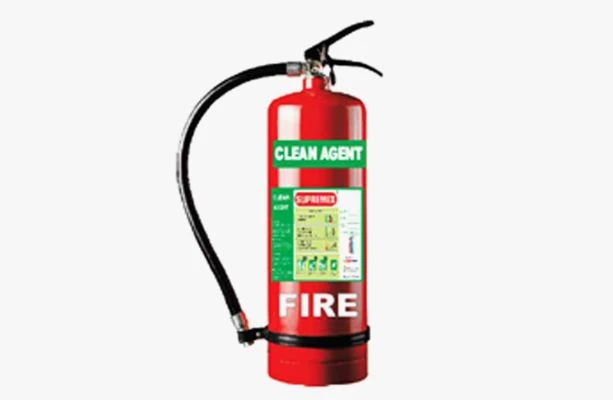
Fire safety is a critical concern for homes, offices, and industrial spaces. Among the many fire protection tools, clean agent extinguishers have become increasingly popular. These extinguishers provide effective fire suppression without causing damage to equipment or leaving residues. Understanding the types of clean agent extinguishers and how they work can help you make the right choice for your safety needs.
What Is a Clean Agent Extinguisher?
A clean agent extinguisher is a fire suppression device that uses specialized chemicals to extinguish fires quickly. Unlike water or foam-based extinguishers, clean agents leave no residue, making them ideal for protecting sensitive equipment, electrical devices, and valuable assets. These extinguishers work by interrupting the chemical reaction of fire and removing heat or oxygen from the flames.
Clean agent extinguishers are widely used in places like data centers, laboratories, telecom rooms, and offices where traditional extinguishing methods could cause damage. They are available in portable and fixed systems, offering flexibility depending on the area and type of fire risk.
Types of Clean Agent Extinguishers
Clean agent extinguishers come in various types, each designed for specific fire scenarios. The most common types include:
1. Halon Extinguishers
Halon extinguishers were one of the first types of clean agents used in fire safety. They are effective in suppressing fires by chemically interrupting the combustion process. Halon is especially useful for fires involving flammable liquids and electrical equipment. However, due to environmental concerns, the use of Halon has been largely phased out in many countries.
2. HFC-Based Extinguishers
Hydrofluorocarbon (HFC) extinguishers are modern alternatives to Halon. They are environmentally friendly and safe for use in occupied spaces. HFC agents work by absorbing heat and reducing oxygen, effectively stopping fires without harming sensitive equipment. These extinguishers are suitable for offices, computer rooms, and industrial facilities.
3. FK-5-1-12 Extinguishers
FK-5-1-12 is a next-generation clean agent known for its low environmental impact and high fire suppression efficiency. It works by removing heat from the fire and quickly interrupting the combustion process. FK-5-1-12 extinguishers are ideal for areas with electronic equipment, libraries, and archival storage where safety and cleanliness are both priorities.
4. CO₂ Clean Agent Extinguishers
Carbon dioxide (CO₂) extinguishers are considered clean agents because they leave no residue after use. CO₂ works by displacing oxygen around the fire, suffocating it and preventing further combustion. These extinguishers are commonly used in electrical rooms, laboratories, and industrial settings.
How Clean Agent Extinguishers Work
Clean agent extinguishers operate differently from water or foam extinguishers. Their effectiveness comes from three main actions:
- Heat Absorption: Clean agents absorb heat from the fire, reducing the temperature below the ignition point.
- Oxygen Displacement: Certain clean agents, like CO₂, reduce the oxygen available for combustion, suffocating the fire.
- Chemical Interruption: Some agents, such as Halon or FK-5-1-12, interfere with the chemical reactions that sustain the fire, stopping it rapidly.
Because of these mechanisms, clean agent extinguishers are particularly efficient in confined spaces and areas with sensitive equipment. They prevent fire from spreading while avoiding damage that could occur with traditional methods.
Advantages of Clean Agent Extinguishers
Clean agent extinguishers offer multiple benefits over traditional water or powder-based extinguishers:
- Non-Damaging: They do not leave residues, making them safe for electronics, documents, and machinery.
- Fast Acting: Clean agents suppress fires quickly, minimizing risk and damage.
- Safe for Occupied Spaces: Modern clean agents are safe for humans when used according to guidelines.
- Versatile Applications: They can be used in offices, industrial plants, laboratories, and data centers.
These advantages make clean agent extinguishers an excellent choice for environments where equipment and assets must remain intact during fire suppression.
Where to Use Clean Agent Extinguishers
The use of clean agent extinguishers is particularly recommended in areas where fire risks exist but water damage must be avoided. Typical locations include:
- Data Centers and Server Rooms: Protecting sensitive electronics is critical in these spaces.
- Laboratories and Research Facilities: Chemical and electrical fires can be controlled without contaminating experiments.
- Telecommunication Rooms: Ensures equipment continues to function post-incident.
- Archives and Libraries: Valuable documents and rare books remain unharmed during fire suppression.
By choosing the right clean agent extinguisher type for your environment, you can ensure both safety and preservation of property.
Clean Agent Portable Fire Extinguisher
A Clean Agent Portable Fire Extinguisher is a versatile and easy-to-use option for both residential and commercial use. Portable extinguishers allow immediate response to small fires before they escalate. They are lightweight, easy to operate, and can be moved to the source of the fire quickly.
To use a clean agent portable fire extinguisher effectively, follow the PASS method:
- Pull the safety pin.
- Aim the nozzle at the base of the fire.
- Squeeze the handle to release the agent.
- Sweep the nozzle from side to side until the fire is completely out.
Having a clean agent portable fire extinguisher on hand in strategic locations like offices, kitchens, and server rooms can significantly reduce fire-related risks.
Maintenance and Safety Tips
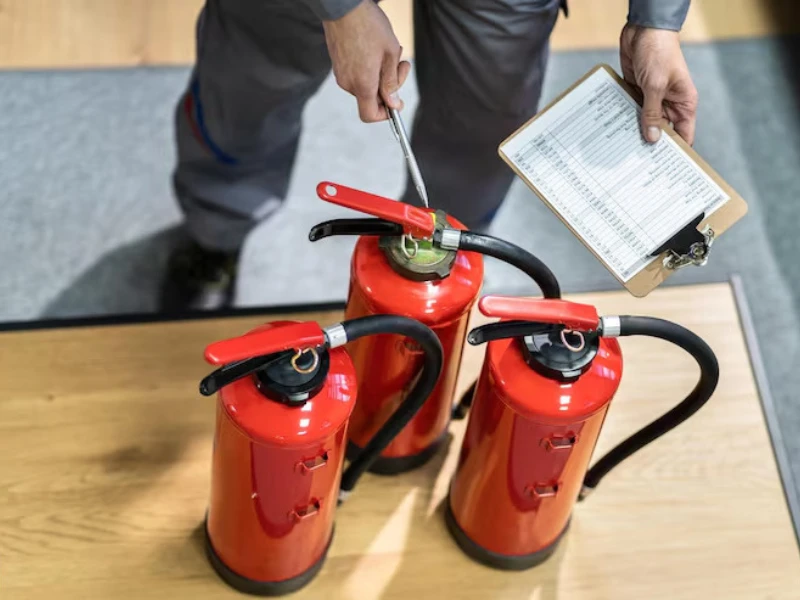
Even the best clean agent extinguisher is only effective if it is properly maintained. Key maintenance tips include:
- Regular Inspections: Check the pressure gauge and overall condition monthly.
- Professional Servicing: Schedule annual servicing by certified professionals to ensure reliability.
- Training: Ensure all employees or family members know how to operate the extinguisher correctly.
- Proper Placement: Keep extinguishers in visible, accessible locations to allow quick response during emergencies.
Following these tips ensures that your clean agent extinguisher will function effectively when needed.
Conclusion
Clean agent extinguishers are an essential tool for fire safety in sensitive environments. By understanding the different types and their mechanisms, you can choose the most suitable extinguisher for your space. From Halon and HFC agents to CO₂ and FK-5-1-12, each type offers unique benefits in terms of speed, efficiency, and safety.
Incorporating a Clean Agent Portable Fire Extinguisher into your safety plan allows immediate action against small fires, preventing escalation and minimizing damage. Regular maintenance, proper placement, and training are crucial to maximizing their effectiveness.























Sign in to leave a comment.