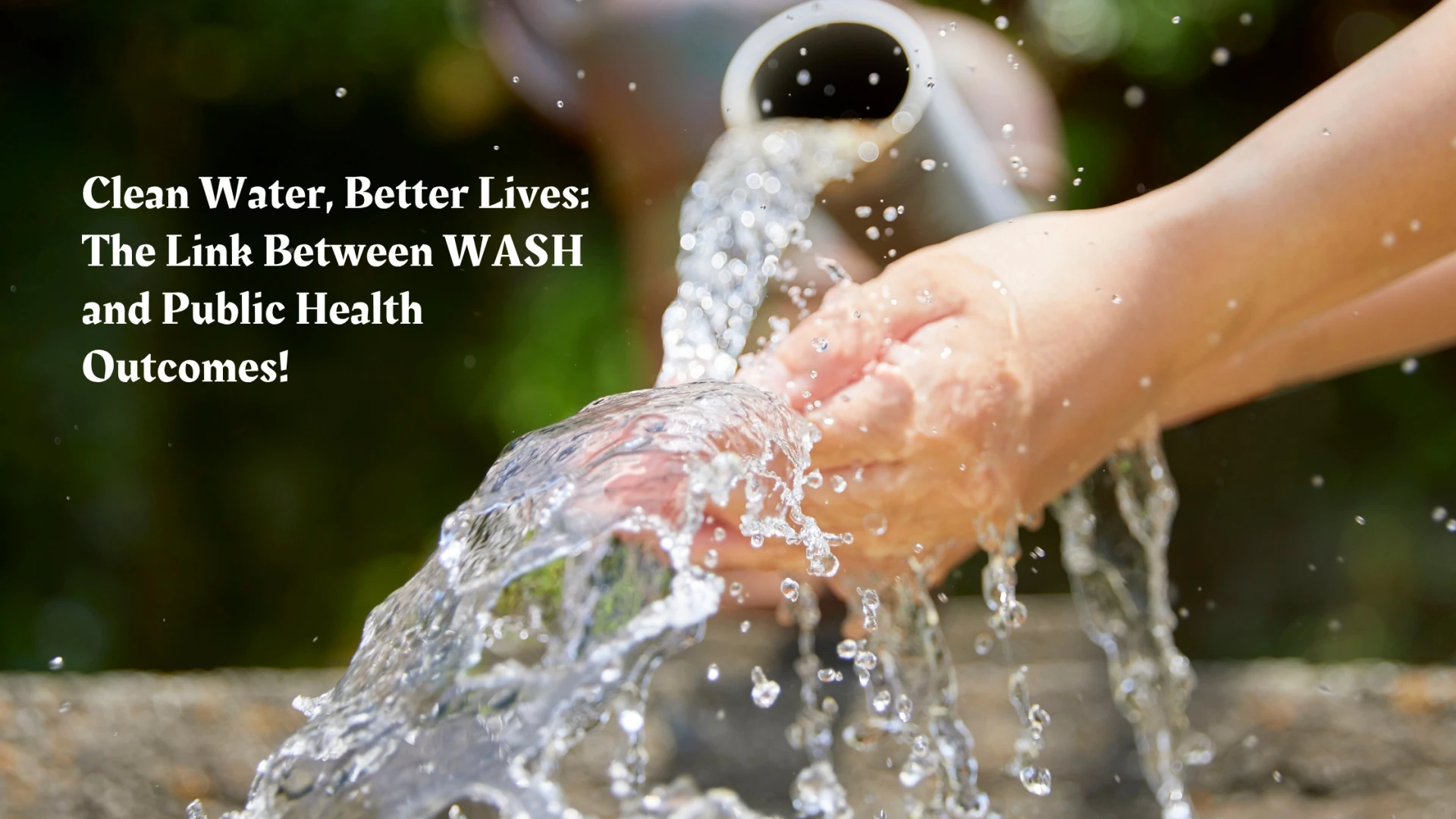

A healthier life often begins with something we tend to overlook—a safe source of water, a clean environment, and the simple act of washing hands.
Water, sanitation, and hygiene (WASH) are at the heart of public health. Yet, for many communities, especially those in vulnerable settings, access to these essentials remains a daily challenge. The absence of safe WASH practices not only affects individual health but also weakens entire communities.
When clean water flows and sanitation systems function effectively, the transformation is visible—fewer illnesses, stronger families, and more resilient communities.
What Is WASH and Why It Matters
WASH stands for Water, Sanitation, and Hygiene, three interconnected elements that form the backbone of disease prevention.
- Safe water access reduces exposure to harmful pathogens
- Improved sanitation prevents environmental contamination
- Hygiene practices like handwashing interrupt the spread of infections
Together, these practices create a foundation where health can flourish, even before medical intervention is needed.
The Invisible Connection: WASH and Public Health Outcomes
The impact of WASH on public health is both immediate and long-term.
1. Preventing Everyday Illnesses
Contaminated water and poor sanitation are leading causes of diseases such as diarrhea and infections. Access to clean water significantly lowers these risks.
2. Supporting Child Health and Development
Children are especially vulnerable to unsafe environments. Proper hygiene and sanitation reduce infections, enabling better nutrition absorption and healthier growth.
3. Enhancing Dignity and Safety
Access to safe sanitation facilities is not just about health—it’s about dignity, particularly for women and marginalized groups who face safety risks without proper infrastructure.
4. Reducing Healthcare Burden
When communities adopt WASH practices, the pressure on healthcare systems decreases, allowing resources to be used more effectively.
Community-Led Approaches: The Key to Sustainable Change
Infrastructure alone cannot solve WASH challenges. True impact comes when communities become active participants.
Behavior Change Creates Lasting Impact
Awareness and education encourage consistent hygiene practices, turning knowledge into daily habits.
Local Solutions Work Best
Communities understand their challenges better than anyone else. Locally driven solutions are more practical, accepted, and sustainable.
Inclusion Strengthens Outcomes
Equitable access ensures that even the most marginalized populations benefit, creating healthier ecosystems for everyone.
Barriers That Still Exist
Despite progress, achieving universal WASH access remains a challenge:
- Limited access in underserved regions
- Lack of awareness around hygiene practices
- Poor maintenance of sanitation infrastructure
- Environmental and climate-related pressures on water resources
Addressing these barriers requires a combined effort across systems, policies, and communities.
Integrating WASH into Broader Public Health Systems
For long-term impact, WASH must be embedded within public health strategies.
Strengthening Primary Health Systems
Healthcare facilities must have reliable water and sanitation services to deliver safe and effective care.
Investing in Sustainable Solutions
Durable, climate-resilient infrastructure ensures long-term accessibility.
Encouraging Community Ownership
When communities take charge, solutions are maintained, adapted, and sustained over time.
Conclusion: Building Healthier Futures Through WASH
Access to clean water, sanitation, and hygiene is not just a development goal—it is a fundamental human necessity.
By strengthening WASH systems and empowering communities, it is possible to create lasting improvements in public health outcomes and quality of life.




























Sign in to leave a comment.