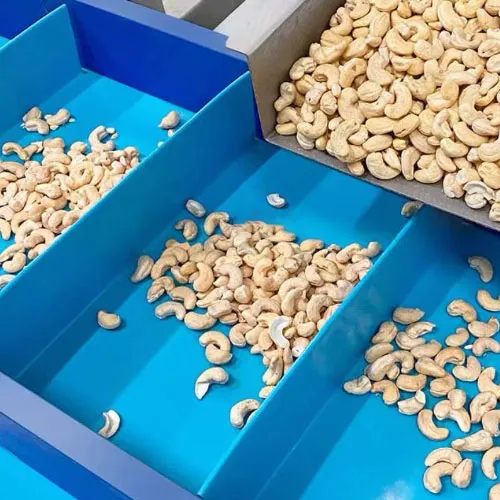

Across today’s diverse industries—from mining and manufacturing to packaging, recycling, and agriculture—conveyor technology underpins productivity, safety, and profitability. Among the vast array of belt options, the Cleated Conveyor Belt is uniquely engineered to tackle one of the oldest and most persistent material handling challenges: efficiently moving goods on inclines, declines, or in scenarios where rolling, sliding, or product fallback must be prevented.
A cleated conveyor belt, with its strategically positioned raised sections (cleats, ribs, or flights), is the solution of choice wherever product segregation, secure transport, or steady flow is necessary. These belts are indispensable for moving bulk materials such as grains, aggregates, powders, ore, packaged items, and even finished goods that may otherwise slide or tumble during conveyance.
However, despite their robust design, cleated conveyor belts are not immune to the stresses of daily operation. Constant friction, heavy loads, improper tensioning, misalignment, carry-back, and exposure to harsh materials can all conspire to limit the belt’s effectiveness and lifespan. Without a proactive and well-informed maintenance routine, the risk of unexpected breakdowns, reduced throughput, escalating repair costs, and even safety incidents grows significantly.
1. What Is a Cleated Conveyor Belt?
A Cleated Conveyor Belt is a type of conveyor belt featuring raised cleats or flights, typically made of rubber, PVC, or thermoplastic materials. These cleats are spaced at regular intervals across the belt and vary in profile, height, and spacing depending on the application. The purpose is simple: to control and stabilize material movement on steep angles, facilitate product separation, and minimize fallback or roll-back of items—especially on inclines, declines, or high-speed processes.
2. Key Benefits & Core Applications of Cleated Conveyor Belts
Benefits
- Efficient Inclined/Declined Conveyance: Cleats prevent rollback on slopes, eliminating material waste and improving throughput.
- Enhanced Product Separation: Useful for sorting, counting, or batching items.
- Customizable Profiles: Tall, short, straight, angled, or sidewall cleats tailor-made for your product and process.
- Reduced Carry-back: Cleats can help clear residual material at discharge, keeping belts cleaner.
Applications
- Mining and aggregates (ore, gravel, sand)
- Grain, flour, and food processing plants
- Packaging and electronics industries
- Recycling facilities (moving plastic, paper, scrap)
- Agricultural conveyors (fruits, vegetables, seeds)
- Bulk handling from bins, hoppers, and silos
3. What Factors Most Impact Cleated Conveyor Belt Life?
A cleated conveyor belt is built tough, but its service life depends on:
- Load, speed, and duty cycle
- Type, size, and abrasiveness of conveyed materials
- Cleat material and attachment method (vulcanized, bolted, molded)
- Quality of installation: tensioning, tracking, and cleat engagement
- Operating environment: dust, chemicals, humidity, or temperature extremes
- Cleaning methods used (manual, mechanical scrapers, or washdown)
4. Preventive Maintenance: The Foundation for Long Service Life
Routine, proactive maintenance keeps your cleated conveyor belt running smoothly and reliably. Benefits include:
- Less downtime and fewer surprise breakdowns
- Lower replacement and repair costs
- Product quality protection through reliable transport
- Safer operating conditions for staff
5. Setting Up Effective Inspection Routines
Frequency
- Daily: Quick walk-through visual checks.
- Weekly: Surface, cleat, and edge inspection.
- Monthly: Detailed pulley, roller, and belt tracking assessment.
Inspection Points
- Cleats: Look for cuts, tears, missing segments, or looseness.
- Belt: Check for stretching, fraying, or visible wear.
- Edges: Look for signs of misalignment or contact with frames.
- Joints and splices: Listen for noise or visible separation.
- Tension: Confirm with a calibrated gauge for your specific belt and load.
Keep inspection records and photograph issues when possible for tracking changes over time.
6. Cleaning Protocols for Cleated Conveyor Belts
- Manual scraping or brushing (with soft tools) is ideal for sticky or lodged material between cleats.
- For wet washdown lines, use low-pressure water and mild detergents, and dry thoroughly.
- Avoid harsh solvents, steel brushes, or overly aggressive cleaning, which could damage cleats or lead to adhesion failure.
- Regularly clean under the belt return path to prevent debris build-up.
7. Correct Tensioning & Alignment Techniques
Proper belt tension prevents slippage, stretching, and tracking problems:
- Set tension according to Shanghai Puteken Transmission System Co., Ltd.’s specifications—over-tightening causes joint and cleat stress, while under-tightening leads to slippage and rapid cleat wear.
- Use tension gauges for accuracy.
- Recheck tension frequently after initial belt run-in or after heavy loads.
- Track the belt so it remains centered; chronic drift may indicate roller misalignment or frame warping.
8. Handling, Storage, and Installation Best Practices
- Avoid bending or creasing new belts; always support them flat or in large coils.
- Protect belt surfaces and cleats from sharp tools, impact, or compressive damage during handling.
- Store in a cool, dry place, away from direct sunlight, oils, or chemicals.
- Carefully align the entire conveyor structure before installation, paying special attention to pulley and frame parallelism.
- Slowly and evenly tension the belt after installation—sudden or excessive force can pull cleats loose or stretch splices.
9. Optimizing Cleat Performance & Longevity
- Monitor cleat attachment—look for separation, missing fasteners, or visible flexing in service.
- Replace or repair damaged cleats promptly to avoid load disruption and further damage.
- For heavy-duty applications, choose reinforced or thicker cleat designs or consult Shanghai Puteken Transmission System Co., Ltd. for custom solutions.
10. Troubleshooting Common Problems with Cleated Conveyor Belts
A. Material Fallback or Spillage
- Cleats too short/tall, worn, or damaged; adjust design or replace cleats.
- Tension too low—readjust and monitor.
B. Belt Mis-tracking
- Misaligned pulleys or worn rollers; realign and replace as needed.
- Edge damage causing running off-center.
C. Slippage
- Insufficient tension or contaminated pulleys—clean and retension.
D. Cleat Detachment or Excessive Wear
- Overloading, misapplied cleaning tools, or defective vulcanization; review process and repair as needed.
E. Excessively Noisy Operation
- Joints, cleats, or foreign objects causing impact—inspect, clean, and tighten.
11. When to Repair & When to Replace Your Belt
- Repair: Minor cleat or surface damage if the structural integrity is intact.
- Replace: When multiple cleats are loose, missing, or the belt fabric shows irreversible wear/stretching; chronic tracking or splicing failures also warrant replacement.
12. Importance of Maintenance Logs & Scheduling
- Regular logs keep teams accountable and help diagnose recurring issues.
- Digital maintenance software improves traceability for large fleets.
- Use historic data to plan for upgrades or cycle replacements before failure.
13. Training Your Team for Ongoing Success
- Hands-on demonstrations for cleaning, tensioning, and minor repairs.
- Distribute checklists and visual guides for easy reference.
- Refresher sessions after new belt installs, upgrades, or system changes.

Your cleated conveyor belt is a critical link in your material handling chain—one that demands consistent, well-informed maintenance for maximum return on investment. Simple, regular inspections, gentle cleaning, correct tensioning, and early intervention for minor issues can add years to your belt’s productive service. As always, having a responsive partner like Shanghai Puteken Transmission System Co., Ltd. ensures that your maintenance routine is grounded in expertise, supported by proven products, and ready for any operational challenge.
Frequently Asked Questions (FAQ)
Q1: How often should I inspect my cleated conveyor belt?
A: Conduct a quick daily visual inspection, with thorough weekly and monthly checks as part of your PM program.
Q2: What is the most common cause of premature belt failure?
A: Improper tensioning, misalignment, and delayed cleaning that allows debris to undermine cleats or splices.
Q3: Can I fix a damaged cleat myself?
A: Small cleats may be replaced or repaired with the right adhesives or fasteners, but consult Shanghai Puteken for structural issues, large-area repairs, or vulcanized cleats.
Q4: How do I stop materials from migrating under the cleats?
A: Ensure cleats are the correct height/profile for your load; if problems persist, review spacing and discuss with our design specialists.
Q5: Are all cleated belts washable?
A: Most are, but use only compatible detergents and moderate water pressure; always verify with your belt’s material spec.
Q6: What should I do with a belt that keeps mis-tracking?
A: Check and realign all pulleys/rollers, confirm structural alignment, and review tension. Persistent issues may indicate frame damage or the need for new hardware.
Q7: Does Shanghai Puteken offer custom cleat designs or specialty compounds?
A: Yes! We provide a full spectrum of materials, cleat profiles, and technical support to match any application.


























Sign in to leave a comment.