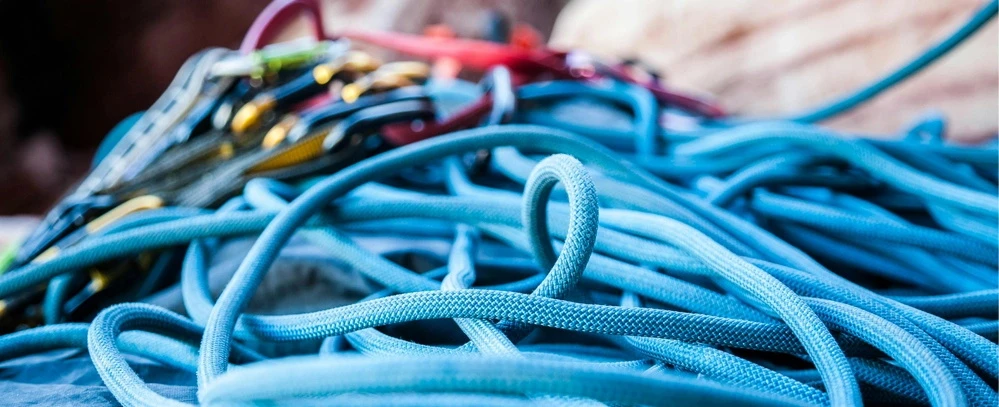

Climbing Rope Sale
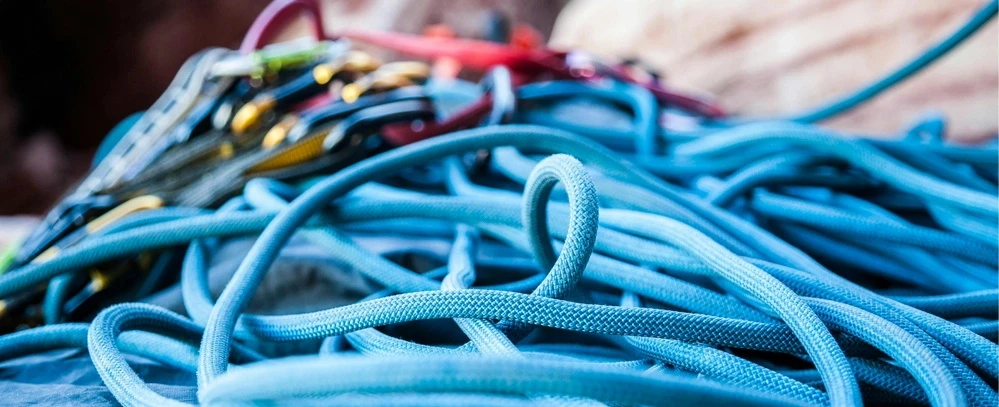
Climbing cords are vital for safety and performance in rock climbing, mountaineering, and other vertical sports. They are designed to absorb impact, resist abrasion, and support climbers during falls or descents. Dynamic ropes stretch to reduce force during falls, while static ropes are used for rappelling and rescue. For climbers, ropes symbolize trust, enabling them to explore heights confidently. Athletes rely on high-quality ropes for durability and reliability, while amateurs benefit from ease of use and added safety in learning environments.
Climbing Ropes Choosing Guide
Choosing the right climbing rope depends on your climbing style and needs.
Rope type is key: single ropes suit sport and trad climbing, half ropes reduce drag on wandering routes, and twin ropes provide redundancy for alpine or ice climbing.
Length matters; 60m is standard, but longer ropes (70m or 80m) are useful for extended pitches or rappelling.
Diameter impacts durability and weight—thicker ropes (9.8–10.5mm) are robust for frequent use, while thinner ropes (8.5–9.7mm) are lightweight for advanced climbs.
Consider features like dry treatment for wet conditions and check UIAA safety ratings to ensure reliability and performance.
How to Check Your Ropes
To inspect your rope climbing rope, follow these steps
Visual Inspection: Look for cuts, fraying, or discoloration on the sheath, which may indicate damage or contamination.
Tactile Check: Run the rope through your hands to feel for soft spots, stiffness, flat areas, or inconsistencies that could indicate core damage.
End Inspection: Check rope ends for fraying, wear, or loose whipping.
Rope Inspection and Retirement Guidelines
Flexibility: Ensure the rope bends and handles as expected without stiffness.
History: Review usage history for falls, abrasion, or chemical exposure.
Retire the rope if significant damage, soft spots, or chemical exposure are found, or after exceeding its lifespan.
If you want to know more climbing rope types, please visit our website.
As a professional rope company in China, HOATER Ropes specializes in designing, producing, and supplying high-quality synthetic ropes for diverse applications across multiple industries, such as marine, construction, outdoor adventure, and defense, providing ropes renowned for their strength, durability, and performance.


























Sign in to leave a comment.