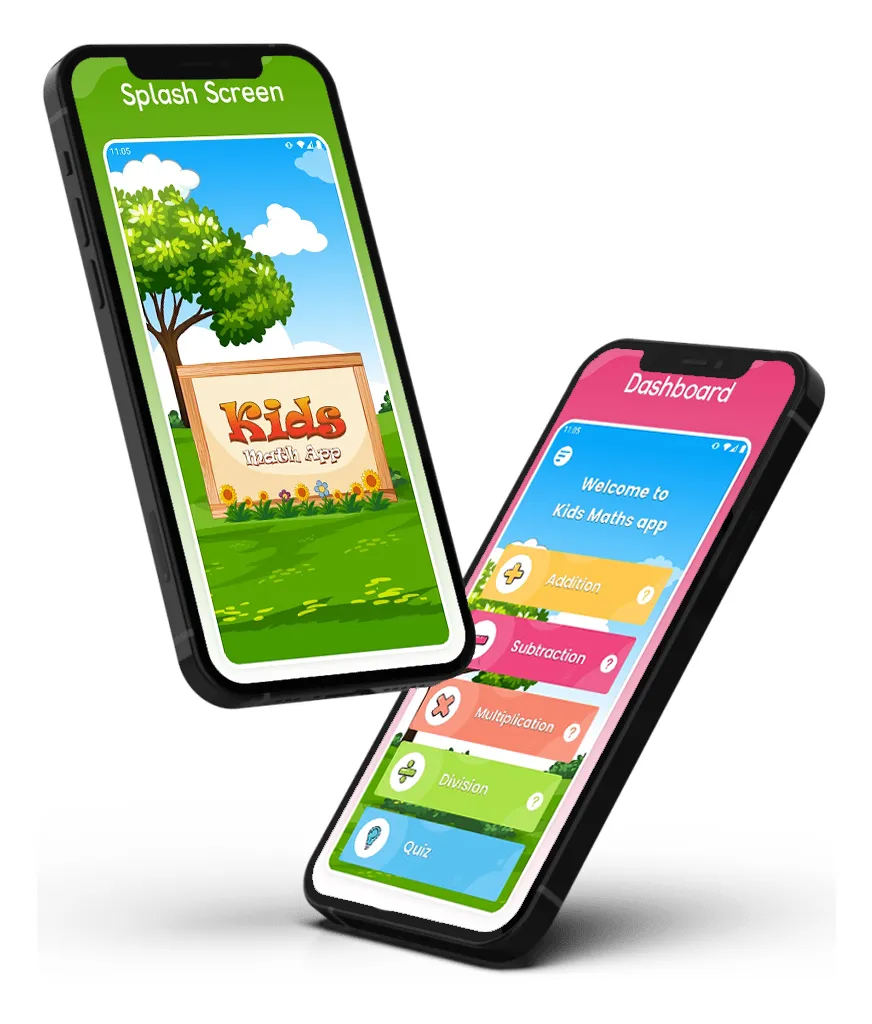

Learning to tell time is an important skill for children. It helps them understand daily routines, organize activities, and recognize how different parts of the day connect together. However, reading an analogue clock can sometimes be challenging for young learners. Numbers, clock hands, hours, and minutes can take time to understand. This is where Clock Games For Kids can turn a potentially difficult topic into an enjoyable learning experience.
With EduGamingAppWorld, children can explore educational concepts through playful and interactive activities. Instead of treating time as a difficult lesson, game-based activities can help children practice clock skills while keeping their learning experience engaging.
Why Is Learning to Tell Time Important?
Understanding time is more than simply reading a clock. Children gradually learn how their day is organized around different activities. They begin to understand concepts such as morning, afternoon, evening, and night, as well as the sequence of everyday events.
Learning to tell time can also support independence. Knowing when it is time for school, lunch, play, homework, or bedtime helps children connect numbers on a clock with real-life activities.
For young learners, Clock Games For Kids can provide repeated opportunities to practice these concepts in a fun and approachable way.
How Clock Games Make Learning Easier
Traditional worksheets can be useful, but children often enjoy activities that allow them to interact and make choices. Digital clock games can present a clock and ask children to identify a particular time, select the correct answer, or match a clock face with a given time.
This type of practice gives children an opportunity to learn through participation. If they make a mistake, they can try again and gradually become more familiar with the relationship between numbers and clock hands.
Playful learning can also help reduce the pressure children sometimes associate with new mathematical concepts.
Understanding the Parts of a Clock
Before children can confidently tell time, they need to understand the basic parts of an analogue clock. A typical clock has numbers arranged in a circular pattern and hands that point to different positions.
Children can learn that:
- The numbers represent different positions around the clock.
- The shorter hand is used to identify the hour.
- The longer hand is used to identify the minutes.
- The hands move around the clock as time passes.
- Different positions of the hands represent different times.
Clock Games For Kids can help children practice these ideas repeatedly through visual activities and simple challenges.
Learning Hours First
For beginners, learning whole hours is often a useful starting point. Children can look at a clock and identify when the hour hand points to a number and the minute hand points to 12.
For example, when the minute hand is at 12 and the hour hand is at 4, the clock shows four o'clock.
Games can make this concept more interesting by turning it into a matching or identification challenge. Children can look at several clocks and choose the one that represents a particular hour.
Once whole hours become familiar, children can gradually move toward more advanced time concepts.
Moving From Hours to Minutes
Understanding minutes can be more challenging because the clock face contains 60 minutes but only 12 numbered positions. Children need to learn how the minute hand relates to those positions.
Interactive activities can help children practice common time patterns such as quarter hours and half hours before moving toward more detailed times.
With regular practice, children can become more comfortable recognizing how the minute hand moves and how it works together with the hour hand.
This gradual approach can make time learning easier to manage.
Connecting Clock Learning With Daily Life
One of the best ways to reinforce time concepts is to connect them with everyday routines. Parents can ask children to look at a clock before an activity and talk about what time it is.
For example, parents might ask:
- “What time do we leave for school?”
- “What time is lunch?”
- “What time does your favourite activity start?”
- “Can you find the hour hand?”
- “What number is the minute hand pointing toward?”
These simple conversations can help children understand that clocks are useful tools rather than just learning objects.
Combining real-world practice with Clock Games For Kids can provide children with different ways to understand the same concept.
How EduGamingAppWorld Supports Learning
EduGamingAppWorld brings educational learning and playful digital activities together for young learners. Its focus on interactive learning can help children explore different educational concepts in an engaging environment.
For children learning about numbers and time, game-based activities can provide additional practice alongside traditional learning methods. Parents can introduce digital activities as part of a balanced routine that also includes books, physical games, conversations, and hands-on experiences.
The goal is to make learning feel approachable while giving children opportunities to practice important foundational skills.
Benefits of Game-Based Time Practice
There are several reasons parents may choose interactive activities when introducing children to clocks.
1. Encourages Repetition
Children can practice the same concept multiple times, helping them become more familiar with clock patterns.
2. Makes Learning Engaging
Interactive activities can make time practice feel more like play than a traditional lesson.
3. Supports Visual Learning
Clock faces provide a visual representation of time, helping children connect numbers and hand positions.
4. Encourages Problem-Solving
Children may need to examine a clock and decide which answer is correct, encouraging careful thinking.
5. Builds Confidence
Regular practice can help children become more comfortable with time concepts and approach new challenges with confidence.
Simple Offline Clock Games for Children
Digital learning can be combined with simple activities away from the screen. Parents can use a toy clock with movable hands and ask children to set specific times.
Another activity is a daily time challenge. Parents can choose familiar routines and ask children what time they usually happen. Children can then look at a clock and try to identify the corresponding time.
Creating a paper clock is another simple option. Children can decorate the clock, write the numbers, and move the hands to different positions while practicing.
These activities can complement Clock Games For Kids and provide additional hands-on learning opportunities.
Creating a Positive Learning Experience
Every child learns at a different pace. Some children may quickly recognize whole hours, while others may need more practice before moving to minutes.
Parents can keep sessions short and enjoyable, celebrate effort, and introduce new concepts gradually. There is no need to rush through every level of time learning.
The goal should be to help children understand the concept while maintaining their curiosity and interest.
Conclusion
Learning to tell time is an important early skill, but it does not have to be boring or difficult. Through interactive activities, visual practice, and everyday examples, children can gradually develop a stronger understanding of clocks and time.
Clock Games For Kids can make this learning process more engaging by combining practice with play. With EduGamingAppWorld, parents can introduce children to playful educational experiences while continuing to support learning through real-world activities.
From recognizing whole hours to understanding minutes, every small step can help children become more confident with time. When learning is enjoyable, children can discover that even something as practical as reading a clock can become an exciting part of their learning journey.






















Sign in to leave a comment.