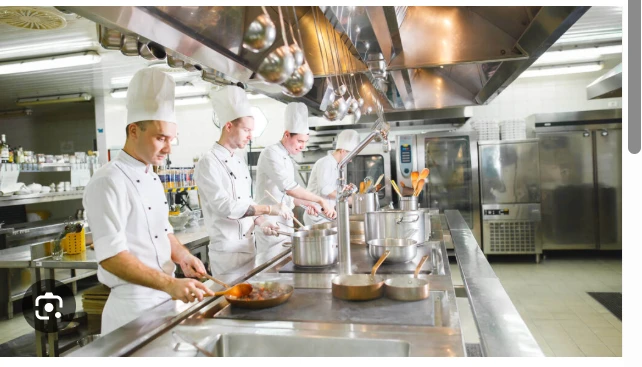

Understanding The Concept Of Cloud Kitchen
The cloud kitchen model, also known as a virtual kitchen or ghost kitchen, is reshaping the food and beverage industry worldwide. Unlike traditional dine-in restaurants, a cloud kitchen operates without a storefront or dining area. Instead, it focuses solely on preparing meals for delivery. This concept has gained popularity in urban areas due to the rising demand for food delivery, changing consumer habits, and the growing influence of food delivery apps.
In essence, a cloud kitchen operates like a back-end kitchen designed to fulfill online food orders. Customers browse digital menus via mobile apps or websites, place their orders, and receive their food at home or work. The absence of a physical space for dining significantly reduces the overhead costs, making it an attractive option for entrepreneurs and restaurant chains alike.
Growth Of Cloud Kitchens In Modern Cities
The rapid growth of cloud kitchen businesses can be attributed to technological advancements, high internet penetration, and the convenience factor. In busy metropolitan areas, time constraints and long working hours encourage consumers to opt for food delivery services rather than dining out.
This surge in demand has encouraged food entrepreneurs to launch virtual restaurants without the need to invest in expensive interiors, wait staff, or real estate in high-rent locations. The scalability of a cloud kitchen also allows businesses to test new food concepts and menus with minimal risk.
Benefits Of Cloud Kitchen For Business Owners
There are several advantages to running a cloud kitchen. Firstly, the cost of setting up a virtual kitchen is significantly lower than that of a traditional restaurant. Since it requires less space and fewer staff, businesses can redirect their budgets towards marketing, packaging, and quality ingredients.
Secondly, a cloud kitchen enables operators to manage multiple brands or cuisines from a single location. For instance, one kitchen can simultaneously operate as a burger joint, a pizza parlor, and a dessert bar. This flexibility allows business owners to cater to various customer preferences under one roof.
Thirdly, it provides access to customer data and analytics, which helps in refining the menu, pricing, and service delivery. Digital orders allow businesses to track popular items, peak order times, and customer feedback in real time.
Challenges Faced By Cloud Kitchen Operators
Despite its advantages, the cloud kitchen model is not without challenges. One of the biggest hurdles is creating brand recognition without a physical presence. Since there is no storefront or face-to-face interaction with customers, building trust and loyalty requires excellent service and consistent food quality.
Additionally, the success of a cloud kitchen heavily relies on third-party food delivery platforms, which often charge high commissions. This reduces profit margins and leaves businesses vulnerable to platform policy changes and technical issues.
Logistics also play a critical role. Efficient food delivery within a short time window is essential to retain customer satisfaction. Delays or errors in packaging can result in negative reviews and loss of repeat customers.
Role Of Technology In Cloud Kitchen Operations
Technology is at the heart of every cloud kitchen operation. From online ordering systems and kitchen display systems (KDS) to inventory management and delivery tracking, each element is digitized for efficiency.
Advanced analytics tools help kitchen managers forecast demand, reduce waste, and manage resources effectively. Automated marketing tools enable personalized promotions and re-engagement campaigns through email, SMS, or app notifications.
Moreover, integration with food delivery apps ensures smooth order processing and real-time communication between the kitchen and the customer.
How Cloud Kitchens Cater To Consumer Trends
Today’s consumers expect convenience, variety, and speed. A cloud kitchen caters to these expectations by offering multiple cuisines, affordable pricing, and fast delivery times. Dietary preferences such as vegan, gluten-free, or keto-friendly options are also easily accommodated by customizing menus across virtual brands.
Moreover, the increased focus on hygiene and safety post-pandemic has further boosted the appeal of delivery-only kitchens. Many customers prefer ordering from kitchens that operate in a controlled and monitored environment with fewer human interactions.
Sustainability And The Cloud Kitchen Model
Sustainability is a growing concern in the food industry, and cloud kitchen operators are finding ways to reduce their environmental impact. Some adopt eco-friendly packaging, minimize food waste through data analysis, and source ingredients locally to reduce their carbon footprint.
Centralized kitchen models also contribute to less energy consumption compared to multiple dine-in locations. Shared kitchen spaces reduce redundancy in resources like equipment, electricity, and refrigeration.
Future Outlook Of Cloud Kitchen Industry
The cloud kitchen concept is here to stay. Industry analysts predict that the market will continue to grow at a steady pace in the coming years. With increasing investments, innovative business models, and evolving customer preferences, the future looks bright for virtual kitchens.
Emerging trends include automation through robotics, AI-driven customer service, drone delivery, and kitchen-as-a-service (KaaS) models. These innovations will further enhance efficiency and redefine the way food is prepared and delivered.
As consumer reliance on delivery platforms continues, more traditional restaurants may also adopt the cloud kitchen approach to expand their reach without investing in new physical locations.
Tips For Starting A Cloud Kitchen Business
For aspiring entrepreneurs, entering the cloud kitchen space requires careful planning. Here are some key tips:
- Choose The Right Location: Accessibility for delivery drivers and proximity to target customers is crucial.
- Focus On A Niche: Stand out by specializing in a particular cuisine or offering something unique.
- Leverage Technology: Invest in reliable POS systems, inventory software, and order management tools.
- Build A Strong Brand: Use digital marketing to create brand identity and build customer loyalty.
- Maintain Quality Control: Food quality, packaging, and delivery time must be consistent.
Conclusion
The cloud kitchen model is redefining the food and beverage landscape by prioritizing convenience, cost-effectiveness, and innovation. While there are challenges, the potential rewards make it a highly attractive business opportunity. With the right strategies, tools, and customer-centric mindset, entrepreneurs can successfully operate a cloud kitchen that thrives in the competitive food delivery market.
As dining habits continue to evolve, the demand for delivery-first dining experiences will only grow. The time is ripe for food businesses to embrace this transformative model and carve out their space in the modern culinary world.


























Sign in to leave a comment.