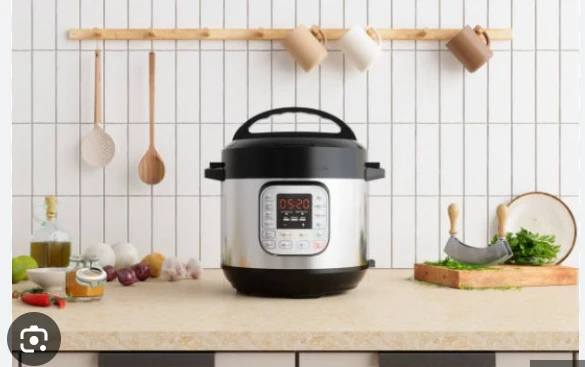

Introduction To Rice Cookers
In today’s fast-paced world, having kitchen appliances that save time and ensure consistent cooking results is essential. Among these appliances, rice cookers stand out as one of the most commonly used tools in households. They have made the task of cooking rice convenient, efficient, and reliable. Whether you're a working professional or a home cook, rice cookers offer a seamless cooking experience and allow you to prepare fluffy, perfectly cooked rice every time.
How Rice Cookers Work
A typical rice cooker consists of a main body, a heating plate, a removable inner pot, and a temperature sensor. When you place rice and water inside and turn the appliance on, the heating plate begins to warm the contents. The cooker automatically detects when all the water has been absorbed or evaporated. Once the water level drops and the internal temperature starts rising beyond boiling point, the cooker either switches off or shifts to a warm mode. This process ensures the rice is neither undercooked nor burnt.
Benefits Of Using Rice Cookers
One of the primary advantages of using rice cookers is consistency. With traditional stovetop methods, it's easy to overcook or undercook rice. However, rice cookers automate the process, providing consistent results every time. They also save time, allowing users to multitask without worrying about burning food. Furthermore, many modern rice cookers come with additional features such as timers, various cooking modes for different rice types, and even the ability to cook other foods like porridge, soup, and steamed vegetables.
Features To Look For
When shopping for rice cookers, several features can enhance your experience. Consider models that offer multiple cooking functions, including brown rice, white rice, and quick-cook options. A non-stick inner pot makes cleaning easier, while a keep-warm feature ensures your meal stays ready to eat even hours after cooking. Additionally, some advanced models include smart functions that allow you to schedule cooking times or control the appliance via mobile apps.
Rice Cookers In Smart Kitchens
As smart home technology becomes more widespread, rice cookers have also evolved. Many new models now come with app integrations, voice control via smart assistants, and intelligent cooking algorithms. These features allow users to start cooking remotely, receive alerts, and fine-tune cooking processes based on the type of rice or quantity being used. These enhancements not only improve the cooking experience but also make rice cookers a valuable part of the modern kitchen ecosystem.
Energy Efficiency And Safety
Another essential aspect of rice cookers is their energy efficiency. Compared to using a gas stove or conventional electric stove, rice cookers consume rice cookers less power while cooking faster. This makes them an eco-friendly option for many households. Safety features are also a strong point. Most models include overheat protection, automatic shut-off, and secure lids, reducing the risks of accidents in the kitchen.
Different Types Of Rice Cookers
There are several types of rice cookers available in the market, catering to different needs:
· Standard Rice Cookers: Basic models that are budget-friendly and simple to operate.
· Fuzzy Logic Rice Cookers: More advanced, capable of adjusting cooking time and temperature automatically.
· Induction Heating Rice Cookers: Offer precise temperature control using induction technology.
· Micom Rice Cookers: Combine microchip control with fuzzy logic for optimal cooking performance.
Each of these types serves a different purpose and comes with its own price range, size, and feature set. Consumers can choose based on their household size, frequency of use, and required functions.
Maintenance And Cleaning Tips
Proper care and maintenance are essential to extend the life of rice cookers. After each use, unplug the appliance and allow it to cool before cleaning. Remove the inner pot and wash it with a soft sponge to avoid scratching the surface. The steam vent and lid should also be cleaned regularly to prevent buildup. Make sure all components are completely dry before reassembling. Routine maintenance ensures consistent performance and reduces the chance of malfunction.
Best Practices For Using Rice Cookers
To get the best results, always measure the rice and water accurately. Most rice cookers come with a measuring cup and water level markings inside the pot. Avoid overfilling the cooker as it can cause spills and uneven cooking. Letting the rice rest for a few minutes after cooking helps improve its texture. Additionally, experimenting with different grains like quinoa, millet, or barley can expand your culinary experience beyond just white or brown rice.
Growing Demand In E-Commerce
The rise of e-commerce has made it easier for consumers to explore various rice cookers online. From budget-friendly models to high-end smart appliances, e-commerce platforms offer a wide variety, complete with reviews, comparisons, and delivery options. Brands now target online customers by showcasing product features, tutorials, and detailed specifications to help buyers make informed choices. As consumer demand grows, online platforms continue to evolve with better user experience, return policies, and customer support.
Conclusion
Rice cookers have become an essential appliance in many homes, thanks to their convenience, efficiency, and versatility. With technological advancements, they have moved beyond just cooking rice to becoming multi-functional cooking tools. Whether you’re a busy professional or a culinary enthusiast, investing in a good rice cooker can transform your kitchen experience. As e-commerce continues to flourish, more consumers will enjoy easy access to the latest and most reliable models of rice cookers suited to their individual needs.
























Sign in to leave a comment.