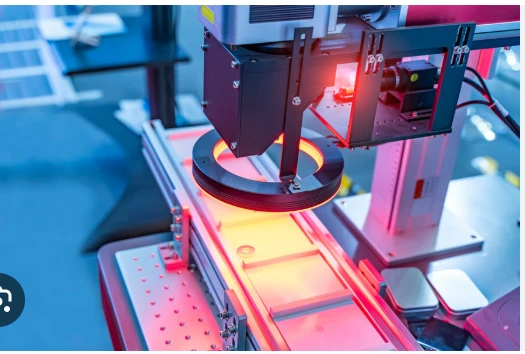
Introduction to Optical Inspection Systems
In modern electronics and engineering industries, maintaining high-quality standards is essential to ensure product reliability and safety. Optical inspection systems have emerged as vital tools for inspecting components, assemblies, and printed circuit boards (PCBs). These systems use high-resolution cameras, advanced imaging technology, and software analysis to detect defects quickly and accurately, reducing production errors and improving overall efficiency.
How Optical Inspection Systems Work
optical inspection system operate by capturing detailed images of components or assemblies and comparing them to reference templates or standards. The systems can identify a wide range of defects, including misalignments, missing parts, surface scratches, and soldering errors. By automating inspection, these systems reduce the reliance on manual checks and provide consistent, repeatable results.
Key Components of an Optical Inspection System
- High-resolution cameras: Capture precise images for detailed inspection.
- Lighting units: Provide uniform illumination to highlight potential defects.
- Software algorithms: Analyze captured images to detect deviations from expected patterns.
- Conveyor or positioning systems: Move parts through the inspection area efficiently.
Advantages of Implementing Optical Inspection Systems
Increased Accuracy
Manual inspection can be prone to human error, especially for fine-pitch components or complex assemblies. Optical inspection systems detect even the smallest defects, ensuring products meet strict quality standards.
Time Efficiency
These systems inspect products rapidly, keeping pace with high-speed production lines. Quick detection of defects allows manufacturers to correct errors immediately, reducing delays.
Cost Reduction
By identifying defects early in the production process, optical inspection systems prevent expensive rework, scrap, and potential recalls, saving both time and resources.
Consistent Quality
Automated inspection ensures uniformity across all units, maintaining consistent quality levels regardless of production shifts or operator fatigue.
Types of Optical Inspection Systems
Inline Optical Inspection Systems
Inline systems are integrated directly into production lines. They inspect assemblies immediately after processes such as soldering or component placement, providing real-time feedback to operators.
Standalone Optical Inspection Systems
Standalone systems are separate units used for batch inspections or special projects. They are flexible and ideal for low-volume or highly customized production runs.
3D Optical Inspection Systems
3D systems measure surface profiles, solder joint height, and component volume. These systems offer advanced inspection capabilities for complex and densely populated boards.
Applications of Optical Inspection Systems
Consumer Electronics
Smartphones, tablets, and wearable devices require precise assembly. Optical inspection systems ensure that PCBs in these devices meet high standards for reliability and functionality.
Automotive Electronics
Vehicle electronics must function reliably under various conditions. Optical inspection systems verify that components are assembled correctly, reducing the risk of malfunctions and improving vehicle safety.
Medical Electronics
Medical devices must comply with strict regulations. Optical inspection systems help manufacturers maintain accuracy, ensuring safe and effective products for healthcare applications.
Industrial Electronics
Industrial equipment relies on durable and defect-free PCBs. Optical inspection systems ensure consistent quality, reducing the risk of equipment downtime due to faulty components.
Features to Consider When Choosing an Optical Inspection System
High-resolution Imaging
Cameras with high resolution are essential for detecting small defects on complex or dense boards.
Inspection Speed
The system should match production line speeds without compromising detection accuracy, ensuring smooth workflow.
User-friendly Software
Intuitive software allows operators to configure inspections, visualize results, and generate reports efficiently, minimizing errors and training requirements.
Integration Capabilities
Optical inspection systems can work alongside solder paste inspection (SPI) machines, automated test equipment (ATE), and manufacturing execution systems (MES) to streamline the production process.
Challenges in Optical Inspection System Implementation
Complex Board Designs
High-density boards with multiple layers and small components are more challenging to inspect. 3D optical systems and advanced algorithms can address these challenges effectively.
Training Requirements
Operators require proper training to set up, calibrate, and maintain inspection systems. Well-trained personnel ensure accurate results and reduce downtime.
Investment Cost
Optical inspection systems involve significant upfront costs, but the long-term savings in reduced defects, rework, and scrap often justify the investment.
Future Trends in Optical Inspection Systems
Artificial Intelligence Integration
AI algorithms enhance defect detection by learning from historical inspection data, reducing false positives and improving overall system efficiency.
Smart Factory Integration
Future optical inspection systems will connect to smart factory networks, enabling real-time monitoring, predictive maintenance, and data-driven process optimization.
Advanced 3D Imaging
The adoption of advanced 3D imaging allows inspection of complex geometries and hidden solder joints, providing more comprehensive quality assurance.
Environmentally Friendly Designs
Manufacturers are focusing on energy-efficient systems that minimize environmental impact while maintaining high inspection standards.
Conclusion
Optical inspection systems have become indispensable in modern engineering and electronics manufacturing. They provide accurate, rapid, and reliable defect detection, ensuring products meet high-quality standards. By improving detection accuracy, increasing production efficiency, reducing costs, and supporting compliance with industry regulations, these systems are vital for producing reliable consumer, automotive, medical, and industrial electronics. As technology evolves, optical inspection systems will continue to play a pivotal role in improving manufacturing quality and operational efficiency.





























Sign in to leave a comment.