

As businesses increasingly migrate to the cloud, security and compliance have become top priorities. Cloud adoption offers scalability, cost efficiency, and operational flexibility, but it also introduces new risks, including data breaches, misconfigurations, and regulatory challenges. Organizations must rethink traditional security models and compliance frameworks to protect sensitive data while maximizing cloud benefits.
Emerging trends in cloud security are driving a shift from reactive protection to proactive, intelligence-driven models. Cloud Trends providers, enterprises, and security vendors are collaborating to implement robust frameworks that safeguard assets, ensure regulatory adherence, and maintain trust. Understanding these trends is crucial for organizations that want to leverage the cloud securely and maintain compliance in complex regulatory environments.
Zero Trust Architecture
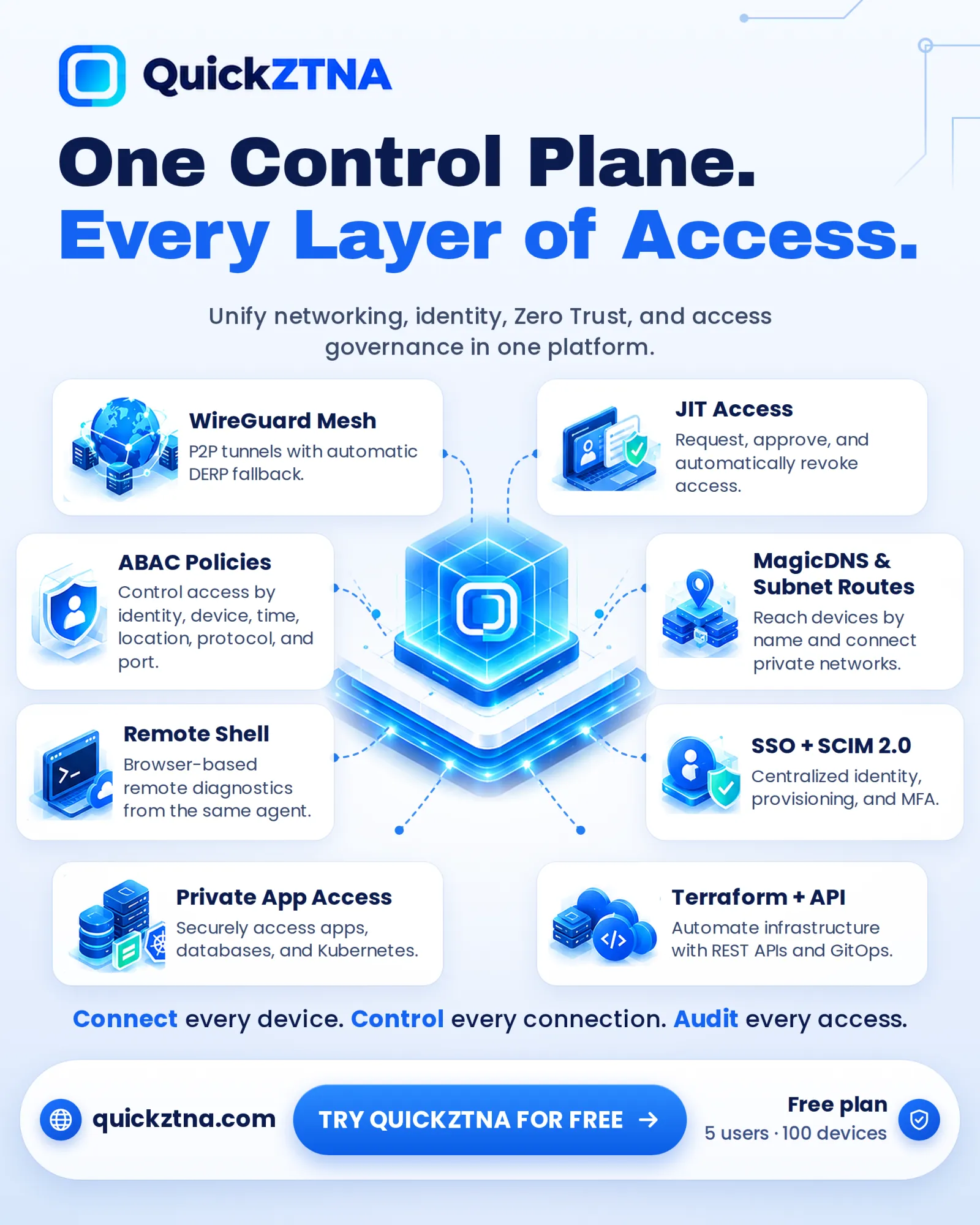
Zero Trust Architecture (ZTA) has emerged as a leading cloud security model. Unlike traditional perimeter-based security, Zero Trust assumes that threats exist both inside and outside the network. Access is granted based on continuous verification of identity, device integrity, and user behavior, minimizing the risk of unauthorized access.
Cloud-native Zero Trust solutions integrate identity and access management (IAM), multi-factor authentication, and micro-segmentation to protect sensitive workloads. Organizations adopting ZTA benefit from reduced attack surfaces, enhanced visibility, and improved compliance. As cloud environments grow more distributed, Zero Trust is becoming an essential security paradigm for modern enterprises.
AI and Machine Learning for Threat Detection
Artificial intelligence (AI) and machine learning (ML) are transforming cloud security by enabling real-time threat detection and automated response. Traditional signature-based security tools often fail against sophisticated attacks, whereas AI-driven systems can analyze massive data streams to identify anomalies, predict threats, and respond instantly.
Cloud security platforms now leverage ML algorithms to detect unusual login patterns, data exfiltration, and configuration changes. By proactively identifying vulnerabilities and mitigating threats, organizations reduce the likelihood of breaches and strengthen compliance adherence. AI-powered security is rapidly becoming a standard requirement in cloud environments where scale and complexity challenge human oversight.
Cloud-Native Security and DevSecOps
Cloud-native security is an emerging trend focused on integrating security into application development pipelines. DevSecOps embeds security practices directly into continuous integration and continuous deployment (CI/CD) processes, ensuring that applications are secure by design rather than retrofitted.
By automating vulnerability scanning, policy enforcement, and compliance checks during development, DevSecOps reduces risks and accelerates deployment. Organizations adopting cloud-native security frameworks benefit from improved resilience, regulatory alignment, and faster innovation cycles, making security a core part of the cloud adoption strategy.
Compliance Automation and Regulatory Intelligence
Cloud adoption introduces complex compliance requirements, especially for industries like finance, healthcare, and government. Manual compliance processes are time-consuming and prone to errors, prompting organizations to leverage automation tools that continuously monitor cloud environments for adherence to standards like GDPR, HIPAA, and ISO 27001.
Regulatory intelligence platforms further enhance compliance by tracking changes in global laws and updating security policies accordingly. Automated compliance not only reduces risk and administrative burden but also improves audit readiness. Organizations can now demonstrate real-time compliance, enhancing trust with customers, partners, and regulators.
Hybrid and Multi-Cloud Security Models
Many organizations are adopting hybrid and multi-cloud strategies to balance flexibility, cost, and performance. However, distributed environments introduce new security and compliance challenges. Unified cloud security models are emerging to provide consistent protection across multiple platforms, regardless of provider or location.
Tools that offer centralized visibility, unified threat detection, and cross-cloud policy enforcement are becoming standard. These approaches ensure that enterprises can maintain security and compliance while leveraging multiple cloud providers, avoiding silos, and minimizing operational complexity. The hybrid and multi-cloud trend is driving the evolution of security models toward integrated, cloud-agnostic solutions.
Future Outlook – Adaptive Security and Compliance
Looking ahead, cloud security and compliance models will become increasingly adaptive and intelligence-driven. Technologies such as behavioral analytics, predictive threat modeling, and autonomous response systems will redefine how organizations safeguard cloud assets. Compliance frameworks will continue to evolve, integrating AI-driven monitoring, continuous assessment, and automated reporting.
Organizations that adopt these emerging trends will not only mitigate risks but also gain operational agility and strategic advantage. Cloud security is no longer just about defense—it is a proactive enabler of innovation and trust. By embracing these evolving models, businesses can confidently leverage cloud technologies while ensuring compliance, resilience, and competitive differentiation.
Conclusion
Cloud trends are fundamentally reshaping how organizations approach security and compliance. From Zero Trust architectures and AI-driven threat detection to cloud-native security practices and automated compliance frameworks, enterprises now have the tools to protect data, reduce risks, and maintain regulatory alignment in increasingly complex environments. Hybrid and multi-cloud strategies further emphasize the need for unified, adaptive security models that can operate seamlessly across platforms.
Looking forward, the future of cloud security and compliance will be defined by intelligence, automation, and adaptability. Organizations that embrace these trends will not only mitigate risks but also accelerate innovation, improve operational efficiency, and build trust with customers, partners, and regulators. By leveraging emerging cloud security and compliance models, businesses can confidently navigate digital transformation while safeguarding assets and achieving long-term resilience.


























Sign in to leave a comment.