

Building projects in Canada must address detailed requirements for fire protection, occupant safety, accessibility, construction, and emergency response. Early code review helps owners, architects, engineers, and contractors understand these requirements before design decisions become difficult or expensive to change. A strong consulting process, supported by Code consulting canada, examines the intended use of a building, occupancy classification, means of egress, fire resistance, compartmentation, fire protection systems, and other life safety considerations. It also helps project teams identify potential compliance concerns during design instead of discovering them during construction or approval. This proactive approach can reduce delays, rework, overdesign, and uncertainty while creating a clear technical foundation for the project.
Developing a Practical Fire Safety Strategy
A fire safety strategy brings different protection measures together into one coordinated approach. It can establish fire safety objectives, applicable codes and standards, building classification, fire service provisions, fire compartmentation, structural fire resistance, external fire spread controls, means of egress, smoke management, and fire protection systems. The strategy should reflect the specific building rather than rely on generic assumptions. For new construction or refurbishment, developing the strategy during design gives architects and engineers useful direction for detailed specifications. It can also support owners and facility managers by explaining important protection and management measures that must remain effective after occupancy.
Applying Canadian Codes and Standards
Canadian projects may involve requirements from the National Building Code of Canada, provincial and municipal regulations, and recognized fire protection standards. The correct requirements depend on the project's location, occupancy, construction characteristics, and scope. Professional consultants review applicable provisions and interpret them in relation to the proposed design. Code consulting canada can therefore support a structured review of compliance rather than treating the building code as a checklist. Where a prescriptive solution is not suitable, performance based design and fire engineering analysis may provide another pathway when permitted by the applicable regulatory framework. This work requires careful documentation, technical reasoning, and communication with project stakeholders.
Connecting Design With Occupant Safety
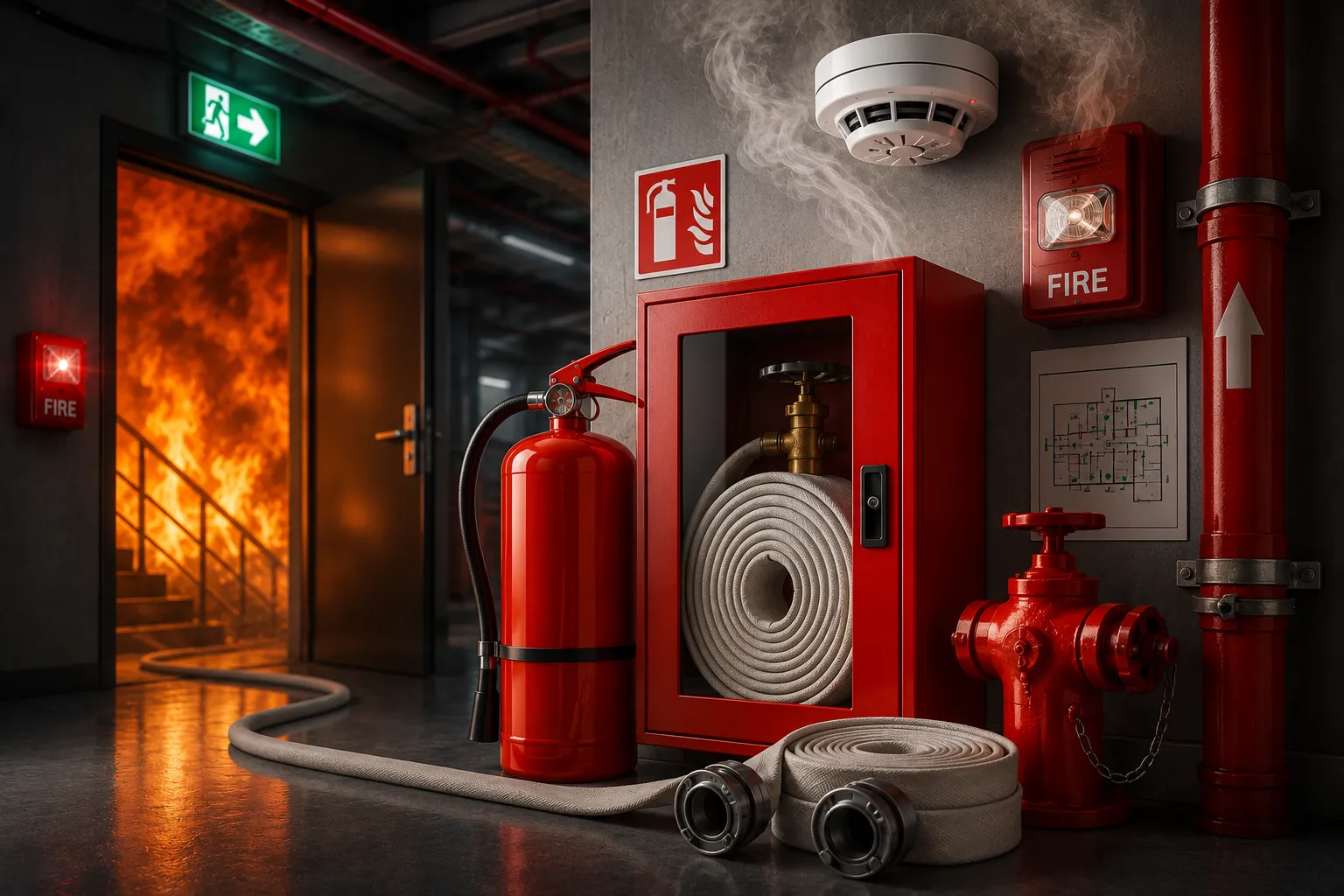
Life safety depends on more than individual fire protection products. Safe movement through a building requires coordinated decisions about exits, travel paths, doors, stairs, fire separations, smoke control, alarms, suppression, and emergency procedures. A code consultant can evaluate how these elements interact and whether the overall strategy supports the intended safety objectives. Evacuation considerations are especially important in buildings with complex layouts, large occupant loads, vulnerable occupants, or unusual uses. Fire modelling, evacuation modelling, structural fire engineering, or radiation analysis may also be considered where the project requires deeper engineering assessment.
Building Competence Through Training
Technical design and occupant preparedness work together. Fire Safety Training can help personnel understand fire risks, emergency procedures, evacuation responsibilities, and the practical meaning of fire safety requirements. Training programs can also develop knowledge of recognized codes and standards, including the International Building Code, NFPA 101, NFPA 5000, smoke control requirements, battery energy storage considerations, and other specialized subjects. For organizations, structured learning can help staff communicate more effectively with engineers, facility managers, contractors, and authorities. The goal is not simply to memorize regulations but to build practical understanding that supports safer decisions.
Supporting Construction and Ongoing Management
Fire safety requirements should continue beyond the design approval stage. During construction, quality assurance can help confirm that important protection measures are installed according to approved requirements. Issues involving firestopping, compartmentation, structural fire resistance, fire doors, smoke management, or system interfaces may affect the final performance of a building if they are not properly addressed. After occupancy, owners and facility teams need processes for inspection, maintenance, management, and emergency readiness. A well developed strategy can provide information that supports these ongoing responsibilities and helps maintain the intended level of fire and life safety throughout the building's service life.
Strong Documentation and Long Term Safety
Strong documentation is another important part of professional fire safety work. Clear drawings, review comments, assumptions, calculations, and strategy documents allow project participants to understand why particular measures are proposed. This record can support coordination between architects, mechanical and electrical engineers, contractors, owners, and approval authorities. Good documentation should be accurate, readable, and consistent with the applicable requirements. It should clearly identify limitations, responsibilities, and any measures that require continued inspection or maintenance. When technical information is presented in a practical way, decision makers can act with greater confidence and reduce the risk of misunderstanding during design, construction, approval, and occupancy. Regular review is also valuable when codes, building uses, or operational conditions change over time. A documented review process helps keep safety measures aligned with current risks and responsibilities. This supports safer decisions and consistent emergency preparedness across the organization.
Conclusion
Professional fire safety planning provides a practical connection between building design, regulatory compliance, engineering judgment, and occupant protection. By reviewing requirements early, documenting a clear strategy, and developing competent teams, projects can address risks before they become costly problems. Code consulting canada supports informed design decisions while Fire Safety Training helps people understand how to respond to fire risks and emergency situations. Together, technical consulting and practical education can contribute to safer, more resilient buildings.
FAQs
What does building code consulting cover?
It can cover code interpretation, plan review, occupancy classification, means of egress, fire resistance, fire protection systems, fire safety strategies, and coordination with project requirements.
When should a fire safety strategy be developed?
It is commonly developed during the design phase so that fundamental fire safety requirements can guide later design and construction decisions.
Why is training important for building personnel?
Training helps personnel understand emergency procedures, responsibilities, fire risks, and the practical application of relevant safety requirements.
Can performance based design be used in Canada?
Performance based approaches may be possible where permitted by the applicable regulatory framework. The appropriate method depends on project conditions and authority requirements.























Sign in to leave a comment.