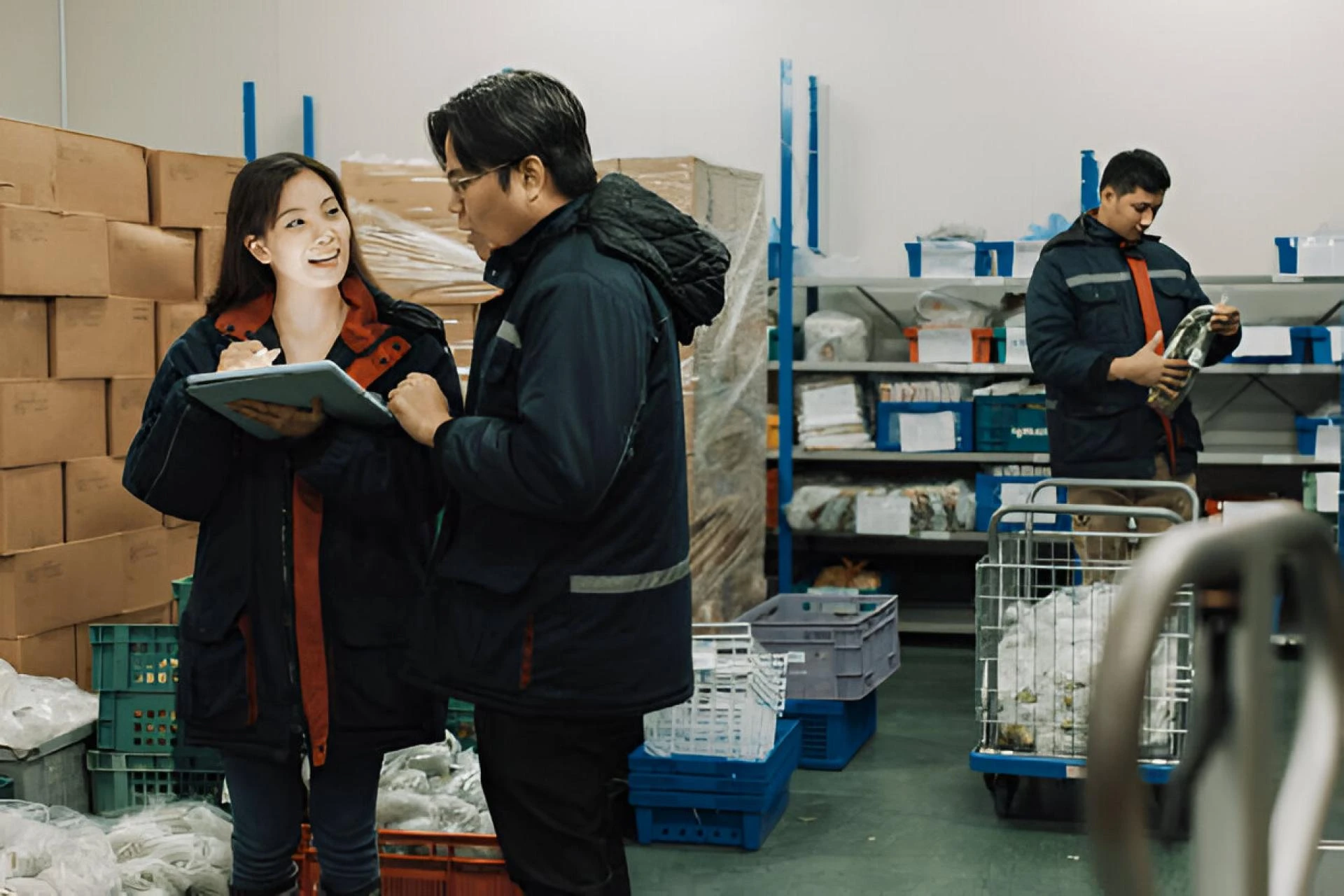
Food delivery has become an everyday service across the world, but in tropical countries like Malaysia, ensuring food safety and freshness comes with unique challenges. High heat and humidity can quickly damage perishable items if the cold chain is not maintained. The cold chain is the process of keeping food at a controlled temperature during storage, transportation, and delivery. If this chain breaks, even briefly, food can lose quality or become unsafe to eat.
In our article on cold chain logistics challenges, we explained how poor packaging and weak temperature control are two major reasons behind spoiled deliveries. Thankfully, new packaging innovations are helping businesses overcome these issues and meet customer expectations.
Why Packaging is Crucial in Cold Chain Logistics
Packaging is often the last line of defense in cold chain operations. Even if storage and transportation systems are perfect, bad packaging can expose food to outside temperatures within minutes. This makes it one of the most important investments for food businesses. Modern packaging does much more than just hold the food; it protects freshness, provides visibility into quality, and even supports sustainability goals.
Multi-Layer Insulated Containers
Traditional packaging such as single-layer foam boxes or plastic containers are not enough in hot climates. Multi-layer insulated containers use vacuum panels or special cooling materials that slow down heat transfer. They can maintain the right temperature for several hours, even during long journeys or traffic delays. Some containers even include gel packs or phase-change materials that keep food consistently cool without needing electricity. This is a major upgrade for businesses that handle frozen or chilled deliveries.
Smart Packaging with Real-Time Monitoring
Technology is also becoming part of modern packaging. Smart packaging can include temperature indicators that change color if food gets too warm. More advanced options use sensors connected to apps that allow managers to monitor temperature and humidity in real time. If something goes wrong during delivery, alerts are sent immediately, so action can be taken before the food reaches the customer. This level of transparency builds trust because customers know their food stayed safe every step of the way.
Eco-Friendly Insulation Materials
Another important trend is sustainability. Customers are increasingly concerned about plastic and packaging waste. Businesses are now exploring biodegradable insulation made from natural fibers, recycled paper, or cornstarch. These materials keep food safe but are much better for the environment. Some companies are also using reusable insulated bags that customers return for their next order. By combining safety and sustainability, food businesses can protect their products while building a greener brand image.
How Innovations Solve Real Challenges
In our main blog on cold chain challenges, we highlighted issues like poor packaging, inconsistent monitoring, and last-mile delays. Packaging innovations directly solve these problems. Multi-layer insulation reduces spoilage during long trips, smart packaging gives real-time visibility, and eco-friendly materials handle customer concerns about waste. Together, they create a stronger, more reliable cold chain system.
Conclusion
For food delivery businesses in tropical climates, packaging is not just a box. It is a critical tool that determines whether food arrives fresh, safe, and appealing. Multi-layer insulated containers, smart technology, and eco-friendly solutions are transforming the way companies operate. Businesses that adopt these innovations can reduce losses, protect their brand reputation, and deliver a better customer experience.
To explore more about common cold chain problems and how to avoid them, visit our full article here.




























Sign in to leave a comment.