

Colorectal cancer is the cancer of the colon and rectum, and is one of the most common cancers affecting both men and women. It involves everyday challenges and life-threatening risks, making a patient's life miserable.
However, with proper detection and preventive measures, the risks can be significantly reduced. This article provides essential facts on the detection and prevention of colorectal cancer, emphasizing the importance of colonoscopy screening, diet, and lifestyle choices.
Colorectal Cancer Facts on Detection and Prevention
Fact #1: It could be the genes
Colon cancer may be inherited. People with a family history of colon cancer have two to five times more risk of developing the disease. Some people may inherit colon cancer syndromes that increase their risk of developing the disease to nearly 100%. Genetic testing may be recommended for families with multiple cases of colon cancer, other types of cancer, or relatives diagnosed at a young age.
Fact #2: It’s not always evident
People with colon cancer may feel completely healthy. Subtle signs and symptoms of colon cancer include fatigue, weakness, weight loss, abdominal pain, changes in bowel habits, and rectal bleeding. Screening for colon cancer is crucial as many people have no symptoms, especially during the early stages.
Fact #3: It’s easily treatable if caught early
Colorectal cancer is one of the most preventable types of cancer. Most colon cancers develop from tiny growths in the lining of the colon and rectum called polyps. Finding and removing these "pre-cancerous" polyps can prevent this type of cancer.
Fact #4: Colonoscopy is the strongest deterrent
Colonoscopy is the most effective colorectal cancer screening test. It is the only test in which the entire colon can be visualized using a colonoscopy, and pre-cancerous polyps can be removed. According to estimates from the American College of Gastroenterology, cancer risk is reduced by 90% after colonoscopy and polyp removal.
People at average risk should have a screening colonoscopy as early as age 45. Due to increasing colorectal cancer rates in people under the age of 50, the recommended age to begin screening colonoscopy was lowered from 50 to 45 for average-risk individuals. Those at higher risk of colon cancer include people with a family history of colon cancer, inherited colorectal cancer syndrome, or a known predisposing gastrointestinal disorder.
Colorectal screening saves lives. Early detection of colon cancer through screening can save a person's life. The 5-year survival rate after detection and treatment of early-stage colon cancer can be as high as 90%. Unfortunately, the 5-year survival rate after treatment of late-stage colon cancer is as low as 12%.
Many Americans are not being screened for colon cancer when they should, despite the life-saving benefits. Up to a third of people are not up to date on current colorectal cancer screening recommendations, according to the CDC.
Fact #8: It’s also about the lifestyle
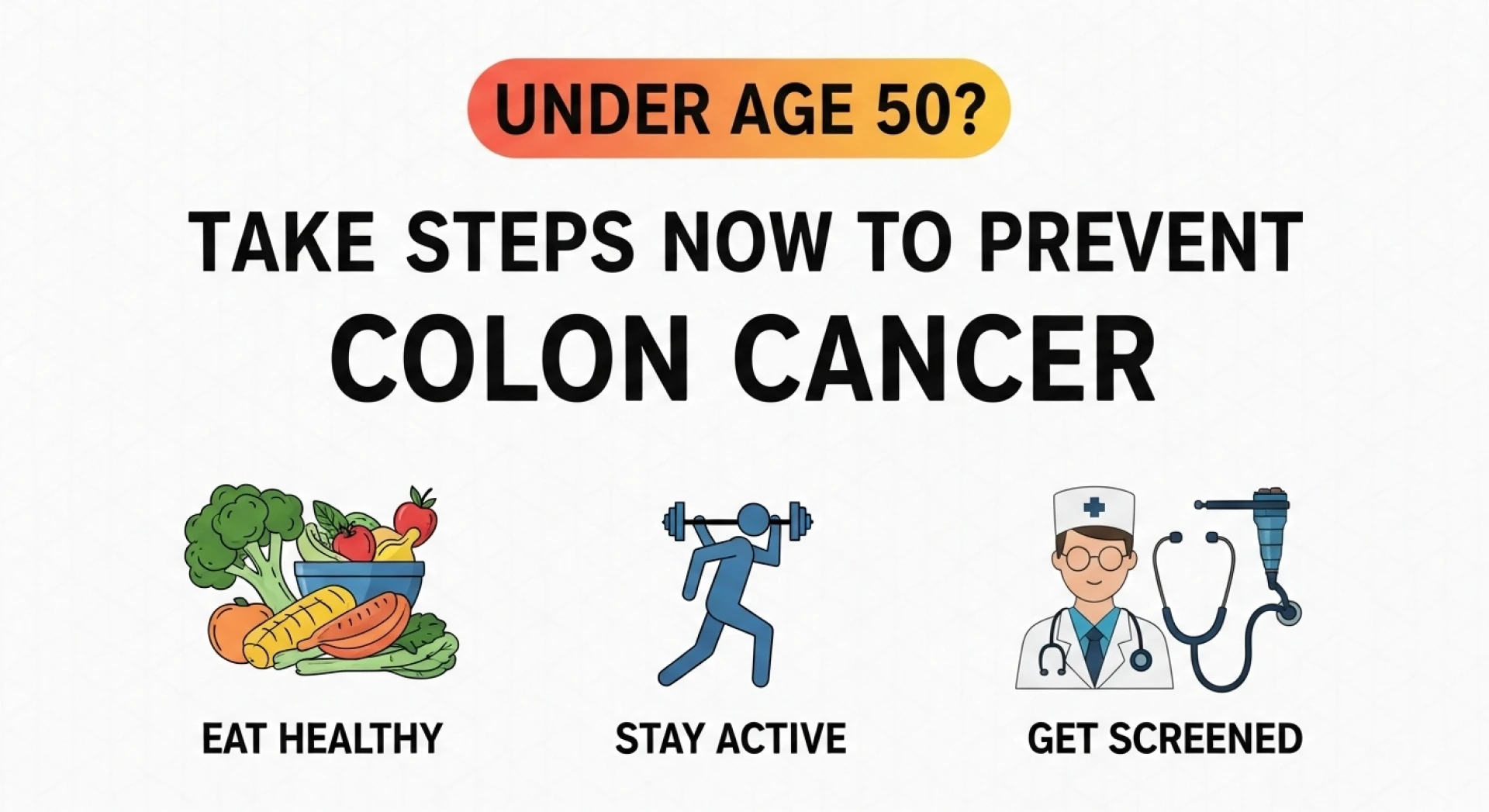
Healthy habits may help lower colorectal cancer risk. A healthy diet that includes vegetables, fruits, whole grain fiber, and is low in fats is associated with a lower risk of colon cancer. Avoiding tobacco and heavy alcohol use can decrease the risk of colorectal cancer. Regular physical activity and maintaining an average body weight are beneficial as well.
Now, that you know these important facts, you must understand the significance of colonoscopy screening and schedule a consultation today.
Preventing Colon Cancer
Preventing colon cancer involves a combination of regular screenings, a healthy diet, and lifestyle changes. Here are some key strategies:
Colonoscopy Screening
Colonoscopy screening is the primary and most effective method for detecting colorectal cancer early. During a colonoscopy, a gastroenterologist uses a flexible tube with a camera to examine the entire colon and rectum for polyps or abnormal growths. These polyps can be precancerous, and removing them during a colonoscopy can prevent them from developing into cancer.
The major benefits of colonoscopy are:
Early Detection: Colonoscopy allows for the early detection of colorectal cancer, which is crucial because early-stage cancer is more treatable and has a higher survival rate.Polyp Removal: During the procedure, any detected polyps can be removed, significantly reducing the risk of cancer development.Peace of Mind: Regular screenings provide reassurance and can alleviate the anxiety associated with the unknown.
Diet and Nutrition
A healthy diet plays a significant role in preventing colon cancer. Consider the following for colon cancer diet for prevention:
High Fiber: Consuming a diet rich in fruits, vegetables, and whole grains can help maintain a healthy digestive system and reduce the risk of cancer.Limit Red and Processed Meats: High consumption of red and processed meats has been linked to an increased risk of colorectal cancer. Aim to limit these in your diet.Healthy Fats: Opt for healthy fats like those found in nuts, seeds, and fish, and reduce intake of saturated and trans fats.Eat Plenty of Fruits and Vegetables: These foods are rich in vitamins, minerals, and antioxidants that help protect against cancer. Aim for at least five servings per day.Whole Grains: Include whole grains like brown rice, quinoa, and oats in your diet. They provide essential fiber and nutrients that support colon health.Calcium and Vitamin D: Adequate intake of calcium and vitamin D has been associated with a lower risk of colorectal cancer. Dairy products, leafy greens, and fortified foods are good sources.
Lifestyle Choices
Regular Exercise: Physical activity can help maintain a healthy weight and reduce the risk of colon cancer. Aim for at least 150 minutes of moderate exercise per week.Avoid Smoking and Limit Alcohol: Smoking and excessive alcohol consumption are risk factors for colorectal cancer. Quitting smoking and moderating alcohol intake can significantly reduce your risk.Maintain a Healthy Weight: Obesity is linked to a higher risk of colorectal cancer. Maintaining a healthy weight through diet and exercise is crucial for prevention.
Colonics vs. Colonoscopy: Understanding the Difference
Many people wonder if colonics prevent colon cancer and how effective it is in comparison to colonoscopy. Here's a breakdown:
Colonics
Colonics, also known as colon hydrotherapy, involve flushing the colon with water to remove waste and toxins. While proponents claim various health benefits, including improved digestion and detoxification, there is no scientific evidence supporting the effectiveness of colonics in preventing colon cancer. In fact, frequent colonics can disrupt the natural balance of the gut microbiome and potentially cause harm.
Colonoscopy
In contrast, a colonoscopy is a medically recognized procedure performed by a gastroenterologist. It is specifically designed to detect and prevent colorectal cancer by identifying and removing polyps. Unlike colonics, colonoscopy has been proven to reduce the incidence and mortality of colorectal cancer.
In summary, while colonics may have some perceived benefits, they do not prevent colon cancer. Colonoscopy remains the gold standard for detection and prevention.
Finding Gastroenterology Physicians Near Me: Scheduling a Consultation at GATGI
If you are considering scheduling a colonoscopy or have concerns about colorectal health, it is essential to find a qualified gastroenterologist. For those living in Virginia Beach, the best team is available at GATGI. We are experienced gastrologists in Virginia Beach offering tailored treatment and comprehensive care to serve your specific needs. Schedule a consultation with our professionals today!





























Sign in to leave a comment.