
Introduction
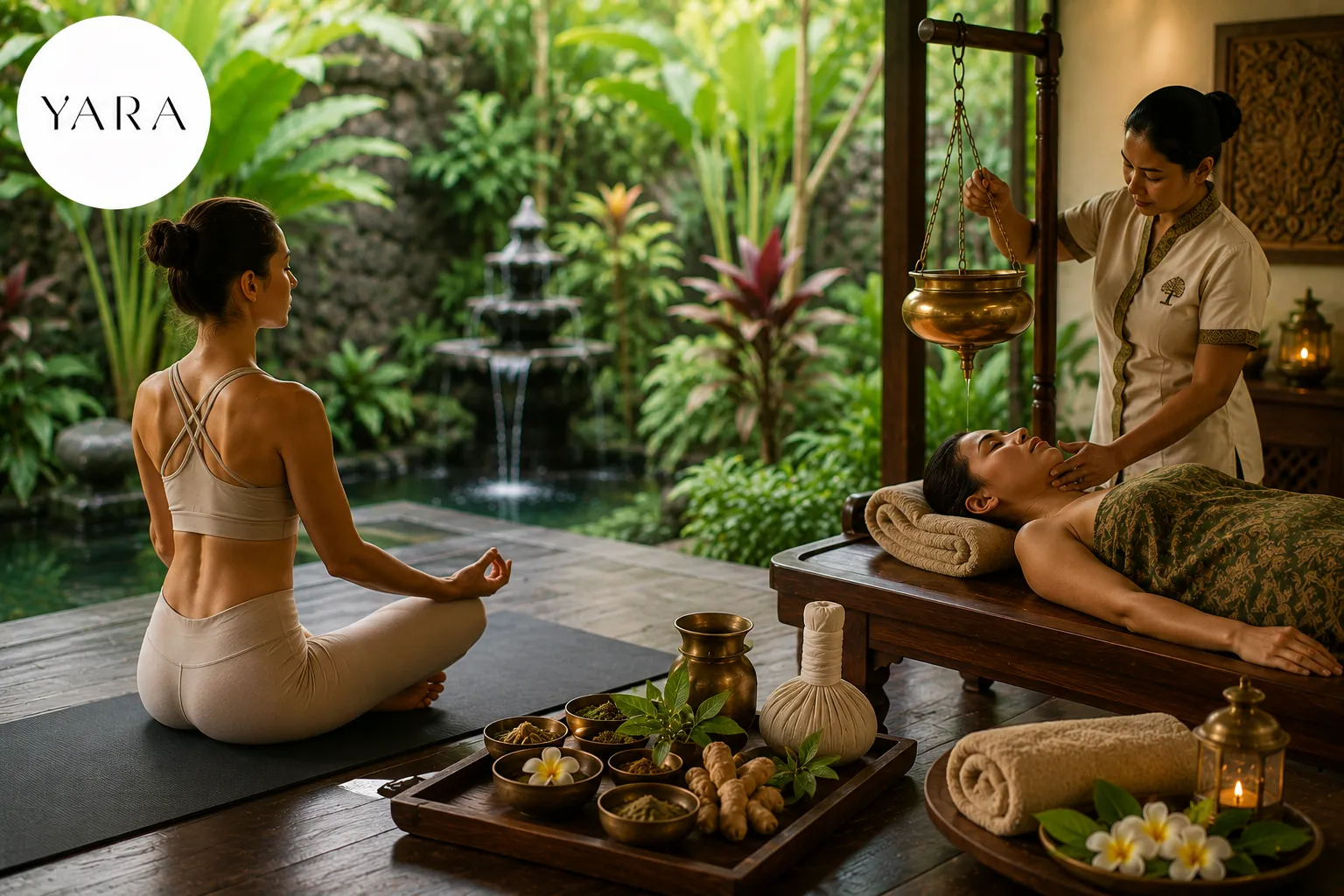
Nearly every retreat offering Panchakarma therapy in Bali also advertises daily yoga sessions, and it's easy to assume the two are simply bundled together for marketing appeal. In reality, the relationship between them is more nuanced than a standard wellness package.
Yoga and Panchakarma both originate from the same broader tradition, and when paired thoughtfully, they can genuinely complement each other. But that doesn't mean more yoga always means better results, particularly during certain phases of a detoxification program.
This guide breaks down where yoga actually supports Panchakarma treatment in Bali, where it can work against the process, and how to think about combining the two if you're planning your own Ayurvedic retreat in Bali.
Why These Two Practices Are Often Paired
Yoga and Ayurveda share deep historical roots, both emerging from the same broader philosophical tradition in ancient India, which is part of why they're so frequently offered together at retreats today.
A Shared Philosophy, Different Focus
Ayurveda focuses primarily on physical balance through diet, herbs, and specific therapies. Yoga, while it includes physical postures, is traditionally oriented more toward breath, mental clarity, and subtle energy movement. Together, they address the body and mind from complementary angles rather than duplicating the same work.
Where Yoga Genuinely Supports Panchakarma Therapy
There are specific, practical ways that a thoughtfully designed yoga practice can enhance a Panchakarma program rather than simply running alongside it.
Supporting Circulation and Lymphatic Movement
Certain yoga poses, particularly gentle twists and forward folds, are traditionally believed to support circulation and lymphatic drainage, which aligns with Panchakarma's broader goal of helping the body eliminate accumulated toxins more effectively.
Calming the Nervous System During Detox
The core detoxification phase of Panchakarma treatment in Bali can bring on fatigue or emotional release as the body processes deeper cleansing. Gentle, restorative yoga and breathwork can help regulate the nervous system during this period, making the process feel more manageable.
Reinforcing Mindful Awareness Around Diet and Routine
Yoga's meditative components often help guests stay present and intentional throughout a retreat, which supports the disciplined dietary and lifestyle changes that Panchakarma requires, both during and after the program.
Where Yoga Can Work Against the Process
This is the part most retreat marketing conveniently leaves out. Not every type or intensity of yoga is appropriate throughout every phase of Panchakarma therapy.
The Problem With Vigorous Practice During Core Detox
Intense styles like power yoga or vigorous vinyasa flows generate significant physical exertion and heat in the body. During the core detoxification phase of Panchakarma, when the body is already working hard to process and eliminate toxins, this kind of intensity can add unnecessary strain rather than support the process.
Overexertion Can Undermine Rest-Focused Recovery
Panchakarma's Paschat Karma, or recovery phase, specifically calls for rest and gentle reintegration. A demanding yoga schedule during this window can work directly against what the body actually needs at that stage.
One-Size-Fits-All Yoga Scheduling Ignores Individual Needs
Retreats offering the exact same yoga schedule to every guest, regardless of where they are in their Panchakarma program or what their dosha-specific needs call for, are missing an opportunity to genuinely integrate the two practices thoughtfully.
How a Well-Designed Program Actually Sequences the Two
A retreat that understands both disciplines properly will adjust yoga intensity and style based on where you are in your Panchakarma treatment in Bali, not offer a fixed daily class regardless of phase.
A General Framework Some Retreats Follow
| Panchakarma Phase | Appropriate Yoga Style | Why |
| Purva Karma (Preparation) | Gentle, moderate practice | Body is still building toward the core detox phase |
| Pradhana Karma (Core Detox) | Very gentle, restorative, or minimal practice | Body needs energy for elimination, not exertion |
| Paschat Karma (Recovery) | Slow reintroduction of gentle movement | Supports gradual reintegration without overloading the system |
This isn't a universal rule applied identically everywhere, but it reflects the general logic that a properly integrated program should follow.
Yoga Styles Most Compatible With Panchakarma
If you're specifically looking for a retreat that pairs yoga thoughtfully with Ayurvedic healing therapies in Bali, certain styles tend to align better than others.
Generally Well-Suited Styles
- Restorative yoga: Long-held, supported poses that emphasize deep rest
- Yin yoga: Slow, passive stretches that support the nervous system without exertion
- Gentle Hatha: Basic postures with an emphasis on breath and alignment rather than intensity
- Pranayama (breathwork): Often more valuable than physical postures during intensive detox phases
Styles Generally Best Avoided During Core Detox
- Power yoga or vigorous vinyasa flows
- Hot yoga, given the added heat and exertion during a period when the body is already working to eliminate toxins
- Any class emphasizing intense physical challenge over rest and awareness
Questions Worth Asking a Retreat About Their Yoga Integration
- Does the yoga schedule change based on which phase of Panchakarma I'm currently in?
- What style of yoga is offered during the core detoxification days specifically?
- Is participation in yoga sessions optional, or is it built rigidly into the daily schedule regardless of how I'm feeling?
- Does the instructor coordinate directly with the Ayurvedic practitioner overseeing my treatment?
A retreat that can answer these specifically is far more likely to be genuinely integrating the two practices rather than offering yoga as a separate, disconnected amenity.
Practical Takeaways
- Yoga can meaningfully support Panchakarma therapy in Bali when its intensity is matched to your current treatment phase.
- Avoid vigorous or heat-based yoga styles during the core detoxification phase specifically.
- Prioritize retreats that adjust their yoga offering based on individual needs rather than running a fixed daily class for everyone.
- Consider breathwork and restorative practices as valuable alternatives to physical postures during more intensive treatment days.
- Don't feel obligated to attend every scheduled yoga session; listening to your body's energy levels matters more than program attendance.
Conclusion
Yoga and Panchakarma treatment in Bali can genuinely enhance each other, but only when the pairing is thoughtfully designed rather than simply bundled together for marketing appeal. Gentle, restorative practices tend to support the detoxification process well, while vigorous styles can work against it during the more intensive phases.
The best programs adjust yoga intensity to match where you actually are in your Panchakarma journey, rather than offering the same schedule to every guest regardless of their individual needs.
Exploring a Program That Integrates Both Thoughtfully?
If you're considering an Ayurvedic retreat in Bali that combines yoga with Panchakarma therapy, it's worth asking directly how the schedule adjusts across treatment phases before booking your program.
Frequently Asked Questions
Does yoga actually enhance Panchakarma therapy results? It can, particularly gentle and restorative styles that support circulation and nervous system regulation, though intensity should be matched to your current phase of treatment.
Should I do vigorous yoga during Panchakarma treatment in Bali? Generally, no. Vigorous or hot yoga styles can add unnecessary strain during the core detoxification phase, when the body needs energy for elimination rather than exertion.
What type of yoga is best during the recovery phase of Panchakarma? Gentle, restorative practices and breathwork are generally better suited to the recovery phase, supporting the body's gradual reintegration rather than adding physical demand.
Is it necessary to do yoga at all during a Panchakarma program? No, yoga is a complementary practice rather than a required component, and participation should be based on how you're feeling rather than treated as a mandatory part of the schedule.
How do I know if a retreat integrates yoga and Panchakarma thoughtfully? Ask whether the yoga schedule adjusts based on your current treatment phase and whether the instructor coordinates with the Ayurvedic practitioner overseeing your program.

























Sign in to leave a comment.