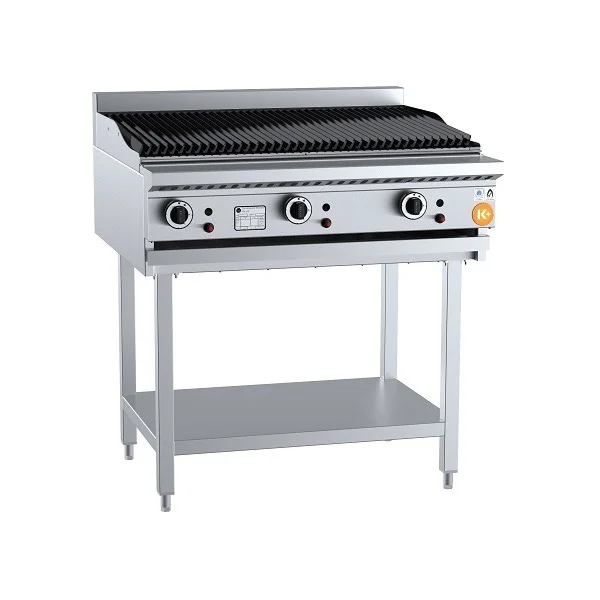

When chefs talk about flavour, the conversation often heats up around the commercial charbroiler versus the traditional open flame grill. Both create mouth-watering sear and aroma, but their performance in a fast-paced commercial kitchen can differ dramatically.
This guide highlights the key differences in flavour delivery, heat control, safety, and commercial compliance, helping operators choose the right setup for their menu and venue.
Why Commercial Charbroilers Lead in Modern Professional Kitchens
Commercial charbroilers are designed for efficiency and consistency. Gas burners sit beneath cast iron grates or ceramic briquettes, generating radiant heat that spreads evenly across the cooking surface. When service gets busy, this consistency matters.
Key advantages of commercial charbroilers
- Precise and reliable heat control
- Fast recovery times for high-volume service
- Strong sear and caramelisation with clean char lines
- Reduced smoke and fewer flare-ups
- Suitable for indoor kitchens with correct ventilation
- Cleaner operation for kitchen staff
Many operators choose charbroilers for burgers, steaks, skewers, chicken and seafood dishes because they produce the presentation and flavour diners expect without sacrificing speed.
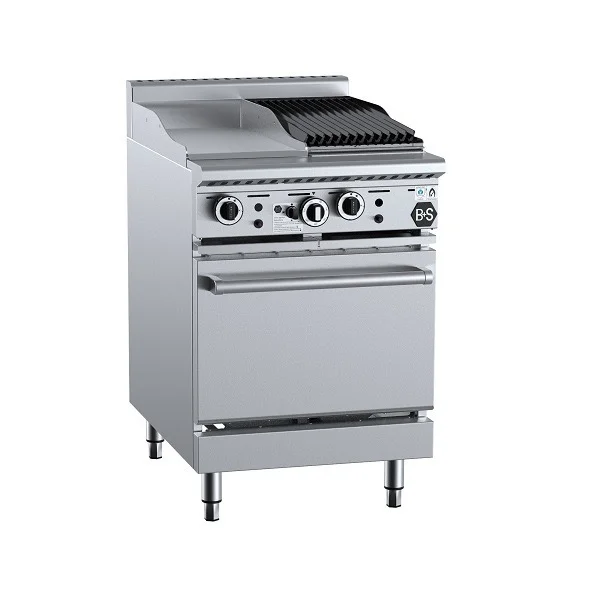
Commercial-grade units available from Caterware are built from durable stainless steel and engineered to meet Australian gas compliance requirements, making them a dependable choice for new fit-outs and upgrades.
The Appeal and Challenges of Open Flame Grilling
Cooking directly over fire offers theatre and taste that guests love. Fat dripping into flames creates a smoky flavour that is hard to replicate.
However, open flame comes with trade-offs:
- Fluctuating heat zones
- Higher risk of fire and scorching
- More demanding cleaning routines
- Complex ventilation requirements
- Often restricted or regulated indoors
For many venues, open flame setups are more suited to outdoor kitchens, pop-up environments or brands designed specifically around fire cooking.
Which Grill Type Suits Your Business Best
Here is a fast decision guide for operators:
Venue TypeRecommended Grill StyleReasonFast casual burger and steak venuesCommercial charbroilerConsistency and speedFine diningCharbroiler with briquettesMaximum flavour with controlOutdoor caterers and food trucksOpen flameSuitable ventilationSkewer and kebab specialistsFlat top chargrill or charbroilerEven caramelisation
Charbroilers work effectively across a wider range of service environments and are easier to integrate into regulated commercial spaces.
Why This Choice Matters for Business Growth
Australia is experiencing continued strength in the hospitality sector, and venues are prioritising:
- Higher food consistency
- Faster cooking times
- Lower risk during operations
- Better compliance with fire systems
For long-term value, a commercial charbroiler is a future-ready investment that supports smooth kitchen performance day after day.
Top Questions from Grill Buyers
Is flavour weaker on a charbroiler compared to open flame?
No. Ceramic briquette and lava rock systems create excellent smoky character without overpowering burnt notes.
Is cleaning easier on a charbroiler?
Yes. Removable trays and modular grates speed up routine cleaning.
Can both grill types coexist in one kitchen?
Yes, provided layout and regulations allow. Many restaurants rely on charbroilers for everyday service and use open flame for special events or outdoor dining.
Are charbroilers safer to operate?
Yes. Commercial charbroilers are generally a safer indoor solution due to better flame containment and simpler ventilation integration.
Upgrade Your Grill Station with Expert Support
If you are planning a new venue or upgrading your existing equipment, the right choice of commercial charbroiler can improve efficiency, consistency and kitchen safety.
The team at Caterware can help you select the ideal model for your cooking style, space and compliance requirements. Their commercial charbroiler range is designed for high demand kitchens and supported locally for total peace of mind.
For product recommendations and personalised support, you can contact Caterware to speak with an equipment specialist today.



























Sign in to leave a comment.