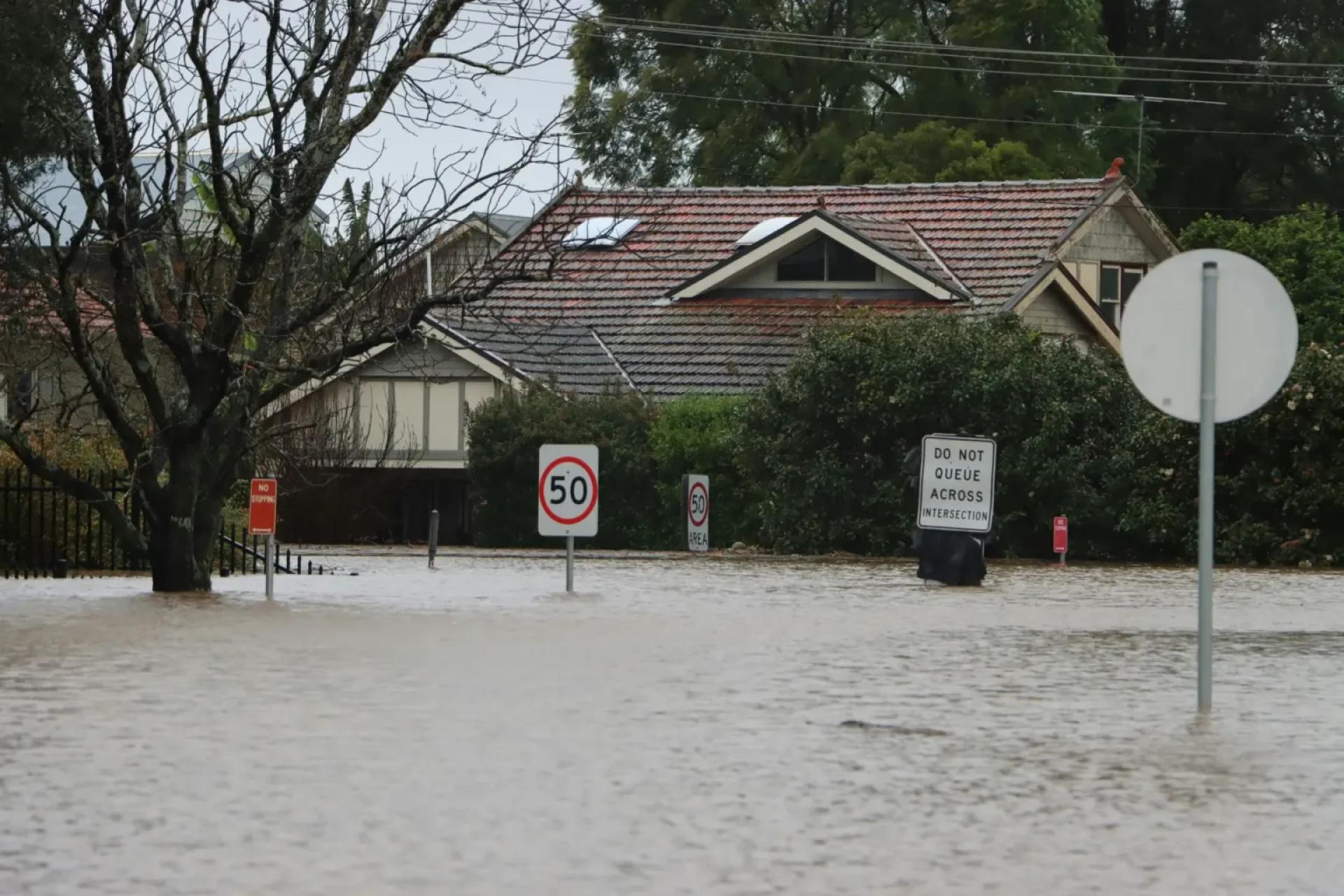

Flooding rarely waits for business hours. A storm can hit at midnight, a pipe can burst after everyone has gone to bed, and a leaking roof can escalate from a drip to a dangerous situation within minutes. Overnight flood emergencies are unavoidable, but the way they are handled makes a dramatic difference to the final outcome.
This guide explains what homeowners should expect when professional help arrives in the early hours, and why acting immediately is key to avoiding long term damage.
Rapid Assessment and Water Extraction
The first priority on arrival is to stop the source of water if it is still flowing. This may involve shutting off a burst pipe, covering a leaking roof or isolating electrical hazards. Once the property is safe, technicians remove standing water using commercial extraction systems.
Immediate extraction prevents water from spreading into:
- Carpet underlay
- Timber floors
- Wall cavities
- Insulation
- Electrical components
Reducing water absorption early limits the work required later and increases the chance of saving flooring and furniture.
Detecting Hidden Moisture
Once visible water is under control, the team identifies where moisture has moved beyond the surface. This typically includes:
- Thermal imaging to locate damp materials inside walls
- Moisture meter readings to monitor structural saturation
- Contamination checks, especially when floodwater has entered from outdoors
This step also provides documentation required by insurance providers.
Preventing Structural and Mould Damage
Drying begins immediately using high powered air movers and industrial dehumidifiers. This equipment usually operates continuously for two to five days with daily adjustments to ensure progress.
To protect air quality and prevent mould development, surfaces are treated with antimicrobial solutions. Contaminated items such as heavily soaked insulation may be removed if needed.
If mould is already beginning to form, technicians can provide mould removal services to ensure a safe environment.
Follow Up After the Initial Visit
Flood recovery does not end when the team leaves in the early hours. Over the next few days, the assigned technician typically returns to:
- Confirm safe moisture levels
- Adjust or remove drying equipment
- Provide progress updates
- Manage repairs where required
Accurate documentation ensures insurance claims are processed smoothly and prevents issues with hidden moisture or structural deterioration later.
Why Homeowners Turn to Overnight Specialists
Not all contractors are equipped or available to respond after hours. Providers offering emergency flood services operate 24 hours a day and arrive prepared to act immediately rather than simply inspect and schedule a return visit.
Waiting until morning can result in:
- Mould growth within 24 to 48 hours
- Sagging ceilings or wall collapse
- Swollen timber framing
- Electrical faults
- Larger insurance claims and higher excess costs
Speed is critical for both safety and cost control.
Common Questions During a Night Flood Emergency
How quickly can a technician arrive?
Often within one to four hours depending on location and access conditions.
Is it safe to stay in the home?
It depends on contamination, electrical safety and whether structural elements are compromised.
Will carpet and flooring be saved?
Early extraction and drying significantly increase salvageability.
Will insurance pay for the work?
Most policies cover sudden water damage when properly documented.
What should be done before help arrives?
If safe, isolate power in affected rooms and keep people away from flooded spaces.
Flooding Is Urgent. Help Should Be Too.
A night time flood emergency can feel overwhelming, but support is available when needed most. Professional intervention protects your home and reduces replacement costs by addressing hidden moisture before it turns into structural damage.
If you need immediate assistance, you can contact The Mould Network to be connected with a trained emergency flood technician who is available at any hour.






























Sign in to leave a comment.