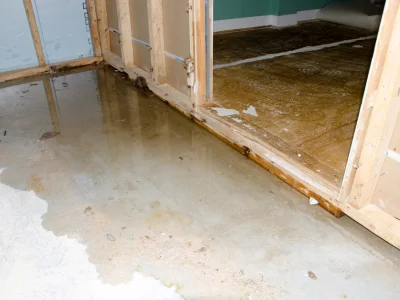

Floodwater inside a home is not just inconvenient. It can penetrate floors, weaken structures and trigger mould in as little as 24 to 48 hours. Flood-related damage in Australia continues to rise every year, affecting thousands of homes and costing billions in repairs.
During those first chaotic moments, what homeowners do next matters. These expert-approved flood response actions can protect your home, reduce restoration costs and keep occupants safe.
Why Time Matters in a Flood
Water travels fast through flooring and wall cavities. Within the first hour, structural materials begin absorbing significant moisture. Adhesives break down, timber swells and underlay retains water even when the carpet surface looks dry. Without immediate intervention, damage becomes much more severe and expensive.
9 Critical Flood Response Tips Used by Emergency Pros
1. Stop the water immediately
Turn off household mains if plumbing caused the flood. Block visible points of intrusion if stormwater is the source. The faster water stops, the less damage spreads.
2. Photograph everything before cleanup
Document flooring, furniture, walls and every affected area. This supports insurance claims and helps determine what can be salvaged.
3. Remove standing water now, not later
Water left sitting will migrate downward. Professional water extraction experts use commercial pumps to remove water quicker than DIY options ever could.
4. Check for hidden moisture
Just because surfaces feel dry does not mean the materials underneath are. Moisture hides beneath carpet and behind plasterboard. Professionals locate these wet zones before mould begins forming unseen.
5. Begin structural drying straight away
Air movers and dehumidifiers push moisture out of timber, concrete and wall cavities. Routine monitoring ensures moisture returns to safe levels throughout the building.
6. Sanitize everything affected
Even clean-looking floodwater may contain harmful bacteria or chemicals. Antimicrobial treatment is important to prevent health issues and to support insurance compliance.
7. Purify indoor air
Damp conditions create airborne contaminants that cause respiratory problems. HEPA filtration removes mould spores while odour control neutralises persistent smells.
8. Inspect HVAC before turning it back on
If ducts or vents are exposed to moisture, they can redistribute mould throughout the home. Professional checks keep the system safe to operate.
9. Confirm dryness with final testing
Moisture verification ensures the property is restored fully. This step is often required by insurers to close out claims and prevent future complications.
What Happens When Extraction is Delayed
Damage escalates every day it is ignored:
• First 24 hours: moisture rapidly absorbs into walls and flooring
• After 48 hours: mould colonisation begins
• Three to seven days: structural and health risks become significant
• Longer delays: full replacement of major building materials is common
Fast action keeps costs and risks under control.
Who Should Handle Flood Cleanup?
Flood damage involves safety, microbial risk and hidden water pathways. Professional restoration specialists:
• Extract water using high-capacity vacuums and pumping equipment
• Perform moisture mapping to uncover trapped water
• Set up drying systems that restore materials properly
• Provide documentation required by most insurers
Through The Mould Network, property managers and homeowners can access vetted flood service providers who deliver compliant and rapid remediation.
When It Is Time to Call an Expert
Professional intervention is strongly recommended when:
• Water has spread into multiple rooms
• Carpet underlay or timber flooring is soaked
• There is a musty odour or visible mould
• Someone in the home has asthma or allergies
• Underfloor or wall cavities are suspected to be wet
• Drying is not complete within 24 hours
Waiting too long makes the event far more intrusive and costly.
Protect Your Home Before Damage Spreads
Flood emergencies demand rapid action. Following these nine professional steps keeps homes safer, speeds up insurance approval and helps protect long-term indoor air quality.
If flooding has already occurred, residents and landlords can book emergency flood services to secure rapid extraction and structural drying while maintaining compliance and documentation.



























Sign in to leave a comment.