

So, what exactly are commercial clearances? Well, think of it as a big spring clean, but for businesses. Commercial clearances involve the removal of unwanted items, equipment, and waste from commercial properties. Whether you\'re moving offices, downsizing, or simply decluttering, a commercial clearance ensures your workspace is neat, safe, and compliant with regulations.
Importance of Commercial Clearances
Commercial clearances aren\'t just about getting rid of junk; they play a crucial role in maintaining a productive and safe working environment. By regularly clearing out old or unnecessary items, businesses can optimise their space, ensure health and safety compliance, and demonstrate a commitment to environmental responsibility.
Types of Commercial Clearances
Office Clearances
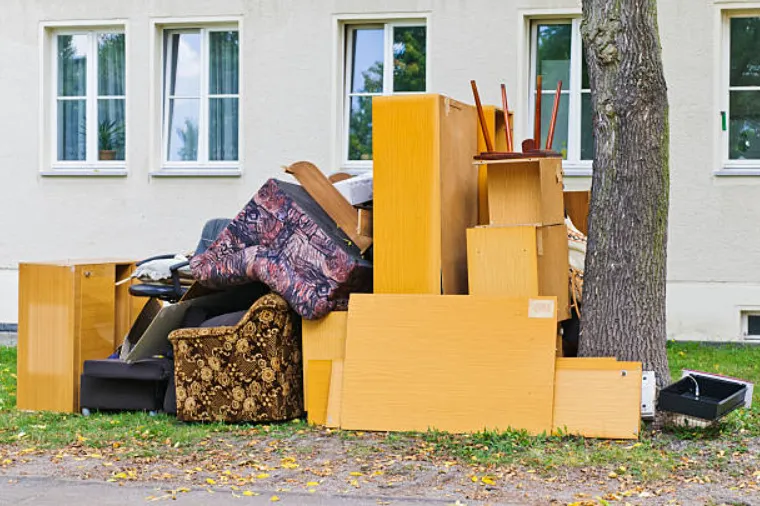
Office clearances are perhaps the most common type of commercial clearance. They involve the removal of office furniture, IT equipment, documents, and other items that are no longer needed.
Retail Clearances
Retail clearances are essential for stores undergoing refurbishment, closing down, or relocating. These clearances deal with the removal of display units, stock, shelving, and more.
Warehouse Clearances
Warehouses often accumulate a significant amount of waste and unwanted items over time. Warehouse clearances ensure that the space remains organised and operational.
Industrial Clearances
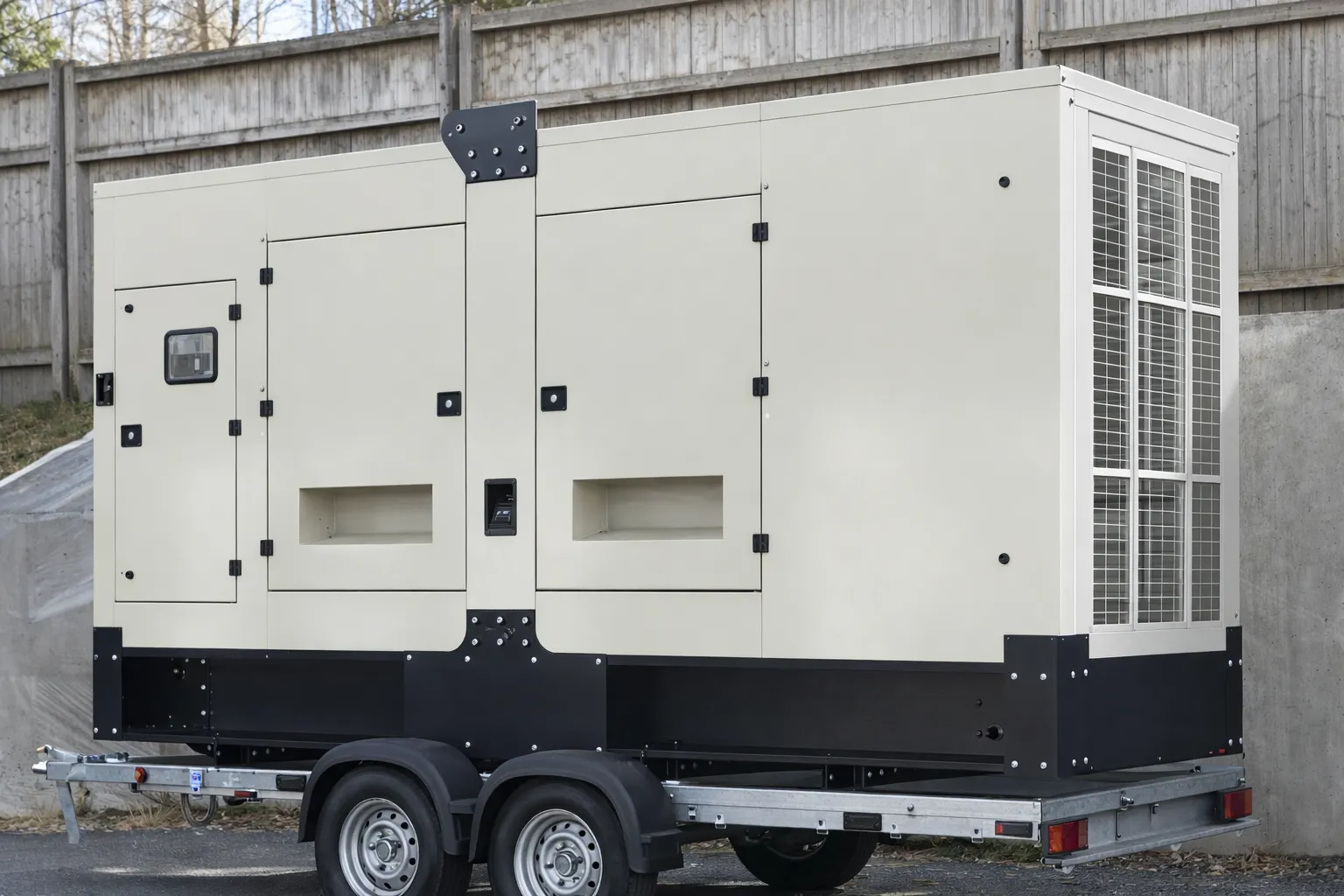
Industrial clearances are more complex, involving the removal of machinery, hazardous materials, and large volumes of waste. These clearances require specialised knowledge and equipment.

Why Businesses Need Commercial Clearances
Efficient Space Management
Over time, businesses accumulate a lot of stuff. Regular clearances help manage this clutter, ensuring that valuable space is used effectively.
Health and Safety Compliance
Cluttered workplaces can be hazardous. By removing unnecessary items, businesses can reduce the risk of accidents and ensure compliance with health and safety regulations.
Environmental Responsibility
Proper disposal and recycling of waste materials demonstrate a business\'s commitment to environmental sustainability. This not only helps the planet but also enhances the company\'s reputation.
Preparation for Relocation
Moving to a new location is a massive task. Commercial clearances ensure that only necessary items are moved, making the relocation process smoother and more efficient.
The Commercial Clearance Process
Initial Consultation and Assessment
The first step in any commercial clearance is a thorough assessment. This involves evaluating the items to be cleared and understanding the specific needs of the business.
Planning and Coordination
A detailed plan is created, outlining the steps involved in the clearance process. This ensures that everything runs smoothly and on schedule.
Execution and Removal
The actual removal of items is carried out efficiently, with minimal disruption to the business\'s operations.
Disposal and Recycling
Items are disposed of responsibly, with recyclable materials being sent to appropriate facilities. This step is crucial for maintaining environmental standards.
Choosing a Commercial Clearance Company
Key Qualities to Look For
When selecting a commercial clearance company, it\'s important to look for reliability, professionalism, and a proven track record.
Importance of Experience and Expertise
Experience matters. Companies with extensive experience in commercial clearances are better equipped to handle the complexities of the process.
Customer Reviews and Testimonials
Customer reviews provide valuable insights into a company\'s performance. Positive testimonials indicate a high level of customer satisfaction.
Benefits of Hiring Professionals for Commercial Clearances
Time and Cost Efficiency
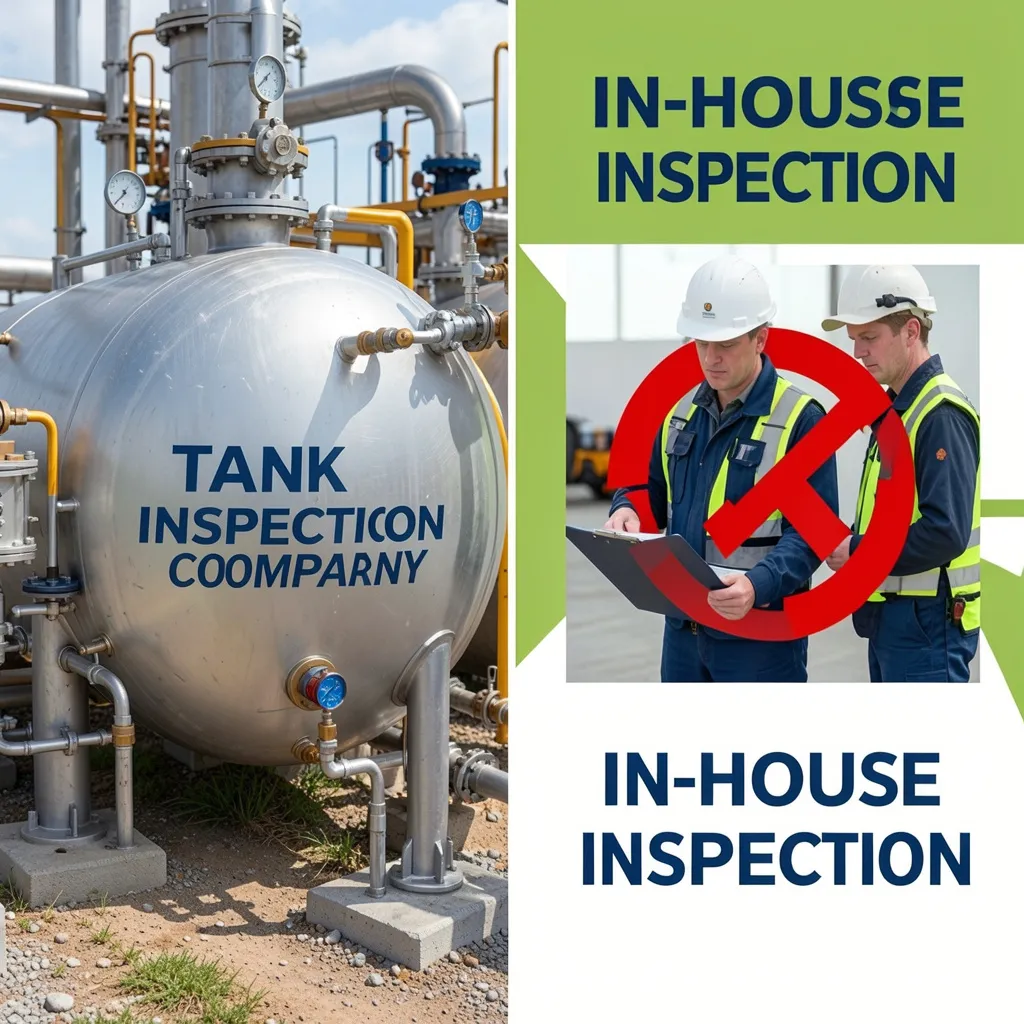
Professional clearance companies can complete the job faster and more efficiently than an in-house team, saving both time and money.
Compliance with Regulations
Experienced companies are familiar with local regulations and ensure that all clearances are conducted in compliance with these rules.
Stress Reduction
Letting professionals handle the clearance process allows business owners and employees to focus on their core activities, reducing stress and disruption.
Environmental Impact of Commercial Clearances
Sustainable Disposal Practices
Responsible clearance companies prioritise sustainable disposal practices, ensuring that waste is disposed of in an environmentally friendly manner.
Recycling and Upcycling Initiatives
Many items removed during clearances can be recycled or upcycled, reducing the amount of waste sent to landfills.
Challenges in Commercial Clearances
Handling Hazardous Materials
Certain clearances involve hazardous materials, which require specialised handling and disposal methods.
Managing Large Volumes of Waste
Large-scale clearances can generate significant amounts of waste, which must be managed effectively to avoid disruptions.
Coordinating with Multiple Stakeholders
Clearances often require coordination with various stakeholders, including building managers, employees, and disposal facilities.
Future Trends in Commercial Clearances
Technological Innovations
Advancements in technology, such as AI and automation, are set to revolutionise the commercial clearance industry.
Increasing Focus on Sustainability
Sustainability is becoming a key focus, with more businesses prioritising eco-friendly clearance practices.
Evolving Business Needs
As business needs evolve, so too will the services provided by commercial clearance companies, ensuring they remain relevant and effective.
DIY vs Professional Commercial Clearances
Pros and Cons of DIY Clearances
While DIY clearances might save money, they often lack the efficiency and compliance of professional services.
When to Consider Professional Help
For large-scale or complex clearances, professional help is usually the best option to ensure the job is done correctly.
Tips for Smooth Commercial Clearances
Effective Planning
Plan ahead to ensure the clearance process is efficient and hassle-free.
Clear Communication
Maintain clear communication with all stakeholders to avoid misunderstandings and delays.
Keeping Track of Inventory
Keep a detailed inventory of items being cleared to ensure nothing important is lost or overlooked.
Common Misconceptions About Commercial Clearances
Costs and Expenses
Many businesses overestimate the costs of professional clearances, not realising the long-term savings they offer.
Time Requirements
Professional clearances can be completed quickly and efficiently, minimising downtime.
Environmental Impact
Far from being environmentally harmful, many commercial clearances prioritise sustainable disposal and recycling practices.
Conclusion
Commercial clearances are an essential aspect of maintaining an efficient, safe, and sustainable business environment. By understanding the process and benefits, businesses can make informed decisions about when and how to undertake clearances. Whether it\'s an office, retail space, warehouse, or industrial site, professional clearance services ensure a smooth and stress-free experience.
FAQs About Commercial Clearances
Q: What Does a Commercial Clearance Include?
A: A commercial clearance typically includes the removal and disposal of unwanted items, cleaning, and ensuring the space is left ready for its next use.
Q: How Long Does a Commercial Clearance Take?
A: The duration varies depending on the size and complexity of the clearance, but most professional services aim to complete the job as quickly and efficiently as possible.
Q: Can We Stay Operational During Clearance?
A: Yes, many companies offer services that minimise disruption, allowing businesses to continue operating during the clearance process.
Q: What Happens to the Cleared Items?
A: Cleared items are sorted for recycling, donation, or disposal, with a focus on sustainable and responsible practices.
Q: How to Prepare for a Commercial Clearance?
A: Preparation involves planning, clear communication with the clearance company, and ensuring that all valuable or sensitive items are accounted for.























Sign in to leave a comment.