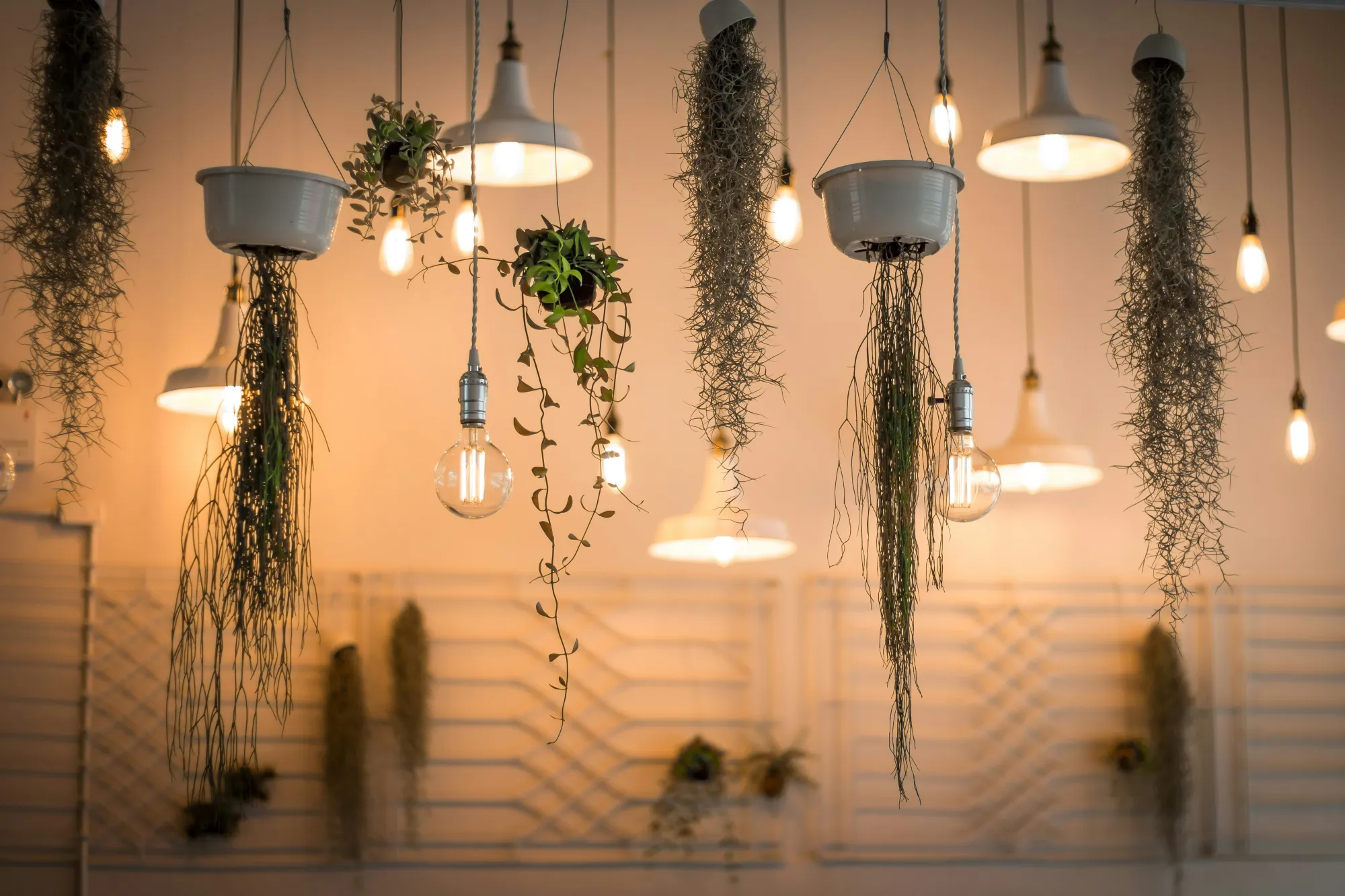

Every year, NJ business owners lose thousands of dollars, void warranties, and miss out on rebate money, all because they skipped one step: hiring a licensed commercial electrician. This guide breaks down exactly why a DIY LED upgrade sounds like a smart move but often becomes the most expensive decision you make for your building.
Why NJ Business Owners Are Upgrading to Commercial LED Lighting Right Now
New Jersey utilities like PSE&G and JCP&L have made commercial LED lighting upgrades one of the most financially rewarding moves a business owner can make. Between rising energy costs, state-backed incentive programs, and tightening building codes, the timing has never been better.
But here is the part most articles skip. The rebates, the savings, and the code compliance all depend on one thing: a properly licensed commercial electrician completing the installation. Without that, you are flying blind and flying toward potential fines.
What Happens When You DIY a Commercial LED Upgrade
Let us walk through what actually goes wrong with a DIY LED install in a commercial setting. This is not about homeowner light bulbs. Commercial buildings have three-phase power systems, dedicated circuits, and specific amperage requirements. One wrong connection does not just flip a breaker. It creates fire risk, equipment damage, and liability exposure.
RISK ALERT
In New Jersey, any electrical work on a commercial property above 20 amps requires a licensed electrician and a permit. A failed inspection can halt your operations, trigger OSHA involvement, and invalidate your property insurance.
The Three Hidden Risks Nobody Talks About
Permit and Code Violations
- NJ Title 54 requires permits for commercial electrical work
- Unpermitted work can lead to stop work orders
- Retroactive fines can exceed the cost of the job itself
- Re-inspection costs add up fast
Lost Rebate Money
- PSE&G and JCP&L rebates require licensed contractor sign-off
- Paperwork errors disqualify applications entirely
- Commercial lighting rebates often range from $500 to $15,000
- Missed deadlines cannot be appealed
Voided Warranties
- Most LED fixture warranties require licensed install
- Driver failures from improper wiring are not covered
- Manufacturer can deny claims within 30 days
- Premature failure means you pay twice
What a Commercial Electrician Handles
- Full permit application and inspection coordination
- Load analysis and circuit verification
- Rebate documentation and utility submission
- Warranty-compliant installation on every fixture
Understanding the Commercial Lighting Rebate Process in NJ
A commercial lighting rebate from a NJ utility is not automatic. It is a multi-step process that requires documentation, pre-approval in many cases, and post-installation verification. A licensed commercial electrician who handles rebate processing regularly knows what utilities actually want to see, and they know how to get it done the first time.
- Site Assessment
Your electrician documents existing fixture types, wattage, and hours of operation to establish a baseline for rebate calculation.
- Pre-Approval Submission
For large commercial spaces, utilities require pre-approval before work starts. Miss this step, and your rebate is gone, regardless of how good the install is.
- Energy Efficient Lighting Installation
The actual energy efficient lighting upgrade is completed under permit, with all fixture data logged for the rebate claim.
- Post-Install Verification
The utility or a third-party inspector verifies the work. Only a code-compliant installation passes this stage.
- Rebate Processing
Rebate processing begins after verification and approval. Typical timeline is 6 to 12 weeks from submission.
Energy Efficient Lighting: The Numbers That Actually Matter for Your Business
Switching to energy efficient lighting in a commercial building is not just about being green. It is about operating cost reduction that shows up on your monthly utility bill for the next 10 to 15 years.
A typical 10,000 sq ft NJ commercial space running T8 fluorescents might spend $1,400 a month on lighting energy alone. A properly designed commercial LED lighting system installed by a licensed commercial electrician can cut that to under $500 per month. That is over $10,000 a year back in your operating budget, and with rebates, the payback period often falls under 18 months.
Get a Free LED Lighting Assessment for Your NJ Property
Our licensed commercial electricians handle the full process: assessment, permits, installation, and rebate submission. No guesswork. No code violations.
Talk to a Commercial Electrician
Commercial Electricians vs DIY: A Straightforward Cost Comparison
People choose DIY because they think it saves money. Here is what the full picture actually looks like when you run the numbers on a 5,000 sq ft warehouse upgrade.
The DIY route might cost $4,200 in fixtures and materials up front. But add permit violations at $800, a re-inspection fee, lost rebate of $6,500 that required a licensed contractor to claim, and one fixture failure not covered by warranty, and your "savings" become a $9,000 loss.
A licensed commercial electrician handling the same job costs $3,800 in labor, but they capture the full rebate, pass inspection on the first visit, and protect your warranty. Net cost after rebate: under $1,500. The math is not close.
The Bottom Line: Commercial Electricians Protect Your Investment
Upgrading to commercial LED lighting is one of the smartest investments a NJ business can make right now. The energy savings are real, the rebates are real, and the operational benefits are long-lasting. But the only way to capture all of that value, without taking on legal, financial, and safety risk, is to work with a licensed commercial electrician who knows the rebate process, the permit requirements, and the installation standards that utilities and inspectors actually check.
Do not let a DIY shortcut cost your business a rebate check that could pay for the entire project. Call a licensed commercial electrician before you order a single fixture.
You're right! The FAQs are inside an interactive widget which doesn't allow text selection. Let me give you the FAQ content in plain text right here so you can copy it easily:
Q1: Do I need a permit for commercial LED lighting upgrades in NJ? Yes. Any commercial electrical work in New Jersey that involves circuit-level changes, new wiring, or panel modifications requires a permit and licensed electrician. Simple lamp swap-outs on existing sockets may not, but fixture replacements that touch wiring almost always do. A commercial electrician will know exactly what your project requires before work begins.
Q2: Can I still get a commercial lighting rebate if I do the install myself? In most cases, no. NJ utility rebate programs like those from PSE&G and JCP&L require the installation to be completed by a licensed electrical contractor. The rebate application typically requires a contractor license number and signature. DIY installations are disqualified from most commercial rebate programs regardless of the quality of the work.
Q3: How long does commercial lighting rebate processing take in NJ? Rebate processing timelines vary by utility but typically run 6 to 12 weeks after a completed and verified installation. Pre-approval, when required, should be submitted before the job starts and can take 2 to 4 weeks. A commercial electrician experienced in rebate processing will manage this timeline for you and flag any requirements that could delay payment.
Q4: What makes commercial LED lighting different from residential LED lights? Commercial LED lighting is designed for higher output, longer duty cycles, and compatibility with commercial electrical systems, including three-phase power, dimming controls, and occupancy sensors. Commercial fixtures are rated for 50,000 hours or more and carry different UL listings than residential products. Using residential fixtures in a commercial setting can void your insurance coverage and fail code inspection.
Q5: How much can an NJ business save by switching to energy efficient lighting? Savings vary by building size, current fixture type, and operating hours, but most NJ commercial properties see a 50 to 70 percent reduction in lighting energy costs after switching to LED. Combined with available utility rebates and federal tax deductions for energy efficient commercial property upgrades, payback periods of 12 to 24 months are common when the project is handled by a licensed commercial electrician.
Q6: What should I look for when hiring a commercial electrician in NJ for an LED upgrade? Look for a New Jersey licensed electrical contractor with verified experience in commercial LED retrofits specifically. Ask whether they handle rebate paperwork and permit filing, or if that is left to you. A qualified commercial electrician will offer a site assessment before quoting, provide a load analysis, and walk you through the rebate programs your property qualifies for before any work starts.


























Sign in to leave a comment.