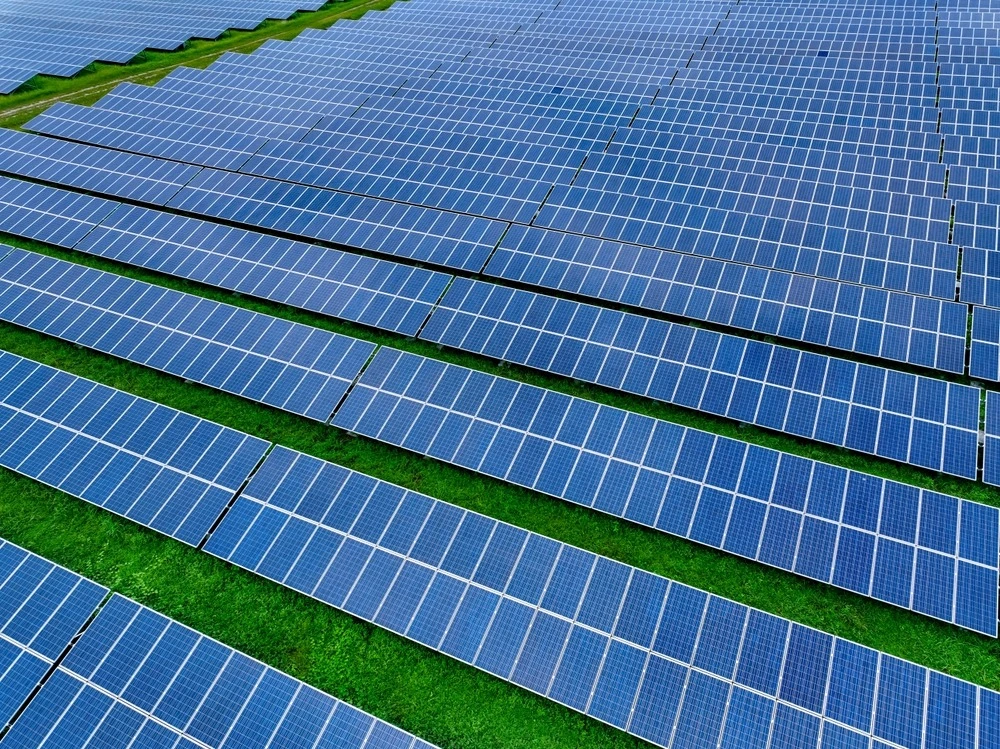

Commercial solar solutions in Pakistan are gaining momentum as businesses seek sustainable energy alternatives to combat rising electricity costs and power shortages. However, despite the potential benefits, various challenges hinder widespread adoption. From financial constraints to regulatory issues and technical limitations, businesses must navigate multiple obstacles to integrate solar energy successfully. This article explores these challenges and provides strategic solutions to help businesses maximize the benefits of commercial solar solutions in Pakistan.
The Financial Barriers to Solar Adoption
High Initial Investment Costs
One of the most significant challenges businesses face is the high upfront cost of installing commercial solar solutions in Pakistan. Solar panels, inverters, batteries, and installation fees can add up to a substantial amount, making it difficult for small and medium-sized enterprises (SMEs) to afford the transition.
Solution: Financing and Leasing Options
- Businesses can explore solar financing programs offered by banks and financial institutions, which allow them to pay in installments.
- Leasing models enable companies to use solar power without owning the equipment, reducing initial expenses.
- Government subsidies and incentives can further offset installation costs.
Uncertain Return on Investment (ROI)
Many businesses hesitate to invest in solar energy due to concerns about the time required to recover costs and the fluctuating energy savings.
Solution: Accurate ROI Calculations and Energy Audits
- Conducting a detailed energy audit helps estimate potential savings and efficiency improvements.
- Investing in high-efficiency solar panels ensures maximum energy production, accelerating ROI.
- Businesses can also benefit from net metering, where excess energy is sold back to the grid, reducing payback time.
Regulatory and Policy Challenges
Complex Approval Processes
The process of obtaining permits for commercial solar solutions in Pakistan can be cumbersome, involving multiple regulatory bodies. Delays in approvals often discourage businesses from adopting solar power.
Solution: Streamlining Regulatory Compliance
- Working with solar consultants can simplify the paperwork and approval processes.
- The government should introduce one-window operations for faster approvals and reduced bureaucracy.
Lack of Clear Government Policies
Inconsistent policies and lack of enforcement create uncertainty in the solar industry. Many businesses are unaware of tax exemptions, incentives, or import duties affecting solar components.
Solution: Advocacy for Stronger Solar Policies
- Industry stakeholders should engage with policymakers to push for transparent and stable policies.
- Awareness campaigns can educate businesses about available incentives and regulations.
Technical Limitations and Infrastructure Issues
Grid Stability and Compatibility
Pakistan's power grid infrastructure is outdated and often unstable, which poses challenges for integrating commercial solar solutions into the existing energy system.
Solution: Hybrid and Off-Grid Solar Systems
- Investing in hybrid solar systems with battery storage ensures energy availability during grid failures.
- Off-grid solutions can help businesses in remote areas achieve energy independence.
Maintenance and Performance Concerns
Solar panels require regular maintenance to ensure optimal performance. Dust, dirt, and extreme weather conditions can reduce efficiency over time.
Solution: Preventive Maintenance and Smart Monitoring
- Businesses should adopt routine maintenance plans to keep solar panels clean and operational.
- Smart monitoring systems can track performance in real-time, detecting faults early to prevent downtime.
Skilled Workforce and Technical Expertise
Shortage of Qualified Solar Technicians
The lack of trained professionals in Pakistan's solar industry leads to poor installation quality and inefficient system management.
Solution: Training Programs and Capacity Building
- Investment in technical training programs can help develop skilled professionals.
- Businesses should partner with certified solar installers to ensure high-quality system implementation.
Lack of Awareness About Advanced Solar Technologies
Many businesses are unaware of the latest advancements in solar technology, leading them to invest in outdated systems that do not maximize efficiency.
Solution: Technology Adoption and Continuous Learning
- Companies should stay informed about next-generation solar technologies, such as bifacial panels and AI-powered energy management systems.
- Government and industry associations should organize seminars and workshops to educate businesses about modern solar solutions.
Environmental and Climatic Considerations
Impact of Dust and Pollution
Pakistan’s arid climate and high pollution levels result in dust accumulation on solar panels, which reduces energy output.
Solution: Automated Cleaning Systems
- Self-cleaning solar panels or automated cleaning systems can significantly reduce maintenance efforts.
- Regular professional cleaning ensures maximum efficiency, especially in industrial areas with heavy pollution.
Extreme Weather Conditions
Frequent heatwaves, heavy rainfall, and dust storms can affect solar panel performance and longevity.
Solution: Weather-Resistant Solar Solutions
- Businesses should invest in high-quality, durable solar panels designed to withstand extreme temperatures.
- Proper panel tilting and positioning can enhance resilience against strong winds and dust storms.
DSG Energy is at the forefront of transforming Pakistan’s energy landscape by promoting commercial solar solutions in Pakistan that drive businesses toward sustainability. By integrating state-of-the-art grid-tied solar systems, DSG Energy helps companies reduce electricity costs, enhance energy security, and contribute to a cleaner environment. Their expertise ensures seamless solar installations, enabling businesses to overcome financial and technical challenges while maximizing long-term savings. As Pakistan moves toward renewable energy, DSG Energy stands as a trusted partner, empowering businesses with efficient and reliable solar solutions tailored to their needs.
Future Prospects for Commercial Solar Solutions in Pakistan
Despite the challenges, the future of commercial solar solutions in Pakistan is promising. With advancements in financing, technology, and policy support, businesses can overcome barriers and transition to sustainable energy. By adopting innovative solutions, improving regulatory frameworks, and investing in skilled manpower, Pakistan can accelerate solar adoption and reduce its dependence on fossil fuels.
The shift toward renewable energy is inevitable, and businesses that act now will benefit from cost savings, energy security, and long-term sustainability. With the right strategies in place, commercial solar solutions in Pakistan can revolutionize the country’s energy landscape, making it a leader in sustainable business practices.

























Sign in to leave a comment.