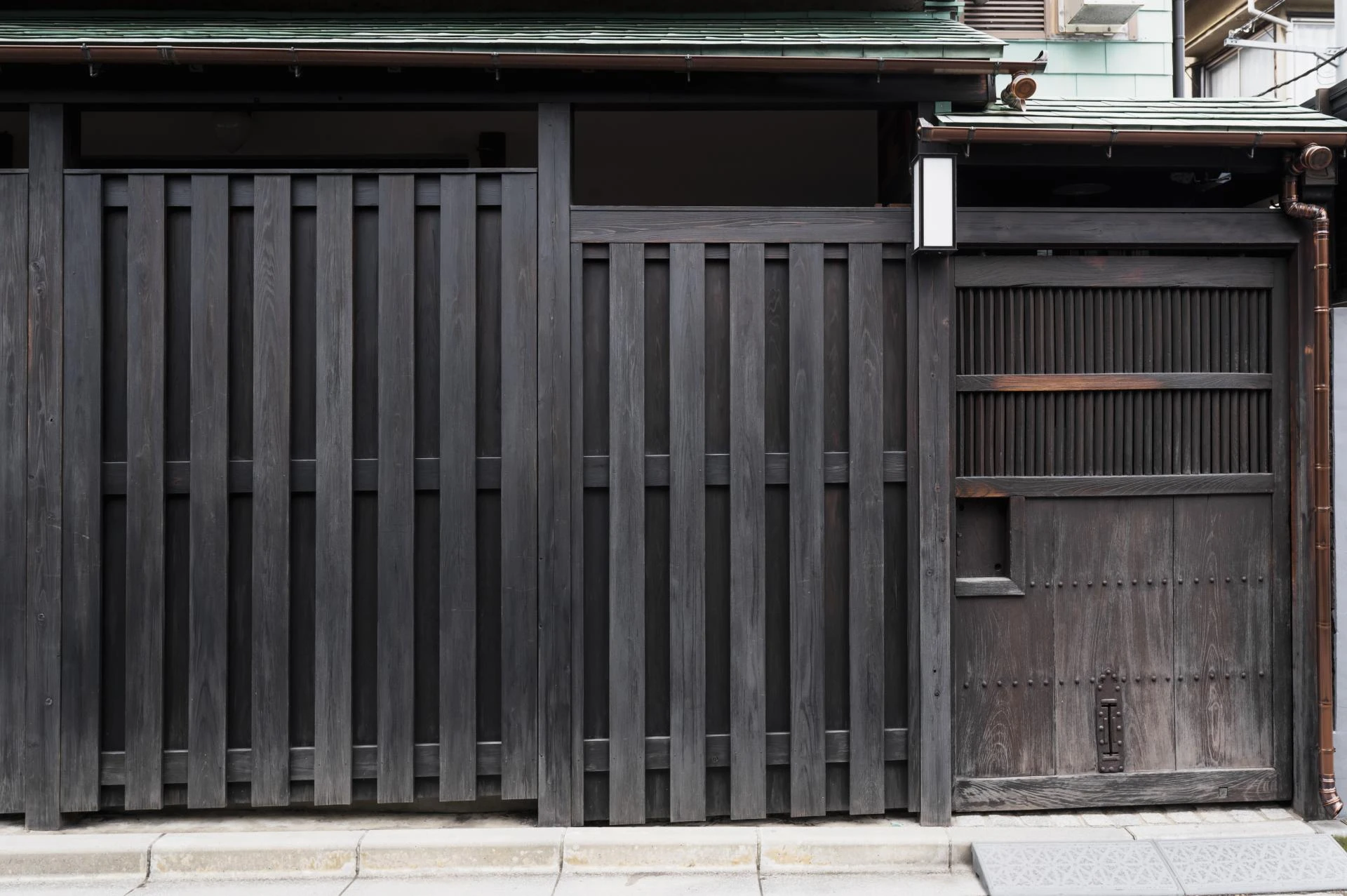
If you’re planning to upgrade your property with aluminium windows, doors, railings, or even an automatic swing gate or automatic sliding gate, you’re already headed in the right direction. Aluminium is strong, lightweight, rustproof, and perfect for modern designs. But here’s the part most people don’t think about, and it’s the real hook of this blog: your aluminium project is only as good as the fabrication behind it. Even the best-quality aluminium can fail if the fabrication is done wrong.
Many homeowners run into problems later, even when everything looks fine at first. You might notice loose parts, weak joints, uneven frames, noisy automatic gates, or paint that fades quickly. The truth is, these problems usually aren’t caused by the aluminium itself. They happen because of small mistakes during installation, like wrong measurements, low-quality materials, rushed welding, or poorly prepared frames for automation. The good news? You don’t need to be an expert; just know what to check.
In this blog, we'll go over the most common aluminium fabrication mistakes that experts see time and time again, explain why they happen, and demonstrate how to avoid them. Whether you’re building a custom railing, investing in new windows, or installing an automatic sliding gate, understanding these mistakes will help you get a cleaner finish, better performance, and a longer-lasting result.
Before We Dive In: What Really Goes Wrong Behind the Scenes
Most aluminium projects look simple from the outside: a clean frame, a smooth railing, or a gate that opens effortlessly. But what you see is only the final layer. Behind every strong and long-lasting aluminium structure, there’s a lot of precision, skill, and planning involved. And this is where things often go off track. Many issues begin long before the installation, during the cutting, measuring, welding, and finishing stages. These are things homeowners never get to see, yet they have the biggest impact on the final result.
When fabricators rush the job, use shortcuts, or skip essential steps, the problems may not show up on day one, but they definitely show up later. A small misalignment becomes a noisy automatic swing gate. A weak joint becomes a loose railing. A poor finish becomes a faded, patchy colour. That’s why understanding these behind-the-scenes slip-ups matters. Knowing where things frequently go wrong enables you to make better decisions, ask smarter questions, and avoid future problems.
8 Mistakes Gold Coast Residents Should Avoid When Upgrading to Aluminum Gates
1. Use Low-Quality or Lower-Grade Aluminum
One of the most common mistakes that fabricators make is using low-grade aluminium to save money. Poor-quality aluminium may appear similar at first glance, but it does not have the same strength, corrosion resistance, or longevity.
Low-grade aluminium can cause bending, rust-like stains, dents, and premature wear on items like gates, railings, and window frames, especially those exposed to the elements. Always make certain that your fabricator uses high-quality aluminium that is suitable for outdoor use and has structural strength, whether for automatic swing gates or automatic sliding gates.
2. Incorrect Measurements and Poor Planning
Aluminium fabrication is all about precision. Even a few millimetres of error can cause misaligned doors, shaky railings, or gates that drag or hit the ground. Many long-term problems start simply because the fabricator rushed the measurements or skipped site inspections. If your project includes automatic swing gates or an automatic sliding gate, correct measurements become even more critical because the motor depends on perfect alignment.
3. Weak or Improper Welding
Welding aluminium is different from welding steel; it requires skill, technique, and proper equipment. Weak welds can lead to shaky frames, broken joints, and reduced load-bearing capacity. Over time, these poor welds cause rattling, loose parts, and safety risks. Good aluminium welding should look clean, even, and properly fused, not messy, bulky, or cracked. This is especially important for automatic swing gates and automatic sliding gate frames that carry moving loads daily.
4. Not Preparing the Frame for Automation
A lot of issues with automatic swing gates and automatic sliding gates start because the aluminium frame was not designed for motor installation. When fabricators don’t reinforce the frame or leave proper mounting space, the motor struggles, makes noise, or breaks earlier than it should. A gate designed for automation must be strong enough to handle daily opening and closing without twisting or bending.
5. Using Low-Quality Hinges, Rollers, and Accessories
Even if the aluminium frame is strong, weak accessories such as low-quality hinges, rollers, tracks, and brackets can ruin the entire system. Gates may become harder to open, develop squeaking sounds, or get stuck. For automatic sliding gates, especially, poorly made rollers and tracks can wear out quickly, making the gate unstable and unsafe.
6. Skipping Surface Treatment or Using Poor Finishing
The finish on aluminium might look like a cosmetic detail, but it plays a huge role in protecting the metal. Poor-quality powder coating, uneven finishing, or skipping the coating process can cause fading, peeling, and corrosion spots. A good finish should last years without losing colour, even under sun, rain, and dust. This protects both automatic swing gates and automatic sliding gates.
7. Rushing the Installation
Even perfect fabrication can fail if the installation is rushed or unplanned. Improper levelling, loose fasteners, misaligned tracks, or uneven mounting can lead to long-term issues. For automatic swing gates and automatic sliding gates, poor installation results in motor strain, delayed opening, unnecessary noise, and safety hazards. Proper installation should be slow, steady, and precise.
8. Ignoring Safety Standards
Some fabricators cut corners to finish faster or reduce materials, like skipping safety locks, not reinforcing heavy gates, or ignoring load calculations. These shortcuts aren’t just risky; they reduce the lifespan of the entire structure. Automatic swing gates and automatic sliding gates especially must follow strict safety guidelines to prevent accidents.
Tips for Choosing the Right Aluminium Fabricators on the Gold Coast
Choosing the right fabricator can make all the difference between a smooth, long-lasting aluminium gate and a project full of problems. Here’s how to make sure you pick the right professional for your Gold Coast home:
Look for Experience and Expertise
Not all fabricators are the same. Look for those who have experience specifically with aluminium gates, especially automatic swing or sliding gates. Experienced fabricators understand the unique challenges of cutting, welding, and assembling aluminium for durability and smooth operation.
Ask the Right Questions
Before hiring, don’t hesitate to ask questions like:
- What grade of aluminium do you use?
- Do you handle both fabrication and installation?
- Can you install automation systems on gates?
- How long will the project take?
These questions will give you insight into their knowledge, process, and reliability.
Check Past Projects and References
A reputable fabricator should have a portfolio of completed projects. Ask for photos, case studies, or references from past clients. Seeing their work firsthand helps you understand their quality standards and design capabilities.
Verify Certifications and Warranties
Ensure the fabricator follows local standards and safety regulations. Certifications, licences, and warranties are signs of professionalism and give you peace of mind that your gate will last for years without issues.
By carefully choosing your fabricator, you set yourself up for a hassle-free aluminium gate upgrade that looks great, functions perfectly, and stands the test of time.
Conclusion
Upgrading to an aluminium gate is a smart investment for any Gold Coast home, offering durability, style, and convenience, especially when you choose automatic swing or sliding systems. But as we’ve seen, even the best aluminium can cause problems if mistakes are made during selection, fabrication, or installation. From using low-quality materials to poor measurements, weak joints, or rushing installation, these common pitfalls can turn your upgrade into a costly headache.
The key to a successful aluminium gate project is simple: know what mistakes to avoid, choose a skilled fabricator, and maintain your gate properly. By following these guidelines, you can enjoy a strong, smooth, and long-lasting gate that enhances both the security and appearance of your home.
Ready to upgrade your Gold Coast home with a quality aluminium gate? Start by choosing the right aluminium fabricators and planning carefully; your future self will thank you.























Sign in to leave a comment.