

Owning a vehicle comes with responsibility, and regular maintenance plays a major role in keeping it dependable for everyday use. Many drivers rely on a professional family auto service shop to identify and fix issues before they become expensive repairs. From strange engine noises to worn brake systems, experienced technicians can diagnose problems quickly and help extend the life of a vehicle. A trusted repair shop not only keeps cars running smoothly but also provides peace of mind for families who depend on their vehicles daily.
Engine Trouble and Poor Performance
Engine problems are among the most common reasons people visit an auto repair shop. Drivers may notice rough idling, reduced fuel efficiency, unusual vibrations, or warning lights appearing on the dashboard. These signs can point to several underlying issues, including faulty spark plugs, clogged fuel injectors, damaged sensors, or ignition system problems.
A reliable mechanic will perform a detailed inspection to locate the exact cause of the issue. Early diagnosis is important because small engine problems can quickly lead to larger mechanical failures. Routine tune-ups, oil changes, and system inspections help maintain proper engine performance and reduce the risk of breakdowns.
Ignoring engine symptoms often leads to higher repair costs later. A trusted service center can recommend preventive maintenance schedules tailored to the vehicle’s age and driving conditions.
Brake Problems That Affect Safety
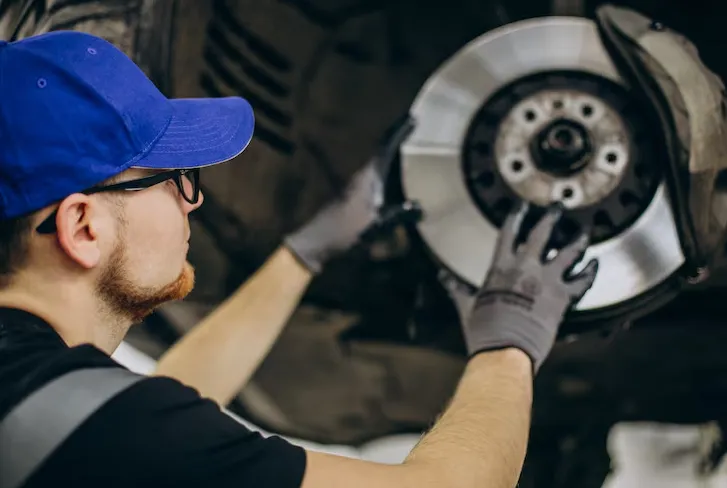
Brake systems experience constant wear and tear, especially in vehicles driven regularly in city traffic. Squeaking noises, grinding sounds, vibrations while braking, or a soft brake pedal are all signs that the braking system needs attention.
Brake pads naturally wear down over time and should be replaced before they damage the rotors. In some cases, low brake fluid levels or worn brake lines can reduce stopping power. Skilled technicians inspect every part of the braking system to ensure the vehicle remains safe on the road.
Routine brake inspections are essential for family vehicles because dependable brakes help protect passengers and reduce accident risks. A quality repair shop will explain what repairs are necessary and help drivers understand the condition of their braking components.
Battery and Electrical System Failures
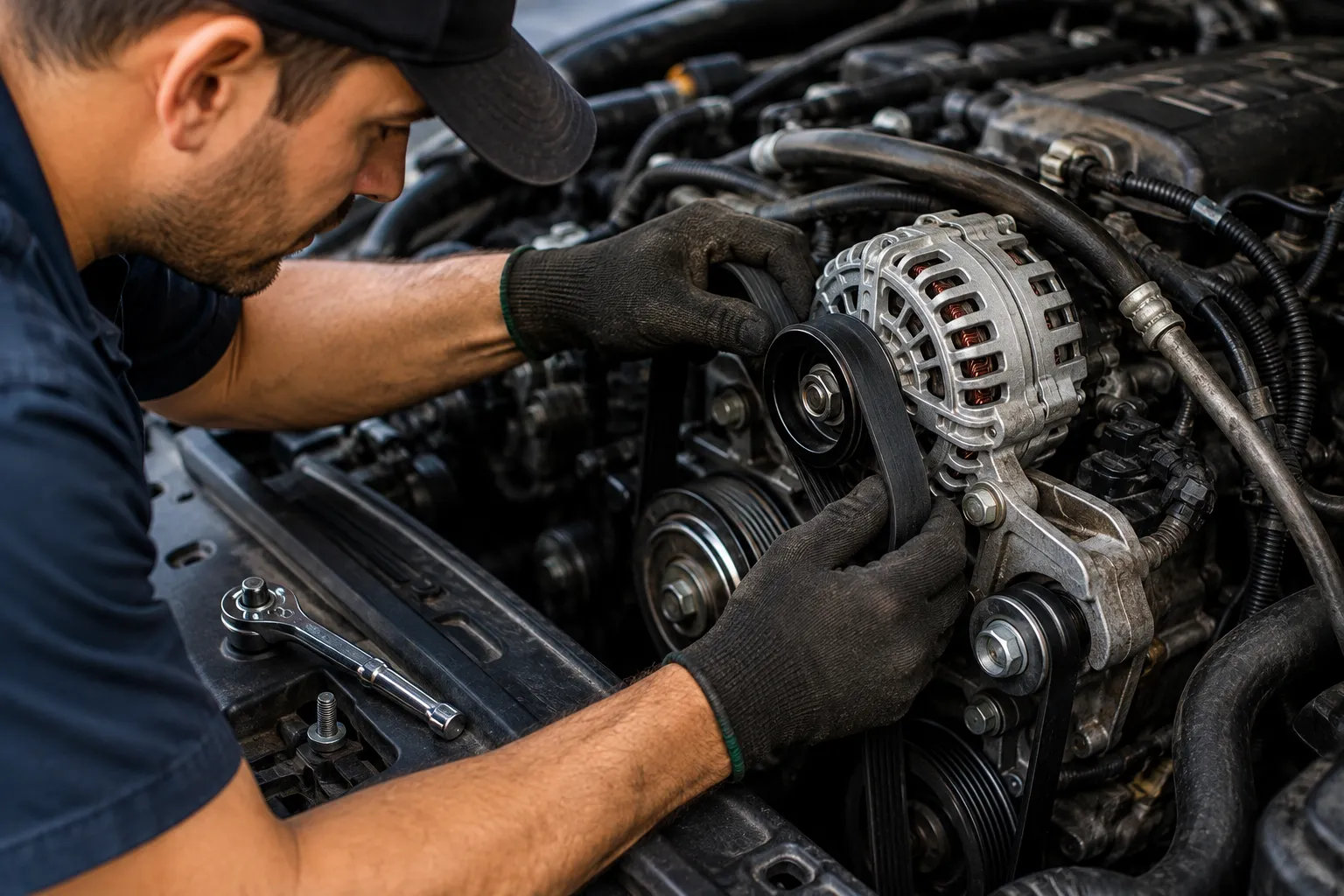
Few things are more frustrating than a car that refuses to start. Dead batteries and electrical issues are common problems that can occur unexpectedly. Corroded battery terminals, aging batteries, damaged alternators, or faulty wiring can all contribute to electrical failures.
Professional mechanics use diagnostic tools to test charging systems and identify electrical faults accurately. Replacing a weak battery before it completely fails can prevent inconvenient breakdowns.
Modern vehicles rely heavily on electronics for safety and performance features. Power windows, dashboard displays, lighting systems, and ignition controls all depend on a properly functioning electrical system. Regular inspections help identify hidden issues before they become serious.
Transmission Problems and Warning Signs
Transmission repairs are often among the most expensive vehicle repairs, which makes early maintenance especially important. Drivers may notice delayed shifting, slipping gears, leaking transmission fluid, or strange noises while accelerating.
Transmission issues should never be ignored because continued driving can worsen internal damage. Skilled technicians can inspect fluid levels, identify leaks, and determine whether repairs or servicing are needed.
Routine transmission fluid changes help maintain smooth gear shifting and improve the lifespan of the transmission system. Preventive care is often far less costly than complete transmission replacement.
Overheating and Cooling System Issues
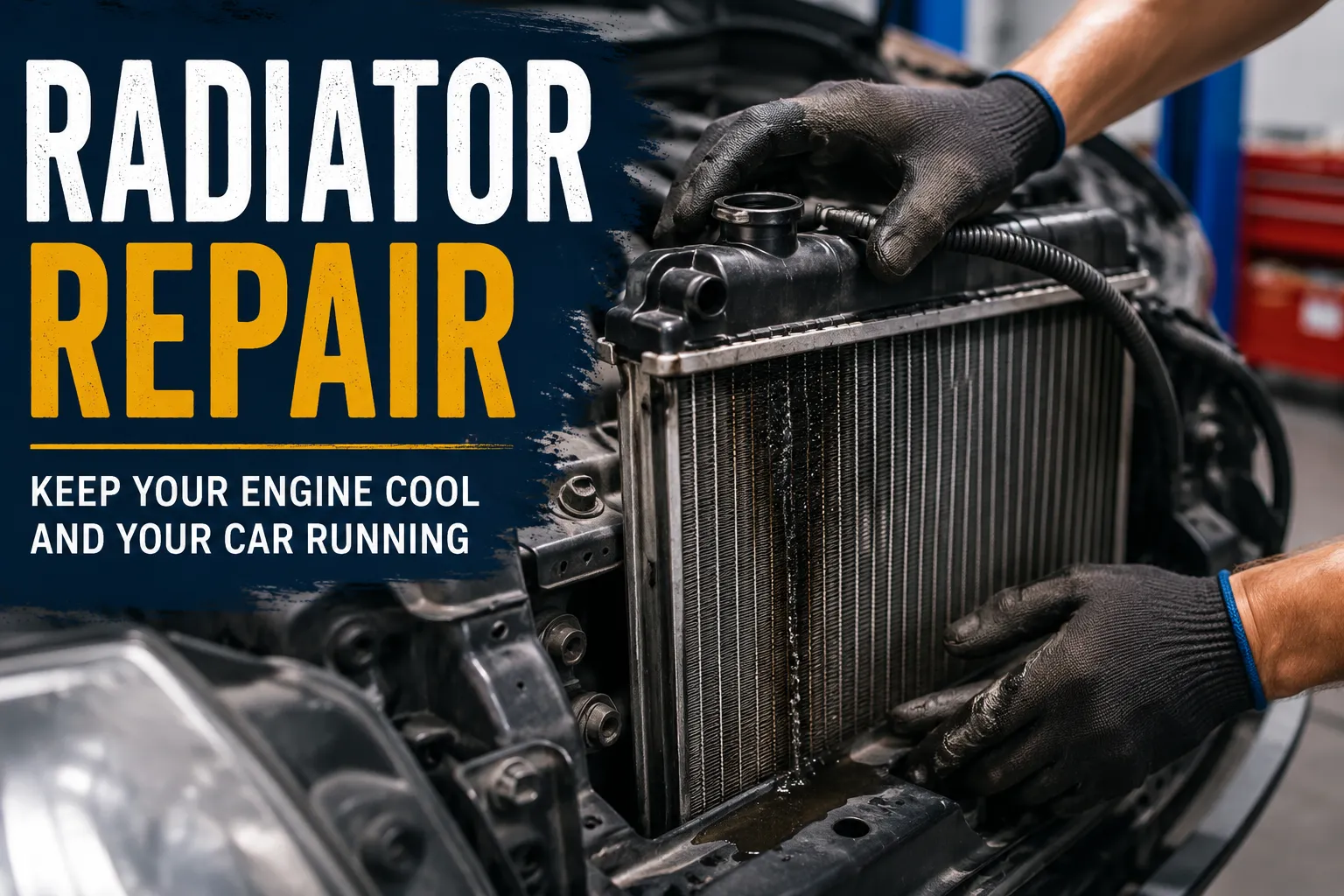
An overheating engine can lead to severe damage if not addressed quickly. Cooling systems regulate engine temperature using components such as radiators, water pumps, hoses, thermostats, and coolant fluid.
Common signs of cooling system problems include rising temperature gauges, coolant leaks, steam from the engine bay, or a sweet smell coming from the vehicle. A trusted repair shop can inspect the entire cooling system and replace worn components before major engine damage occurs.
Regular coolant flushes and radiator inspections help maintain proper temperature control during both hot summers and cold winters. Drivers who pay attention to temperature warnings can often avoid costly engine repairs.
Suspension and Steering Problems
A smooth and stable ride depends on a healthy suspension and steering system. Worn shocks, struts, ball joints, or tie rods can make driving uncomfortable and unsafe. Drivers may notice uneven tire wear, excessive bouncing, pulling to one side, or difficulty steering.
Suspension problems affect vehicle handling, braking distance, and overall driving control. Technicians inspect suspension components carefully to determine which parts need replacement.
Wheel alignment services also play an important role in maintaining steering accuracy and tire longevity. Properly aligned wheels improve fuel efficiency and provide a more comfortable driving experience.
Tire Wear and Alignment Concerns
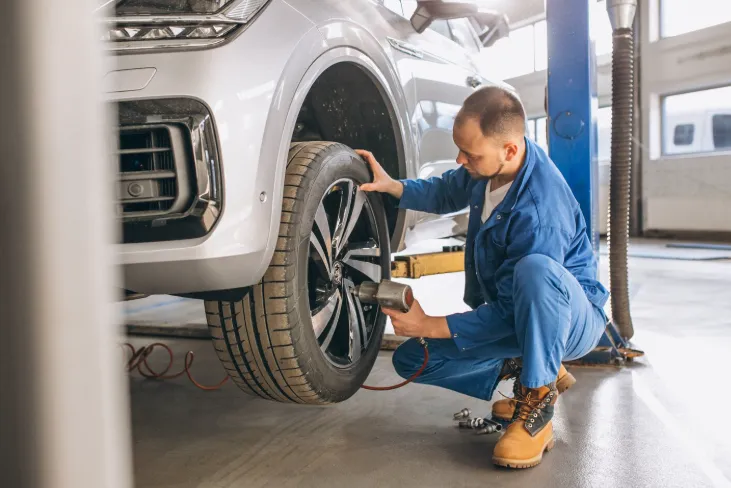
Tires are one of the most important safety components on any vehicle. Uneven tread wear, low tire pressure, or damaged tires can increase the risk of accidents and reduce fuel efficiency.
A trusted auto service shop can inspect tire condition, rotate tires regularly, and recommend replacements when necessary. Alignment issues often contribute to uneven tire wear and should be corrected promptly.
Seasonal changes can also affect tire pressure and performance. Routine tire inspections help drivers avoid blowouts and maintain better road traction during changing weather conditions.
Air Conditioning and Heating Problems
Comfort matters during daily commutes and long family trips. A malfunctioning air conditioning or heating system can make driving unpleasant during extreme temperatures.
Weak airflow, unusual odors, inconsistent temperatures, or strange noises from the vents often indicate HVAC system issues. Refrigerant leaks, clogged cabin filters, damaged compressors, or electrical faults are common causes of climate control problems.
Experienced technicians can inspect and repair heating and cooling systems to restore comfort inside the vehicle. Regular maintenance also helps improve air quality inside the cabin.
Fluid Leaks and Preventive Maintenance
Vehicles rely on several fluids to operate properly, including engine oil, coolant, brake fluid, power steering fluid, and transmission fluid. Leaks can develop slowly and may go unnoticed until major problems occur.
Different fluid colors often indicate the source of the leak. For example, dark brown or black fluid may signal an oil leak, while green or orange fluid usually points to coolant leaks.
Routine inspections help technicians detect leaks early and prevent component damage. Preventive maintenance services such as fluid changes, filter replacements, and system inspections reduce long-term repair costs and improve vehicle reliability.
Why Trust Matters in Auto Repair
Drivers often feel uncertain when dealing with vehicle repairs, especially when unexpected problems arise. A dependable repair shop builds trust by offering honest recommendations, clear communication, and reliable workmanship.
Family-owned service centers often focus on long-term customer relationships rather than one-time transactions. Technicians who take time to explain repair needs help customers feel more confident about maintenance decisions.
Reliable auto repair shops also prioritize safety inspections and preventive care. Regular servicing allows mechanics to identify small issues before they become serious mechanical failures.
Keeping Your Vehicle Reliable for Years
Consistent maintenance is the key to extending the lifespan of any vehicle. Oil changes, brake inspections, tire rotations, battery testing, and fluid checks all contribute to smoother performance and fewer unexpected breakdowns.
Drivers who follow recommended maintenance schedules often spend less on major repairs over time. A trusted repair shop can create a customized maintenance plan based on mileage, driving habits, and vehicle condition.
Proper care not only improves reliability but also helps maintain resale value. Whether driving a newer model or an older family vehicle, professional maintenance keeps the car safer and more dependable on the road. Many vehicle owners also combine routine maintenance with auto detailing services to keep both the performance and appearance of their cars in excellent condition.
Frequently Asked Questions
How often should I take my car to an auto service shop?
Most vehicles should be inspected every few months or according to the manufacturer’s maintenance schedule. Oil changes, tire rotations, and brake checks are typically recommended at regular mileage intervals.
What are the warning signs of brake problems?
Squeaking noises, grinding sounds, vibrations, or a soft brake pedal are common indicators that the brake system needs inspection.
Why is my car overheating?
Overheating may result from coolant leaks, radiator issues, a failing thermostat, or a damaged water pump. Immediate inspection is important to prevent engine damage.
How long does a car battery usually last?
Most car batteries last between three and five years depending on driving habits, weather conditions, and maintenance practices.
Can uneven tire wear indicate alignment problems?
Yes. Uneven tire wear often points to wheel alignment or suspension issues that should be corrected to improve safety and tire lifespan.
Is preventive maintenance really necessary?
Preventive maintenance helps detect minor problems early, improves fuel efficiency, extends vehicle life, and reduces the risk of costly repairs later.

























Sign in to leave a comment.