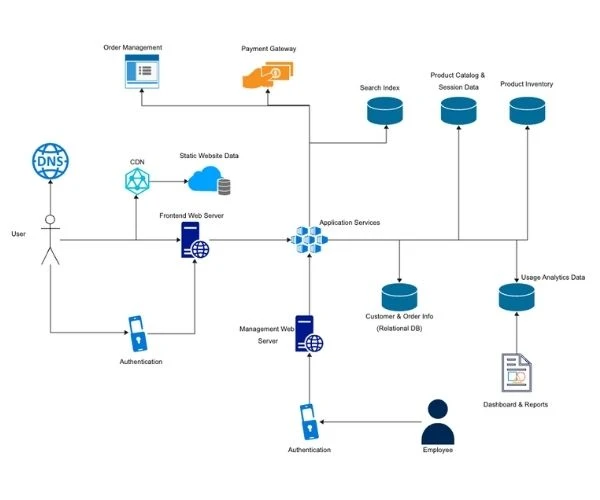


Designing an efficient and secure enterprise network is no easy task. As businesses grow and technologies evolve, so do the complexities of network architecture. While a well-designed network supports scalability, performance, and security, several common challenges can hinder its success. Understanding these hurdles is the first step toward overcoming them.
1. Scalability Constraints
Many businesses start small but expand rapidly. A network that isn’t built with scalability in mind can become a bottleneck. As new devices, users, and applications are added, performance can degrade if the architecture is not flexible.
Solution:
Adopt a modular design with scalable switches and cloud-based resources. Use virtual LANs (VLANs) and SD-WAN to simplify expansion without overhauling the entire system.
2. Security Vulnerabilities
As networks become more complex, they also become more vulnerable to cyber threats. Without proper firewalls, intrusion detection systems, and endpoint protection, enterprise data can be at risk.
Solution:
Incorporate a layered security approach, integrating firewalls, encryption, role-based access, and continuous monitoring. Regular audits and updates are essential to keeping the system resilient.
3. Integration with Legacy Systems
Many enterprises still rely on outdated hardware or software that isn't compatible with modern networking solutions. This slows down performance and introduces security risks.
Solution:
Gradually phase out legacy systems while using middleware or virtualization tools to bridge gaps. Work with vendors to ensure compatibility and seamless integration.
4. Poor Network Visibility and Monitoring
Without real-time monitoring, identifying and diagnosing network issues becomes challenging. Lack of visibility also means a higher risk of downtime and slower response times.
Solution:
Deploy centralized network monitoring tools that offer traffic analysis, usage patterns, and alert systems. This allows for proactive issue resolution and better resource allocation.
5. Bandwidth Bottlenecks
High-bandwidth applications like video conferencing and data analytics put pressure on network resources. Without proper planning, bandwidth limitations can disrupt productivity.
Solution:
Implement Quality of Service (QoS) policies to prioritize critical applications. Use load balancing and upgrade bandwidth capacity where necessary.
6. Lack of Skilled Personnel
Even with a strong design, lack of skilled IT staff can lead to mismanagement and downtime. Designing and maintaining a complex network requires both strategic planning and technical execution.
Solution:
Invest in training or partner with an experienced network consulting firm to supplement your internal team.
Conclusion
Enterprise network design involves a mix of technical expertise, strategic planning, and proactive problem-solving. Overcoming these common challenges requires the right tools and experienced guidance. If you're looking for a Network Designing Company in India that combines innovation with reliability, NovaPrism Technovations is a trusted partner offering tailored solutions that empower your business with secure, scalable, and high-performance networks.

























Sign in to leave a comment.