

Electrical systems play a major role in keeping modern homes comfortable, safe, and functional. From lighting and appliances to charging devices and powering home offices, homeowners rely on electricity every day. However, like any system, electrical components can develop issues over time. Understanding the most common electrical problems can help homeowners identify warning signs early and avoid costly repairs.
Many residents choose to work with a professional electrician in Sunnyvale when electrical issues arise, ensuring that repairs and upgrades are completed safely and efficiently. Whether you live in an older home or a newer property, knowing what electrical problems to watch for can help protect your home and family.
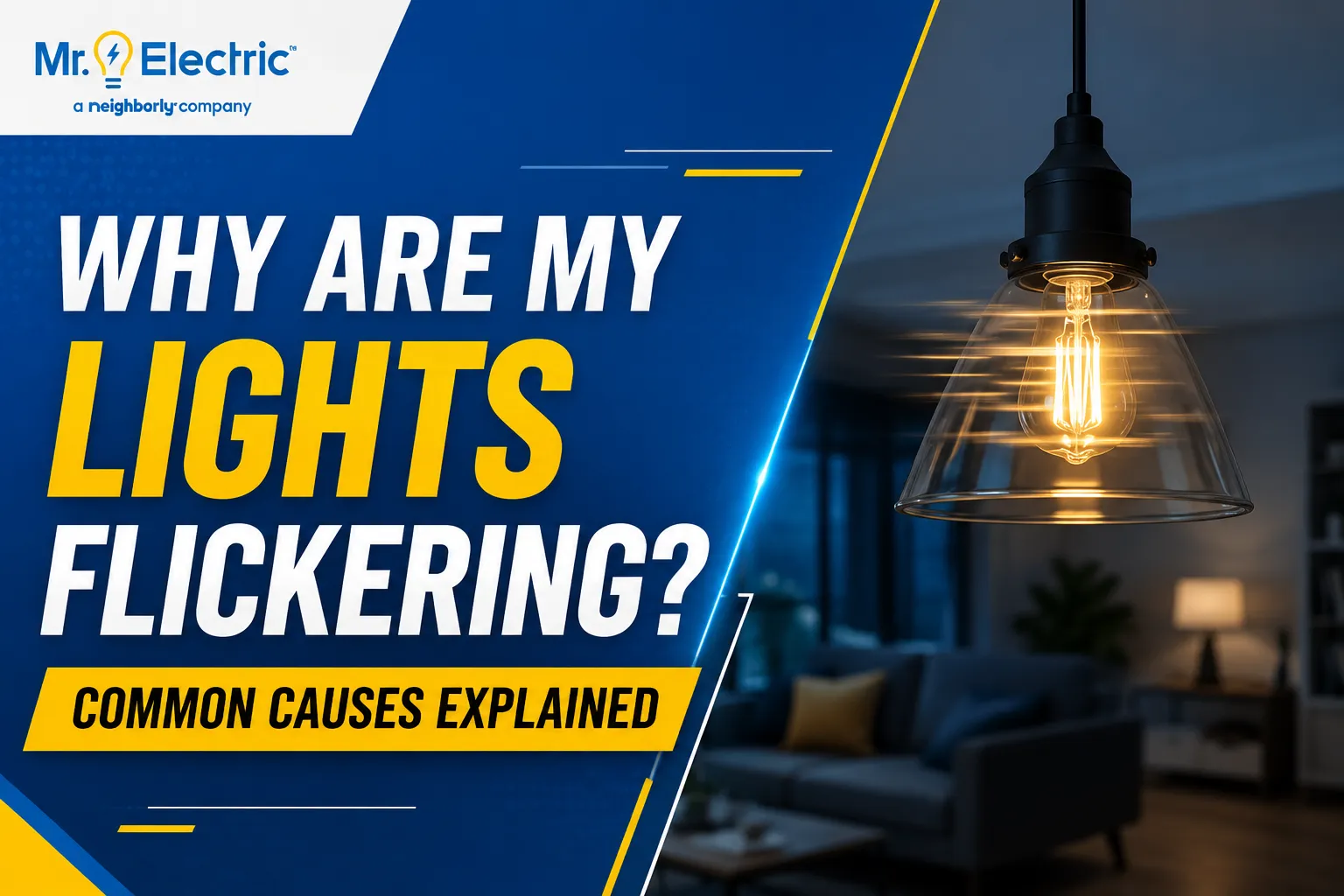
Flickering or Dimming Lights
One of the most common electrical issues homeowners notice is flickering or dimming lights. While an occasional flicker may seem harmless, frequent occurrences can indicate a larger electrical problem.
Common causes include:
- Loose wiring connections
- Overloaded circuits
- Faulty light fixtures
- Aging electrical panels
- Voltage fluctuations
If lights consistently dim when appliances start running, it may be time to have your electrical system inspected.
Frequently Tripped Circuit Breakers
Circuit breakers are designed to protect your home's electrical system by shutting off power when circuits become overloaded. While occasional trips can happen, frequent breaker trips should never be ignored.
Possible causes include:
- Too many devices connected to one circuit
- Faulty appliances
- Damaged wiring
- Outdated electrical panels
Repeated breaker trips may indicate that your electrical system is struggling to handle your home's energy demands.
Dead or Non-Working Outlets
A non-functioning outlet can be frustrating and may signal underlying electrical problems. Sometimes the issue is minor, but other times it can point to damaged wiring or a tripped circuit.
Common reasons outlets stop working include:
- Loose electrical connections
- Tripped GFCI outlets
- Damaged receptacles
- Circuit breaker issues
Regular inspections can help identify outlet problems before they affect other parts of the electrical system.
Overloaded Circuits
Today's households use significantly more electricity than homes built decades ago. Computers, smart devices, kitchen appliances, entertainment systems, and EV chargers all place additional demand on electrical circuits.
Signs of overloaded circuits include:
- Warm outlets
- Flickering lights
- Frequently tripped breakers
- Buzzing sounds from outlets
Overloaded circuits can increase fire risks if left unaddressed, making professional evaluation important.
Outdated Electrical Wiring
Older homes in Sunnyvale may still contain wiring systems that were installed many years ago. While these systems may continue functioning, they may not be capable of safely supporting modern electrical needs.
In fact, from outlets and switches to circuit breakers, understanding the basics of electrical wiring in your home provides valuable knowledge for every homeowner. Knowing how your electrical system works can help you recognize warning signs before they become serious hazards.
Outdated wiring may lead to:
- Electrical shocks
- Power interruptions
- Increased fire risks
- Appliance damage
- Reduced energy efficiency
Upgrading old wiring can significantly improve both safety and performance.
Warm Outlets or Switches
Electrical outlets and switches should never feel hot to the touch. Warm or overheated devices often indicate excessive electrical resistance or faulty connections.
Potential causes include:
- Loose wiring
- Overloaded circuits
- Worn outlets
- Damaged switches
If you notice heat, discoloration, or burning odors near outlets, it's important to have them inspected immediately.
Electrical Surges
Power surges occur when voltage levels temporarily increase above normal operating levels. While major surges are obvious, smaller surges can happen regularly and slowly damage electronics over time.
Common sources of surges include:
- Lightning strikes
- Utility grid issues
- Large appliance cycling
- Faulty wiring
Whole-home surge protection can help safeguard valuable electronics and appliances from unexpected voltage spikes.
High Energy Bills
An unusually high electric bill may sometimes indicate electrical inefficiencies within the home.
Possible electrical causes include:
- Aging wiring
- Faulty appliances
- Outdated lighting systems
- Inefficient electrical components
An electrical inspection can help identify areas where upgrades may improve energy efficiency and lower monthly costs.
Buzzing Sounds and Strange Odors
Electricity should operate quietly. If you hear buzzing sounds from outlets, switches, or panels, it may indicate a problem that requires professional attention.
Likewise, burning smells should never be ignored.
These symptoms may signal:
- Loose wiring connections
- Electrical arcing
- Overheated components
- Damaged insulation
Prompt repairs can help prevent serious electrical hazards.
Insufficient Outlets
Many older homes were designed before modern families needed numerous devices, chargers, and appliances. As a result, homeowners often rely heavily on extension cords and power strips.
Adding new outlets can:
- Improve convenience
- Reduce circuit overloads
- Enhance safety
- Support modern electrical needs
A licensed electrician can recommend safe outlet additions for your home's layout and usage requirements.
Benefits of Professional Electrical Inspections
Routine inspections can help homeowners catch electrical issues before they become major problems.
Benefits include:
- Improved safety
- Early detection of wiring issues
- Better system reliability
- Reduced risk of electrical fires
- Increased energy efficiency
Professional inspections are especially valuable for older homes or properties undergoing renovations.
Conclusion
Electrical problems can range from minor inconveniences to serious safety hazards. Issues such as flickering lights, overloaded circuits, outdated wiring, non-working outlets, and electrical surges are common concerns that many Sunnyvale homeowners experience.
The good news is that most electrical problems can be identified and resolved before they become dangerous when addressed promptly. Regular inspections, proper maintenance, and timely upgrades can help keep your home's electrical system safe, reliable, and prepared for modern energy demands.
Frequently Asked Questions
What causes my lights to flicker frequently?
Frequent flickering can be a sign of larger electrical issues, such as loose wiring connections, overloaded circuits, or problems with the electrical panel. If you notice consistent flickering, it's advisable to have your electrical system inspected by a professional.
Why do my circuit breakers keep tripping?
While occasional tripping is normal, frequent trips indicate an overloaded circuit, faulty appliances, or damaged wiring. It’s important to identify the root cause to prevent potential safety hazards.
What should I check if an outlet isn't working?
Start by checking your circuit breaker and any nearby GFCI outlets, as these may have tripped. If the outlet remains non-functional after these checks, it's best to contact a licensed electrician for further inspection.
Is old wiring a safety concern?
Yes, outdated wiring can pose serious risks, including electrical fires, shocks, and power interruptions. If your home has older wiring, it's crucial to have it evaluated to ensure it meets modern safety standards.
How often should I schedule an electrical inspection?
Homeowners are generally advised to have a professional electrical inspection every few years, particularly if the home is older or has undergone significant renovations. Regular inspections help catch issues before they escalate into serious problems.
What are some signs of overloaded circuits?
Signs of overloaded circuits include warm outlets, flickering lights, frequently tripped breakers, and buzzing sounds from outlets. If you notice any of these symptoms, it's essential to consult an electrician to address the issue.
What can I do to improve energy efficiency in my home?
Improving energy efficiency can involve upgrading outdated wiring, replacing faulty appliances, and installing energy-efficient lighting systems. An electrical inspection can identify specific areas for improvement to help lower your energy bills.
What should I do if I hear buzzing sounds or smell something burning?
Buzzing sounds or burning odors are serious warning signs that should not be ignored. These symptoms might indicate loose wiring, electrical arcing, or overheated components, and it's crucial to contact a licensed electrician for immediate inspection.
























Sign in to leave a comment.