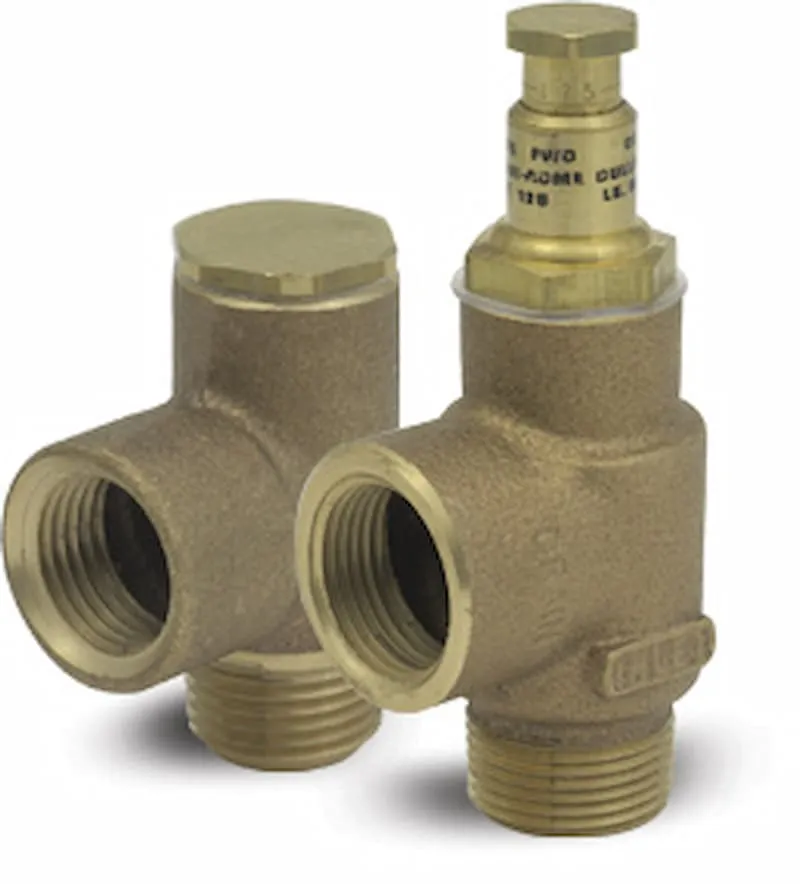

Fire protection systems are designed to perform reliably when emergencies occur, making regular maintenance an essential part of building safety. Every component must work correctly to ensure dependable operation under demanding conditions. Understanding fire pump parts and their maintenance requirements helps facility managers reduce unexpected failures, improve system reliability, and extend equipment life. Proper inspections, timely replacements, and preventive servicing contribute to maintaining compliance with safety standards while ensuring the entire fire protection system remains ready whenever it is needed most.
Why Regular Fire Pump Maintenance Matters
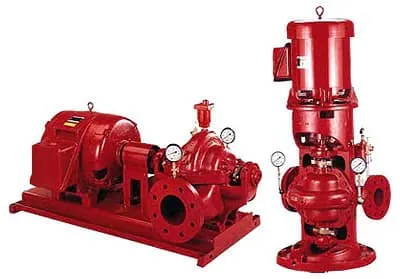
Fire pumps are installed to provide adequate water pressure when a building's primary water supply cannot meet the required demand during a fire emergency. Because these systems often remain idle for long periods, many components naturally experience wear, aging, or deterioration over time. Regular maintenance allows technicians to identify worn components before they affect overall system performance. Replacing aging parts at appropriate intervals minimizes the risk of unexpected failures and helps maintain operational readiness. A proactive maintenance strategy also reduces long term repair expenses and extends the lifespan of the complete fire protection system.
Common Fire Pump Parts That Need Routine Replacement
Bearings
Bearings support the rotating shaft inside the pump and allow smooth operation during testing and emergency use. Over time, continuous vibration, inadequate lubrication, and normal mechanical wear gradually reduce bearing performance. Damaged bearings often produce unusual noises, excessive heat, or increased vibration. Replacing worn bearings before complete failure helps prevent damage to surrounding components, maintains efficient operation, and reduces the likelihood of costly repairs. Routine inspections allow maintenance personnel to detect early signs of bearing wear before significant operational issues develop.
Mechanical Seals
Mechanical seals prevent water from leaking around the rotating shaft while maintaining proper internal pressure. Continuous operation, changing temperatures, and normal aging eventually reduce seal effectiveness. Small leaks often indicate the beginning stages of seal deterioration. Ignoring these warning signs may allow moisture to reach internal components, increasing the possibility of corrosion and mechanical damage. Timely replacement of worn seals preserves pump efficiency, prevents water loss, and supports dependable operation whenever the fire protection system is activated.
Gaskets
Gaskets create secure seals between connected pump components, preventing leaks that could reduce operating efficiency. Exposure to pressure changes, heat, moisture, and aging gradually causes gasket materials to harden, crack, or lose flexibility. Damaged gaskets may allow water leakage or reduce pressure during pump operation. Routine inspection and replacement help maintain proper sealing performance throughout the system. Fresh gaskets also protect surrounding equipment from unnecessary moisture exposure while ensuring stable operation during scheduled testing and emergency conditions.
Impellers
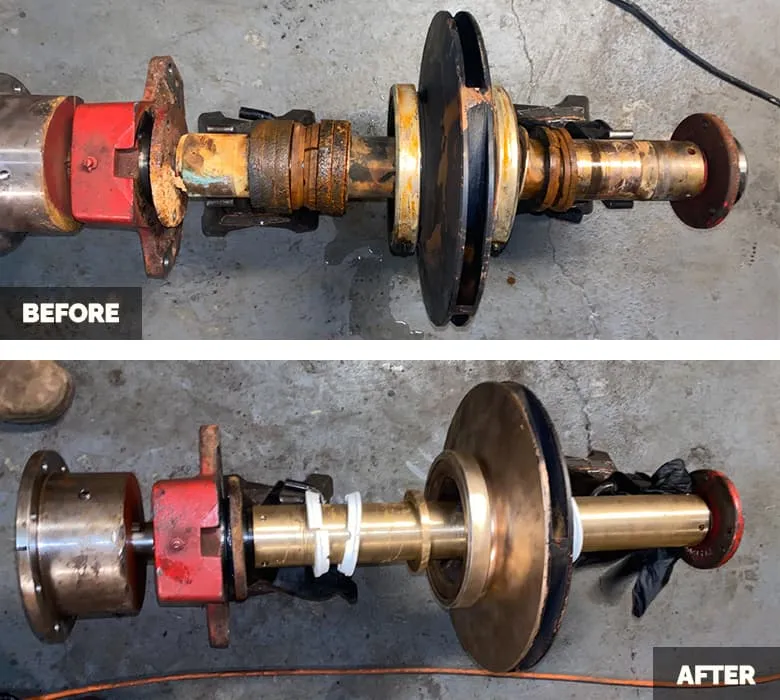
The impeller is responsible for moving water efficiently through the pump and generating the required pressure. Over time, corrosion, erosion, mineral buildup, or debris may damage impeller surfaces, reducing pumping efficiency. A worn impeller often results in lower water flow and decreased pressure output. Regular inspections help identify performance issues before they become serious operational concerns. Replacing damaged impellers restores proper hydraulic performance and helps ensure the fire protection system continues delivering adequate water during emergency situations.
Wear Rings
Wear rings maintain proper clearance between rotating and stationary components inside the pump. Their primary purpose is to minimize internal leakage while maintaining pumping efficiency. Continuous operation gradually enlarges clearances as wear rings deteriorate. Excessive clearance allows water to circulate internally rather than flowing through the discharge system, reducing overall efficiency. Replacing worn wear rings restores proper tolerances, improves hydraulic performance, and helps protect more expensive internal components from unnecessary wear and damage.
Shaft Sleeves
Shaft sleeves protect the pump shaft from corrosion, abrasion, and mechanical wear. Because they serve as a protective barrier, shaft sleeves naturally experience gradual deterioration over years of operation. Excessive wear may expose the shaft to direct damage, resulting in more expensive repairs. Routine inspection allows maintenance personnel to replace worn sleeves before the shaft becomes compromised. Maintaining healthy shaft sleeves supports longer equipment life and reduces maintenance costs associated with major component replacement.
Couplings
Couplings connect the driver and pump shaft while transmitting rotational power efficiently. Continuous vibration, alignment changes, and normal mechanical stress gradually affect coupling performance. Worn couplings may cause excessive vibration, noise, or uneven power transmission. Regular inspection identifies signs of deterioration before additional components become affected. Replacing worn couplings improves system stability, reduces vibration, and helps maintain smooth operation throughout both routine testing and emergency activation.
Packing Materials
Some fire pumps continue to use traditional packing materials instead of mechanical seals. Packing gradually compresses, hardens, and wears with continued operation. Improper packing adjustment may cause excessive leakage or overheating around the shaft. Routine replacement ensures proper sealing while maintaining adequate lubrication of moving components. Well maintained packing reduces unnecessary wear on shaft sleeves and contributes to reliable system performance during scheduled maintenance tests and emergency operation.
Signs That Replacement Parts May Be Needed
Unusual Noise
Abnormal grinding, rattling, or squealing sounds often indicate mechanical wear within rotating components. Bearings, couplings, or internal pump parts may begin producing noticeable noise before complete failure occurs. Early investigation allows technicians to identify the affected component and replace it before larger mechanical problems develop. Addressing unusual sounds promptly helps avoid expensive repairs while preserving dependable pump performance.
Increased Vibration
Higher than normal vibration frequently signals misalignment, worn bearings, damaged couplings, or deteriorating internal components. Excessive vibration accelerates wear throughout the entire system and may eventually loosen fasteners or damage connected equipment. Regular vibration monitoring helps maintenance teams detect developing problems early. Replacing worn parts promptly reduces stress on the system and extends equipment service life.
Water Leaks
Visible water leakage around seals, packing, flanges, or gasket connections should never be ignored. Even small leaks often indicate deteriorating sealing components that require replacement. Continued leakage may increase corrosion, reduce efficiency, and create additional maintenance concerns. Prompt replacement of leaking components helps maintain system integrity while preventing unnecessary water damage to surrounding equipment.
Reduced Performance
Lower water pressure, decreased flow, or longer response times often suggest internal wear affecting pump efficiency. Worn impellers, enlarged wear ring clearances, or damaged mechanical components may all contribute to declining performance. Routine performance testing identifies these issues before emergency situations arise. Replacing worn components restores proper operating characteristics and supports dependable fire protection capabilities.
Benefits of Preventive Replacement
Improved Reliability
Replacing worn components before failure significantly increases overall system reliability. Preventive maintenance reduces the chance of unexpected equipment breakdowns during emergency operation. Reliable equipment provides confidence that the fire protection system will perform as designed whenever needed. Scheduled replacement also allows maintenance to occur under controlled conditions instead of during urgent repair situations.
Lower Long Term Costs
Preventive replacement often costs considerably less than repairing extensive damage caused by neglected components. Small parts such as seals, bearings, or gaskets help protect much larger and more expensive equipment. Replacing these items on schedule minimizes repair expenses while reducing downtime. Consistent maintenance investments help avoid major equipment failures that require significant financial resources.
Better Safety Compliance
Routine replacement supports compliance with inspection, testing, and maintenance requirements established for fire protection systems. Well maintained equipment demonstrates commitment to operational readiness and public safety. Consistent documentation of inspections and component replacements also simplifies compliance reviews while helping facility managers meet applicable safety expectations throughout the equipment lifecycle.
Best Practices for Replacement Planning
Maintain Detailed Service Records
Accurate maintenance records provide valuable information regarding previous inspections, repairs, and replacement schedules. Historical data helps identify components that wear more quickly under specific operating conditions. Organized documentation also assists maintenance personnel in planning future service intervals while supporting regulatory compliance. Good record keeping contributes to more efficient maintenance planning and improved equipment reliability.
Perform Routine Inspections
Regular visual inspections combined with scheduled operational testing allow maintenance personnel to detect developing problems before they become serious failures. Inspections should include seals, bearings, couplings, gaskets, shaft sleeves, and other critical components. Early identification allows timely replacement while minimizing disruptions. Consistent inspections remain one of the most effective strategies for preserving fire pump performance.
Use High Quality Replacement Components
Choosing properly manufactured replacement components helps maintain compatibility, reliability, and operational efficiency. Quality parts are designed to withstand demanding operating conditions while supporting long service life. Using appropriate replacement components also reduces installation issues and contributes to consistent system performance throughout future maintenance cycles.
Conclusion
Routine replacement of essential pump components is one of the most effective ways to maintain dependable fire protection system performance. Timely inspections, preventive maintenance, and scheduled component replacement reduce unexpected failures, improve operational efficiency, and extend equipment lifespan. Investing in proper maintenance ensures that fire pumps remain prepared to perform when emergencies occur. For professional assistance with inspections, maintenance, replacement components, and expert support, Steven Brown & Associates, Inc. provides dependable solutions to help keep fire protection systems operating at their best.

























Sign in to leave a comment.