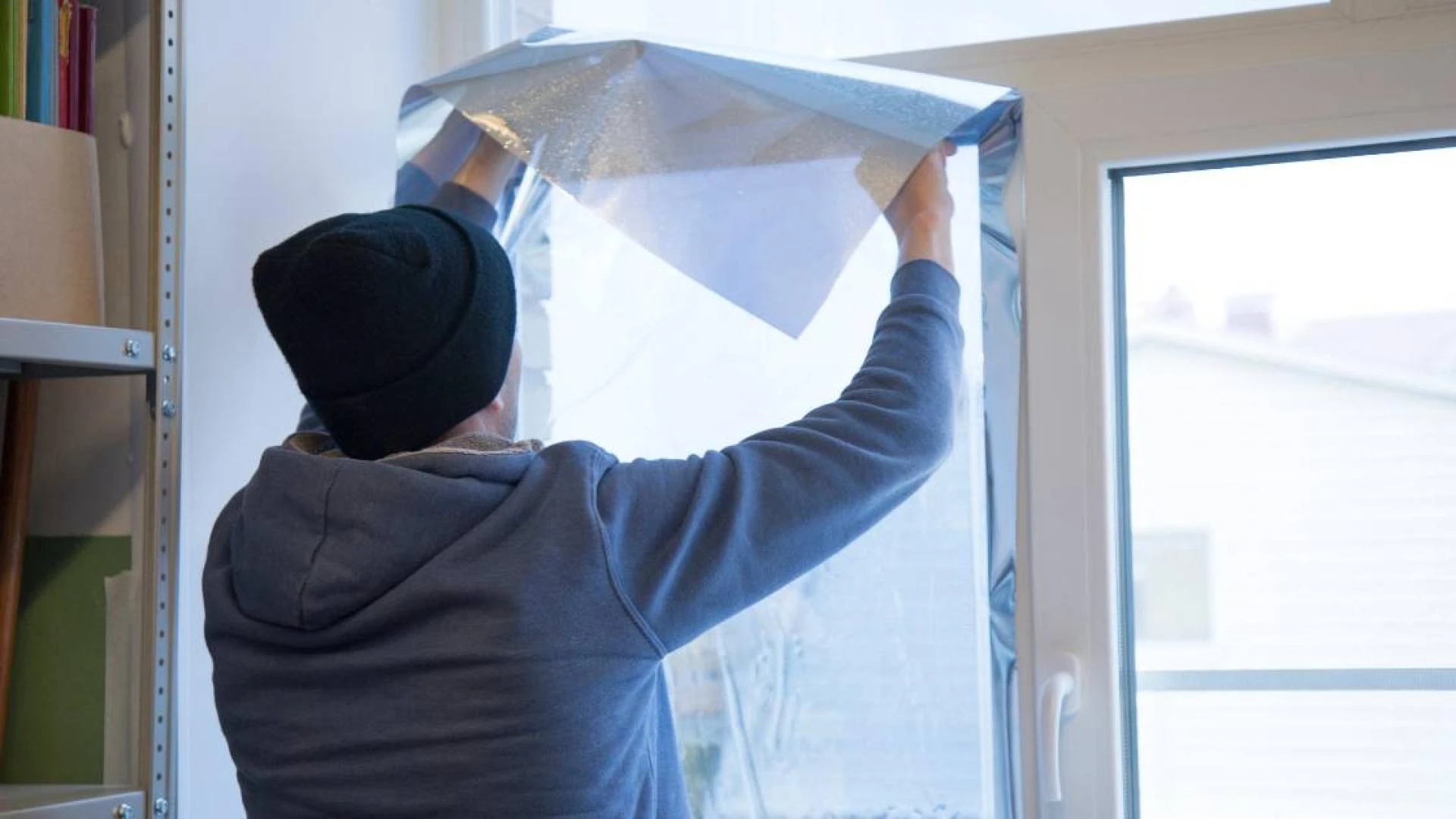

Window film is a versatile and practical solution for various window-related issues, from enhancing privacy and security to reducing energy costs and blocking UV rays. However, despite its many benefits and widespread use, window film remains shrouded in several misconceptions and myths that can prevent people from enjoying its full potential.
This blog will explore some of the most common misconceptions about window film and clarify the facts behind them.
Myth #1: Window film is just a decorative accessory
While window film can add a decorative touch to your windows, its benefits go far beyond aesthetics. Window film can improve comfort and safety by reducing glare and heat gain, blocking harmful UV rays, and enhancing privacy and security. Window film can also improve energy efficiency and reduce energy bills by preventing heat loss in winter and heat gain in summer, which translates into a lower carbon footprint and a greener environment. Therefore, window film is not just a decorative accessory but a practical and sustainable solution that can enhance your quality of life in many ways.
Myth #2: Window film is too dark and obstructive
Some people believe window film is always dark and obstructive, blocking their view and making their rooms claustrophobic. However, window film comes in various tints and shades, from virtually transparent to heavily opaque, depending on your preferences and needs.
Suppose you want to preserve your view and natural light while reducing glare and heat. In that case, you can opt for a transparent or lightly conservatory glass roof that blocks up to 99% of UV rays without sacrificing visibility. If you want to enhance your privacy and security while adding a decorative touch, you can choose a frosted or etched film that obscures the view while allowing light to pass through.
And if you want to block the maximum amount of heat and glare while minimizing the view, you can choose a dark or reflective film that provides superior solar control and energy efficiency. Therefore, window film is not necessarily dark and obstructive but a customizable and flexible solution that meets your needs and preferences.
Myth #3: Window film is hard to install and maintain
Some people believe installing and maintaining window film is a complex and time-consuming task requiring professional skills and tools. While it's true that installing window film involves some degree of expertise and care, it's not rocket science that only trained technicians can handle.
Most window films come with easy-to-follow instructions and DIY-friendly kits that include all the necessary tools and accessories, such as squeegees, cutters, and soapy water.
Myth #4: Window film is expensive and not worth the investment
Some people believe that window film is a luxury item that only wealthy homeowners or businesses can afford, and its benefits don't justify its cost. However, window film is a cost-effective and long-lasting investment that can pay for itself in a few years or even months, depending on your energy savings and other factors. Compared to other window treatments, such as blinds, curtains, or shades, window film offers a higher return on investment, as it doesn't require frequent replacement, cleaning, or repair, and it doesn't add clutter or dust to your interior.
Myth #5: Window film is illegal or violates building codes
Some people believe that installing window film is illicit or violates building codes, as it alters the appearance and performance of windows and may affect the safety and health of occupants. However, window film is generally permitted by building codes and regulations as long as it meets specific requirements and standards.
For example, window film must have a minimum visible light transmittance (VLT) level, which indicates how much light can pass through the film and the glass. According to building location, type, and use, VLT level varies. Still, it typically ranges from 25% to 70%, with higher values allowed for residential buildings and lower values for commercial buildings.
Window film must also meet particular fire, safety, and energy standards and be installed by certified professionals who follow the manufacturer's instructions and recommendations.
Conclusion
Window film is a versatile, practical, and cost-effective solution that can enhance your quality of life, comfort, and security in many ways. However, it's essential to separate the facts from the myths and misconceptions that can prevent you from enjoying your full potential.
By debunking these common misconceptions about window film, we aim to clarify the benefits and possibilities of this innovative technology and encourage you to explore its many applications and advantages.
We at Tinting Express Limited offer all types of window tint & film solutions to residential, commercial, and automotive areas. Tinted windows price























Sign in to leave a comment.