
Painting might seem like a simple project, but the smallest mistakes can result in streaks, peeling, and an uneven finish that ruins the overall look. Homeowners and business owners often attempt DIY painting, believing that with enough time and effort, they can achieve the same results as a professional. A painting company brings expertise, precision, and knowledge of high-quality materials that prevent costly errors. Understanding the most common mistakes and how professionals avoid them can save time, money, and frustration.
Using the Correct Paint for Different Surfaces
All paint is not created equal, and using the wrong type can lead to cracking, flaking, or a dull appearance. A business owner once decided to repaint their storefront with interior paint, thinking it would work just as well. Within weeks, the color faded under sunlight, and rain caused the finish to peel away. A painting company understands the chemistry behind different paint formulations and selects the best product for each job.
- Exterior paints contain additives that protect against UV rays, rain, and temperature fluctuations.
- Interior paints are designed to resist stains and scuffs while providing a smooth finish.
- Specialty coatings are needed for surfaces like brick, stucco, and metal to ensure durability.
Selecting the Right Paint Finish for Each Space
A glossy finish might seem appealing for every room, but different finishes serve different purposes. A homeowner once painted their bathroom with flat paint, only to notice streaks and water stains appearing after a few months. A painting company helps select finishes that complement the space and provide the necessary protection.
- High-gloss and semi-gloss paints are ideal for areas exposed to moisture and frequent cleaning.
- Matte and eggshell finishes create a soft look but require careful application to avoid visible streaks.
- Satin finishes strike a balance between durability and subtle sheen, making them ideal for most interiors.
Priming to Prevent Discoloration and Uneven Coats
Skipping primer often leads to splotchy coverage and paint that refuses to adhere evenly. A homeowner once decided to paint over a dark red wall with white paint without using primer. After four coats, the red still showed through, and the texture looked uneven. A painting company ensures proper priming techniques are used to create a clean and consistent base for painting.
- Primers block stains, preventing them from bleeding through lighter colors.
- Specialized primers improve adhesion on tricky surfaces like glossy walls or bare drywall.
- Tinted primers reduce the number of coats needed when transitioning from dark to light shades.
Ensuring Smooth and Even Application to Prevent Streaks
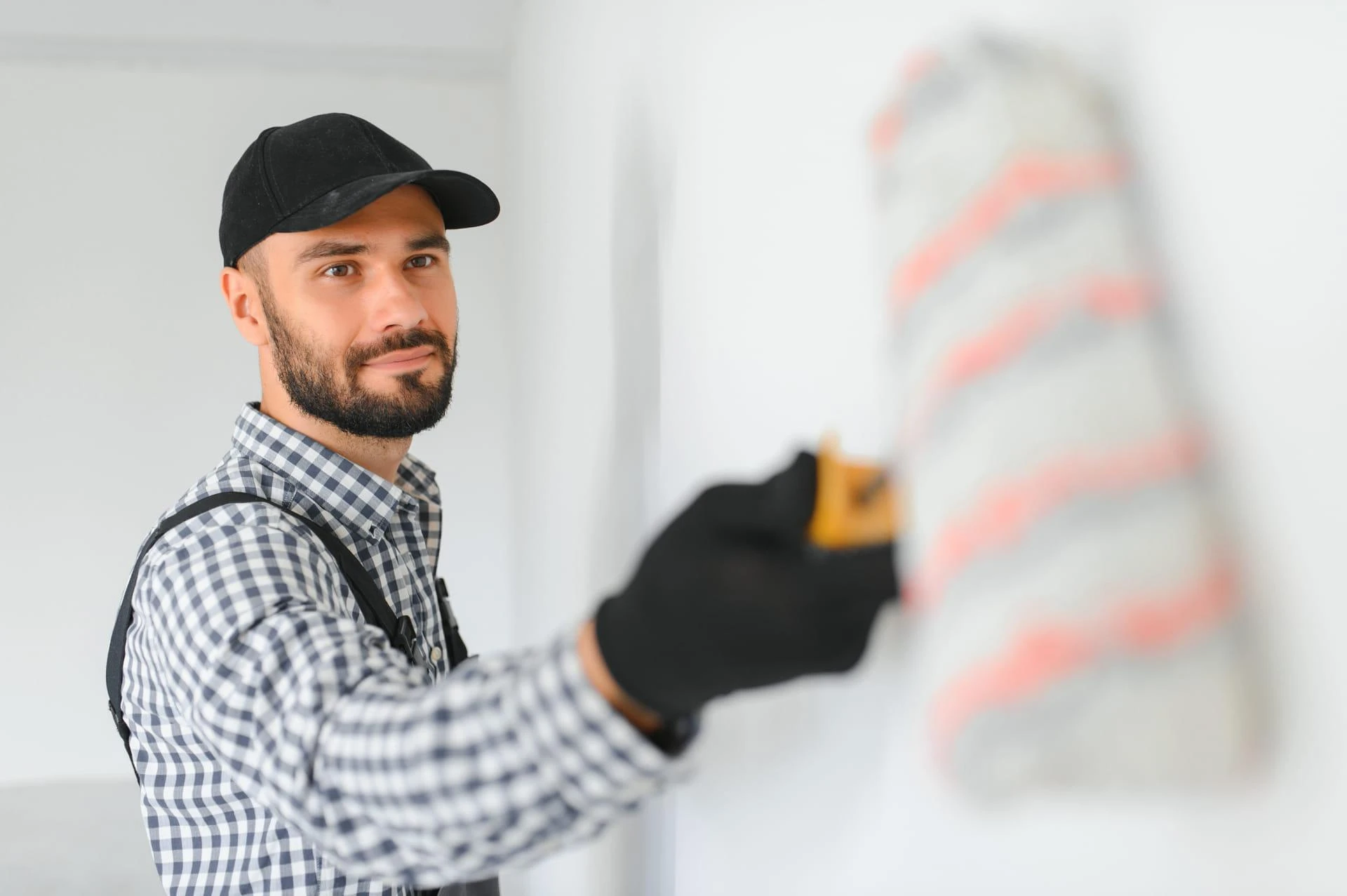
Applying too little or too much paint often results in streaks, roller marks, or uneven layers. A business owner once attempted to repaint their office using budget rollers, thinking all tools worked the same. The final result had obvious roller streaks, making the walls look unprofessional. A painting company applies paint in even, controlled layers to achieve a flawless finish.
- High-quality rollers and brushes distribute paint evenly without leaving visible marks.
- Proper rolling techniques prevent lap marks, ensuring smooth transitions between strokes.
- Multiple thin coats create better coverage and a longer-lasting finish compared to a single thick coat.
Avoiding Poor Surface Preparation That Leads to Peeling
Skipping the prep work might seem like a time-saver, but it guarantees a short-lived paint job. A homeowner once painted their living room, skipping the crucial step of cleaning and sanding the walls. Within a few months, patches of paint began peeling away, revealing the old color underneath. A painting company follows a detailed preparation process that ensures the paint adheres correctly and lasts for years.
- Surfaces must be cleaned thoroughly to remove dust, dirt, and grease before painting.
- Sanding and patching imperfections help create a smooth surface that prevents bubbling and cracking.
- Primers enhance adhesion, ensuring the paint bonds properly and resists peeling.
 Allowing Proper Drying Time
Painting requires patience, and rushing the process can lead to long-term issues. A homeowner once repainted their kitchen and applied the second coat before the first had fully dried. The result was peeling paint that came off in sheets within a week. A painting company follows the correct drying schedule to ensure a strong, long-lasting bond.
- Water-based paints require a drying time of at least two to four hours before recoating.
- Oil-based paints need up to 24 hours between coats to prevent cracking or peeling.
- Humidity and airflow affect drying times, requiring adjustments for optimal results.
Using Painter’s Tape Correctly for Sharp, Clean Edges
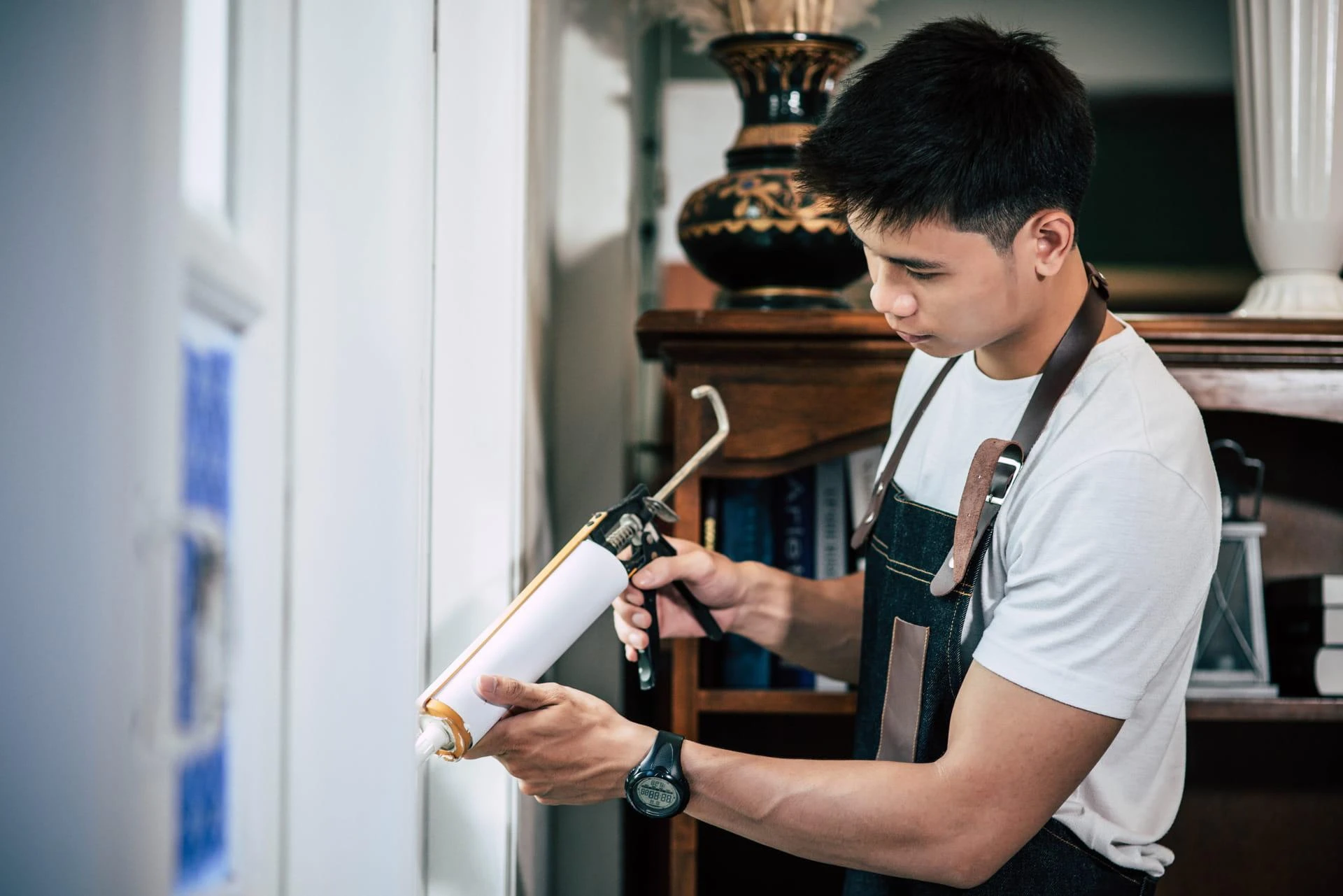
Improper use of painter’s tape can cause uneven edges, paint bleeding, or peeling when removed. A business owner once painted their conference room and left the tape on for too long. When they removed it, chunks of dried paint peeled off with it. A painting company ensures crisp lines and smooth finishes by handling painter’s tape correctly.
- Tape should be applied to dry, dust-free surfaces for proper adhesion.
- Removing tape at the right angle while the paint is slightly wet prevents jagged edges.
- High-quality painter’s tape prevents bleed-through and reduces the need for touch-ups.
Painting Under the Right Weather and Indoor Conditions
Humidity, temperature, and direct sunlight all impact how paint dries and adheres. A homeowner once painted their home’s exterior on a humid summer day, only to see the paint bubble and peel within weeks. A painting company considers environmental conditions before starting any project to ensure the best outcome.
- Paint should be applied when temperatures are between 50°F and 85°F for optimal drying.
- High humidity can cause paint to dry too slowly, leading to an uneven finish.
- Wind and direct sunlight can cause paint to dry too fast, increasing the risk of brush marks and cracking.
Protecting Floors, Furniture, and Fixtures from Paint Spills
Paint splatters and spills can be difficult to remove once they dry, leading to unnecessary damage. A business owner once attempted to repaint their reception area but failed to cover the floors properly. By the end of the project, paint stains covered the hardwood, requiring expensive refinishing. A painting company takes extra precautions to protect surfaces from accidental damage.
- Drop cloths and plastic coverings shield floors, furniture, and fixtures from spills.
- Masking materials prevent paint from getting onto baseboards, windows, and doors.
- Cleanup is handled professionally, ensuring no leftover paint mess remains after the job is done.
Calculating the Right Amount of Paint
Running out of paint mid-project can lead to mismatched colors and an uneven appearance. A homeowner once underestimated how much paint was needed and had to buy more, only to realize the second batch had a slightly different shade. A painting company ensures accurate measurements and consistency throughout the project.
- Paint quantity depends on wall texture, number of coats, and paint type.
- Buying too much paint wastes money and creates storage issues.
- Mixing all paint cans together before starting ensures a uniform color across walls.
Key Mistakes a Painting Company Helps Prevent
Hiring professionals saves time, reduces frustration, and ensures a polished finish that lasts. Common DIY mistakes can lead to peeling, streaking, and unnecessary expenses, but professionals eliminate these risks. The right preparation, materials, and application techniques make a significant difference in how long a paint job lasts.
- Proper surface preparation prevents chipping, bubbling, and peeling.
- High-quality tools and techniques create an even, professional-looking finish.
- Correct drying times and environmental conditions ensure paint bonds properly.
Frequently Asked Questions
Why does paint peel off walls after painting?
Peeling occurs when surfaces aren’t cleaned properly, primer is skipped, or coats are applied too quickly.
What type of paint lasts the longest?
Acrylic latex paint is known for durability, UV resistance, and flexibility, making it ideal for both interiors and exteriors.
How many coats of paint are usually needed?
Most surfaces require two coats for full coverage, though darker colors may need additional layers.
Can painting be done in cold weather?
Cold temperatures below 50°F can slow drying times and affect adhesion, leading to an uneven finish.
What is the biggest mistake DIY painters make?
Skipping preparation is the most common error, leading to poor adhesion, streaks, and premature paint failure.




























Sign in to leave a comment.