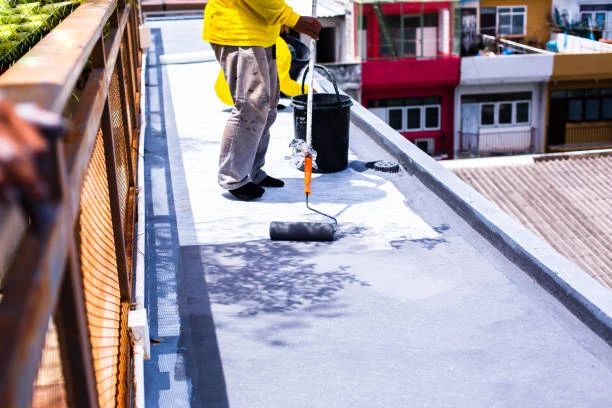

Basement waterproofing is one of the most critical home improvement tasks for maintaining a safe, dry, and durable home. A waterproof basement protects your foundation, prevents mold growth, and enhances your home’s overall value. However, many homeowners unknowingly make costly mistakes during the waterproofing process that can lead to recurring leaks, dampness, and structural issues.
In cities like New York, where basements are exposed to high humidity, heavy rainfall, and groundwater pressure, proper waterproofing requires expertise and attention to detail. Unfortunately, even a small misstep can compromise the entire system.
In this article, we’ll explore the most common mistakes homeowners make in basement waterproofing — and how working with professionals like Zavza Seal LLC can help you avoid them.
1. Ignoring the Source of Moisture
One of the most common and costly mistakes is treating the symptoms rather than the cause of basement water problems. Many homeowners simply patch cracks or apply waterproof paint on walls, assuming that will solve the issue. However, without identifying the true source of moisture — whether it’s poor drainage, groundwater pressure, or foundation cracks — the problem will return.
Solution:
Before applying any waterproofing materials, conduct a thorough inspection. Identify where the water is entering — through wall cracks, floor joints, or window wells. Professional waterproofing contractors use moisture detection tools and drainage assessments to pinpoint the root cause. Once identified, they design a long-term waterproofing system tailored to your home’s needs.
2. Using Interior-Only Waterproofing Solutions
Many homeowners rely solely on interior waterproofing methods, such as applying sealants or installing interior drainage systems. While these solutions manage water that has already entered the basement, they don’t stop it from seeping through the foundation in the first place.
Solution:
For complete protection, combine interior and exterior waterproofing methods.
Exterior waterproofing involves sealing the foundation walls, installing drainage tiles, and applying waterproof membranes — preventing water from entering the structure. Interior systems, such as sump pumps and vapor barriers, act as an additional defense line. Together, they offer long-term reliability and dryness.
3. Skipping Foundation Crack Repair
Hairline cracks in basement walls might seem harmless, but they are one of the leading entry points for water. Ignoring or delaying crack repair allows water to penetrate deeper, leading to mold growth and foundation weakening over time.
Solution:
Inspect your foundation regularly for cracks. Even small ones should be professionally sealed using epoxy or polyurethane injections, which fill the voids and prevent future water intrusion. Zavza Seal LLC’s experts specialize in foundation crack repair to ensure your basement remains structurally sound and moisture-free.
4. Poor or Improper Drainage Around the Home
Even the best waterproofing system will fail if your yard drainage is inadequate. When rainwater or melting snow collects around your home’s foundation, hydrostatic pressure increases, forcing water into your basement. Common causes include clogged gutters, short downspouts, and improper grading.
Solution:
Ensure that:
- Gutters are clean and functional.
- Downspouts extend at least 6–10 feet away from the foundation.
- The soil slopes away from the house to direct surface water elsewhere.
Proper drainage management is a simple yet crucial step in maintaining an effective waterproofing system.
5. Relying on Waterproof Paint or Sealants Alone
Waterproof paint and coatings are often marketed as simple, DIY waterproofing solutions. While they can temporarily block surface moisture, they are not a long-term fix for serious basement leaks. Over time, these coatings can blister, peel, or crack, allowing water to seep through again.
Solution:
Use sealants only as a supplementary measure, not a primary solution. True basement waterproofing requires addressing both external and internal water management — including proper drainage, sump systems, and foundation sealing.
6. Not Installing or Maintaining a Sump Pump System
A sump pump is the heart of an interior waterproofing system, especially in flood-prone areas like New York. Unfortunately, many homeowners either don’t install one or fail to maintain it properly. A non-functioning sump pump can lead to catastrophic flooding during heavy rains.
Solution:
Install a reliable sump pump system with a backup battery in case of power failure. Regularly test and clean the pump to ensure it’s operational when needed. Professional waterproofing contractors can install advanced systems that automatically activate when water levels rise.
7. Blocking Weep Holes or Drain Systems
Some DIY homeowners make the mistake of sealing weep holes or blocking foundation drains to stop water entry. However, these systems are designed to relieve hydrostatic pressure and direct water away from the foundation. Blocking them can cause more water to accumulate, worsening leaks and structural damage.
Solution:
Never block weep holes or drainage channels. Instead, make sure they are connected to a proper drainage system that channels water to a sump pump or exterior discharge line.
8. Ignoring Basement Humidity and Condensation
Even if your basement doesn’t have visible leaks, excess humidity can still cause damage. Condensation on walls, windows, or pipes indicates that the air is too moist — a common problem in poorly ventilated basements. High humidity encourages mold growth, wood rot, and insulation failure.
Solution:
Use a dehumidifier to maintain indoor humidity between 30–50%. Also, insulate cold surfaces like water pipes to prevent condensation. In some cases, installing a vapor barrier or improving ventilation can greatly reduce humidity-related issues.
9. DIY Waterproofing Without Professional Assessment
Basement waterproofing often appears straightforward, but it’s a complex process that requires understanding soil conditions, foundation materials, and water movement. DIY methods like applying sealants or installing drain tiles incorrectly can make the problem worse — or even cause structural damage.
Solution:
Hire a professional waterproofing contractor with experience in diagnosing and solving basement moisture problems. Experts like Zavza Seal LLC use industry-grade materials and techniques to ensure durable results backed by warranty.
10. Neglecting Routine Maintenance
Waterproofing is not a one-time fix. Over time, soil shifts, drains clog, and seals degrade. Many homeowners forget to inspect and maintain their waterproofing systems, leaving their basements vulnerable once again.
Solution:
Perform regular maintenance checks. Clean gutters, test sump pumps, inspect for cracks, and reapply sealants when necessary. Scheduling an annual waterproofing inspection helps detect potential problems before they turn into expensive repairs.
The Importance of Professional Basement Waterproofing
Basement waterproofing is an investment that protects your home’s foundation, health, and resale value. However, avoiding these common mistakes requires expertise, the right materials, and a customized approach.
At Zavza Seal LLC, we specialize in comprehensive basement waterproofing solutions for New York homeowners. Our services include:
- Interior and exterior waterproofing
- Foundation crack repair
- Sump pump installation and maintenance
- Vapor barriers and drainage systems
- Mold prevention and moisture control
Our team evaluates your home’s unique conditions and designs a waterproofing system that keeps your basement dry and protected — year after year.
Conclusion
Basement waterproofing mistakes can lead to recurring water damage, mold, and costly repairs — but they’re entirely avoidable with the right knowledge and professional support.
By addressing moisture sources, using the right materials, and ensuring proper installation, you can enjoy a safe, dry, and comfortable basement that adds long-term value to your home.
Whether you’re dealing with minor leaks or persistent flooding, Zavza Seal LLC is here to help.
Contact us today for a free inspection and expert waterproofing solutions tailored to your home’s needs.




























Sign in to leave a comment.