

Heavy rainfall might seem like a temporary weather inconvenience, but for homeowners, it can create long-term structural risks—especially for your home’s foundation. While modern homes are designed to withstand normal weather conditions, excessive or repeated rainfall can gradually weaken the ground supporting your house and introduce moisture problems that worsen over time.
Understanding how heavy rain impacts your foundation is essential for preventing costly repairs, protecting structural integrity, and maintaining a safe living environment. In this guide, we’ll explore exactly what happens beneath your home during heavy rain and how you can minimize the damage.
Why Your Foundation Is Vulnerable to Heavy Rain
Your foundation sits directly on or within soil, which means its stability depends largely on ground conditions. When heavy rainfall occurs, the soil surrounding your home absorbs significant amounts of water.
As soil becomes saturated, several problems begin to develop:
- Loss of soil strength
- Increased pressure against foundation walls
- Soil expansion and shifting
- Water infiltration through cracks
According to foundation experts, water saturation creates instability beneath structures and can eventually lead to cracks, settlement, or structural movement if moisture isn’t properly controlled. (e-architect)
In short, rain doesn’t damage foundations instantly—it slowly weakens the environment supporting them.
1. Soil Saturation and Expansion
One of the biggest dangers of heavy rainfall is soil expansion, particularly in clay-rich soils.
Clay acts like a sponge. When it absorbs water, it expands; when it dries, it shrinks. This constant cycle creates movement beneath your home.
During prolonged rainfall:
- Soil swells and pushes upward or sideways.
- Pressure builds against foundation walls.
- Uneven lifting (called soil heave) can occur.
When dry conditions return, the soil contracts, leaving empty spaces beneath the foundation. Over time, this repeated expansion and shrinkage stresses concrete structures and leads to cracking or settling. (Powerlift Foundation Repair)
Even small seasonal shifts can accumulate into major structural issues.
2. Hydrostatic Pressure: The Hidden Force
Heavy rain increases what engineers call hydrostatic pressure—the force created when water builds up in soil surrounding your foundation.
As groundwater accumulates:
- Water pushes against basement or foundation walls.
- Moisture penetrates porous concrete.
- Walls may bow inward or develop cracks.
Hydrostatic pressure is one of the most common causes of basement leaks and structural damage. Over time, even tiny hairline cracks allow water intrusion, worsening deterioration and increasing repair costs. (Foundation Solutions Group)
This pressure is often invisible until interior damage appears.
3. Soil Erosion and Washout
Heavy rainfall doesn’t only add water—it can also remove soil.
Poor drainage, sloped landscaping, or overflowing gutters can cause rainwater to flow toward your home instead of away from it. When this happens, moving water washes away supporting soil near foundation footings.
Consequences include:
- Uneven foundation settlement
- Sinking corners of the home
- Exterior cracks
- Structural imbalance
As soil erodes, parts of the foundation lose support, causing sections of the home to shift independently. (Foundation Solutions Group)
This type of damage often progresses silently until doors, floors, or walls begin showing problems.
4. Water Intrusion and Basement Moisture
Heavy rainfall frequently exposes weaknesses in waterproofing systems. Water can enter through:
- Foundation cracks
- Porous concrete walls
- Floor joints
- Improper sealing
Once moisture enters, it creates ideal conditions for mold growth, wood rot, and indoor air quality issues. Saturated crawl spaces and basements also raise humidity levels throughout the home.
Experts note that rainwater infiltration can compromise structural materials and gradually weaken a home’s overall integrity if left unaddressed. (goterrafirma.com)
5. Foundation Settlement and Structural Movement
When soil becomes overly wet, it loses its ability to support weight effectively.
Heavy rainfall softens the ground beneath foundations, allowing structures to sink or tilt slightly. This process is known as foundation settlement.
Common warning signs include:
- Cracks in walls or ceilings
- Doors and windows sticking
- Sloping or uneven floors
- Gaps around window frames
- Exterior brick cracks
Water-saturated soil can reduce load-bearing strength, allowing foundations to shift over time. (Saber Foundation)
Even minor movement can lead to expensive structural repairs if ignored.
6. Increased Risk After Dry Periods
Interestingly, foundations are often most vulnerable when heavy rain follows a drought.
During dry weather:
- Soil shrinks and pulls away from foundations.
When rain suddenly returns:
- Soil rapidly absorbs water.
- Expansion happens unevenly.
- Pressure increases dramatically.
This sudden change can overwhelm previously stable ground conditions, accelerating cracks and structural movement. (Saber Foundation)
7. Early Warning Signs After Heavy Rain
Homeowners should inspect their property after major storms. Common signs that rainfall is affecting your foundation include:
- Water pooling near exterior walls
- Damp basement smells
- New cracks in walls or floors
- Mold or mildew growth
- Standing water in crawl spaces
- Exterior soil erosion
Heavy rain often exposes existing weaknesses rather than creating entirely new ones, making early detection critical. (Ideal Home)
How to Protect Your Foundation From Heavy Rainfall
While you can’t control the weather, you can control how water interacts with your home.
1. Improve Drainage
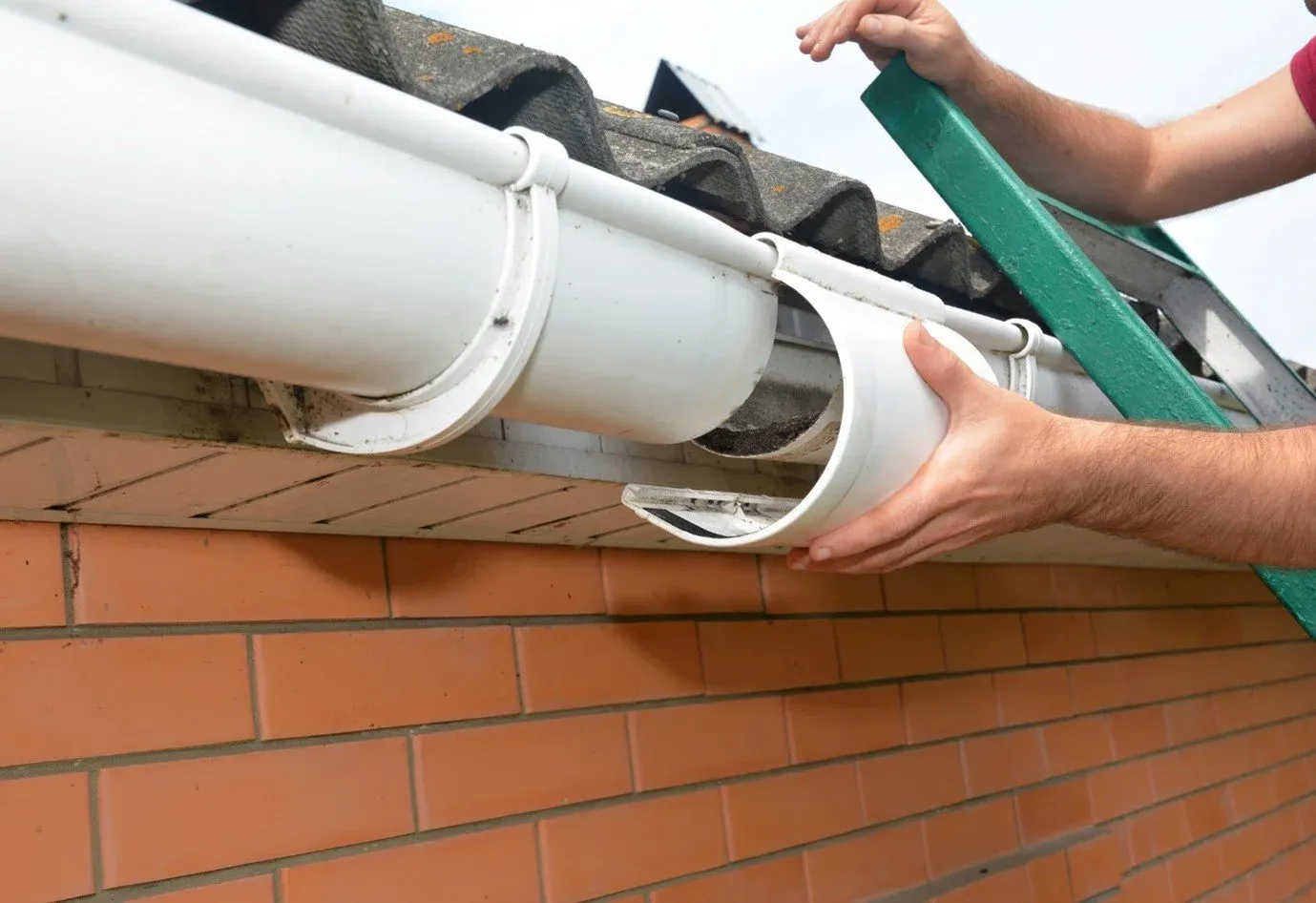
Ensure gutters and downspouts direct water several feet away from the foundation. Proper drainage is one of the most effective prevention methods.
2. Maintain Proper Grading
The ground around your home should slope away from the structure to prevent water accumulation.
3. Seal Foundation Cracks
Small cracks allow moisture entry and should be sealed before they expand.
4. Install Waterproofing Systems
Professional waterproofing solutions create barriers that reduce hydrostatic pressure and moisture penetration.
5. Schedule Regular Inspections
Annual inspections help identify minor problems before they become structural failures.
Why Professional Waterproofing Matters
DIY fixes may temporarily reduce moisture, but they rarely address root causes such as soil pressure or drainage design. Professional waterproofing systems focus on:
- Managing groundwater
- Relieving pressure buildup
- Preventing seepage
- Stabilizing foundation conditions
Investing in preventative waterproofing is often far less expensive than repairing structural damage later.
Final Thoughts
Heavy rainfall affects far more than your yard—it directly impacts the stability of your home’s foundation. From soil expansion and hydrostatic pressure to erosion and settlement, water is one of the most powerful forces acting on residential structures.



























Sign in to leave a comment.