
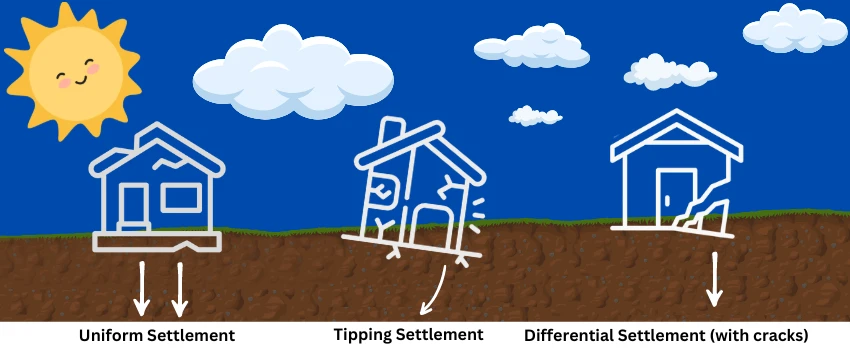
Foundation settlement is one of the most common and costly issues homeowners face—especially in older homes. While settlement can occur in buildings of any age, homes built decades ago are far more vulnerable because materials deteriorate over time and construction standards have changed. Understanding why foundations settle is crucial in protecting your home from structural problems, safety hazards, and expensive repairs.
In this article, we’ll explore the top causes of foundation settlement in older homes, the warning signs to watch for, and what you can do to protect your property.
1. Soil Erosion and Poor Soil Conditions
The soil beneath your home is the single most important factor affecting structural stability. Over time, soil can shift, compact, or erode—especially in older neighborhoods where landscaping, drainage, and water management systems may be outdated.
Common soil-related causes include:
• Expansive clay soil
Clay-rich soil expands when wet and shrinks dramatically when dry. Over many years, this movement puts stress on the foundation, eventually causing it to settle unevenly.
• Loose or poorly compacted soil
Many older homes were built before modern soil testing standards. Contractors often used loose fill dirt without proper compaction, leading to gradual settling.
• Soil erosion from poor drainage
If groundwater flows toward the home instead of away from it, the soil can wash out from under the foundation. Older homes usually have outdated gutter systems, making erosion worse.
When the soil can no longer support the weight of the house, the foundation sinks, shifts, or cracks—leading to structural instability.
2. Aging Construction Materials
Homes naturally age, and so do their building materials. Concrete, wood beams, masonry, and support columns deteriorate over the decades. Even the best-built home will eventually show wear.
Structural components at risk include:
- Concrete foundations that weaken due to moisture exposure, chemical reactions, and freeze–thaw cycles.
- Wooden support beams that rot, warp, or decay from moisture or insect damage.
- Mortar joints and masonry walls that crumble or crack over time.
As these materials break down, they stop supporting the home’s weight properly, resulting in sinking floors, leaning walls, and settling foundation walls.
3. Long-Term Water Damage
Water is one of the biggest threats to any home’s foundation—and older homes are especially vulnerable due to outdated waterproofing, poor drainage systems, and years of exposure.
Water damage may come from:
- Poor grading (yard sloping toward the home)
- Blocked or missing gutters
- Basement leaks
- Flooding events
- Plumbing leaks under the slab
- Long-term moisture seepage in crawlspaces
Over time, water softens the soil, corrodes materials, and increases pressure against foundation walls. Hydrostatic pressure, in particular, can push soil inward, causing the home to shift or sink.
4. Tree Roots Near the Foundation
Large, mature trees are common around older homes. While they add curb appeal, their roots seek moisture and nutrients—often pulling water away from the soil beneath the house.
This leads to:
- Soil shrinkage
- Voids beneath the foundation
- Uneven settling
- Cracking of slabs and walls
In some cases, tree roots can even push directly against the foundation, causing movement or structural strain. If trees sit too close to the home, the risk increases significantly.
5. Natural Soil Movement Over Time
Even without major environmental issues, soils naturally shift as decades pass. Seasonal changes, seismic activity, and temperature fluctuations all contribute to long-term settlement.
Natural soil movement includes:
- Seasonal expansion and contraction
- Minor earthquakes or vibrations
- Frost heave in winter
- Compaction from the home’s weight
Older homes experience these cycles many times over the years, making them more susceptible to foundation deterioration and sinking.
6. Foundation Design Limitations in Older Homes
Building codes from 50 to 100 years ago were not as advanced as today’s standards. Many older homes were built with:
- Thin foundation walls
- Minimal reinforcement
- Shallow footings
- Poor-quality concrete
- Limited drainage systems
As these outdated foundations face decades of environmental stress, they are more prone to cracking, shifting, or settling unevenly.
Modern homes benefit from advanced engineering that helps them withstand soil pressure, water intrusion, and structural loads—but older homes lack these protections.
7. Poor Maintenance Over the Years
Foundation issues rarely happen overnight. They are almost always the result of many years of neglect or unnoticed problems.
Maintenance issues common in older homes include:
- Never cleaning gutters
- Allowing water to pool near the home
- Ignoring small cracks
- Not sealing basement walls
- Failing to repair plumbing leaks
- Lack of crawlspace ventilation
- Letting vegetation grow too close to the foundation
Over time, these minor problems become major structural issues. Regular inspections and proper maintenance are crucial for preventing foundation settlement.
8. Plumbing Leaks Beneath the Foundation
Underground plumbing systems in older homes are prone to corrosion, cracks, and leaks. When water leaks beneath the slab or crawlspace, it saturates the soil and destabilizes the foundation.
Long-term effects of plumbing leaks:
- Soil expansion
- Soil washout
- Voids beneath the foundation
- Wood rot in crawlspaces
- Increased humidity and mold
Even a slow, unseen leak can cause significant structural settling over several years.
Common Warning Signs of Foundation Settlement
Homeowners should stay alert for the early symptoms of foundation problems. Some of the most common signs include:
- Cracks in foundation walls
- Uneven or sloped floors
- Sticking doors or windows
- Gaps around window frames
- Cracked drywall
- Separation between walls and ceilings
- Tilting chimneys
- Water leaks in the basement
If you notice any of these issues, a professional foundation inspection is highly recommended.
How to Prevent or Repair Foundation Settlement
While older homes cant stop aging, homeowners can slow down settlement and protect structural stability with proactive maintenance and repairs.
Key steps include:
- Improving yard grading
- Installing gutters and downspouts
- Waterproofing basements
- Repairing plumbing leaks
- Removing or trimming invasive trees
- Installing foundation piers or underpinning
- Adding interior or exterior drainage systems
Professional waterproofing and structural repair companies, like Zavza Seal, specialize in identifying the root causes and offering long-term solutions.
Final Thoughts
Foundation settlement is a serious problem—especially for older homes that have endured decades of soil movement, water exposure, and natural wear. By understanding the top causes and recognizing early warning signs, homeowners can take preventive steps to avoid costly repairs down the road.

























Sign in to leave a comment.