
Key Takeaways:-
- High-quality DNA is crucial for reliable sequencing and fewer downstream failures.
- Accurate quantification supports consistent libraries and efficient ligation and amplification.
- Effective cleanup removes contaminants and preserves DNA integrity.
- Standardized handling improves reproducibility and reduces variability.
- Clean lab practices and QC prevent contamination and ensure dependable results.
- FAQs
Next-generation sequencing has transformed biological research by enabling high-throughput analysis of genetic material with remarkable precision. However, the success of any sequencing experiment depends heavily on how well the samples are prepared. Even small mistakes during preparation can lead to poor sequencing results, wasted resources, and the need to repeat experiments. This makes it essential to understand where things can go wrong and how to avoid those pitfalls.
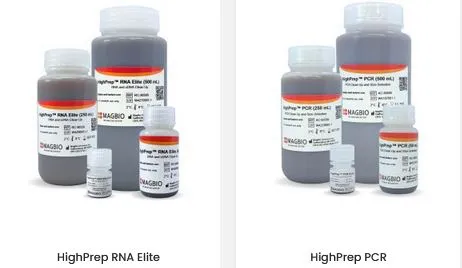
In modern laboratories, NGS sample preparation reagents play a crucial role in ensuring consistency and reliability across workflows. When combined with proper techniques, NGS library preparation DNA cleanup help maintain the integrity and quality of DNA samples.
Poor Quality Input DNA
One of the most common issues in NGS workflows is starting with low-quality or degraded DNA. The quality of input material directly affects library preparation efficiency and sequencing accuracy. If DNA is fragmented or contaminated, it can lead to uneven coverage, biased results, or complete failure of the sequencing run.
To avoid this problem, it is essential to assess DNA quality before proceeding with library preparation. Techniques such as spectrophotometry and electrophoresis can help determine purity and integrity. Using high-quality NGS sample preparation reagents also ensures that contaminants are minimized during processing. Maintaining proper storage conditions and avoiding repeated freeze-thaw cycles further preserves DNA integrity.
Inaccurate Quantification of DNA
Accurate quantification of DNA is critical for successful NGS workflows. Overestimating or underestimating DNA concentration can disrupt library preparation, leading to inconsistent results. Incorrect input amounts may cause inefficient adapter ligation or poor amplification, ultimately affecting sequencing performance.
To minimize this risk, laboratories should use reliable quantification methods such as fluorometric assays. These methods provide more accurate measurements compared to absorbance-based techniques. Consistency in measurement ensures that the correct amount of DNA is used in each step, improving reproducibility and overall data quality.
Inefficient DNA Cleanup Steps
DNA cleanup is a crucial stage in NGS workflows, as it removes contaminants that can interfere with downstream processes. Inefficient cleanup can result in the presence of unwanted molecules, which may affect sequencing accuracy and yield. Improper handling during cleanup can also lead to DNA loss.
Using optimized NGS library preparation DNA cleanup protocols ensures effective removal of contaminants while preserving DNA integrity. Careful attention to bead ratios, washing steps, and elution conditions is necessary to achieve consistent results. Proper training and adherence to protocols help reduce variability and improve workflow efficiency.
Improper Adapter Ligation
Adapter ligation is a crucial step in library preparation, as it enables DNA fragments to be recognized and sequenced by the platform. Errors during this step can result in incomplete libraries or reduced sequencing efficiency. Factors such as incorrect reagent concentrations or suboptimal reaction conditions can negatively impact ligation.
Ensuring precise pipetting and following optimized protocols are key to successful adapter ligation. High-quality enzymes and buffers should be used to maintain reaction efficiency. Laboratories should also verify ligation success through appropriate quality control methods before proceeding to amplification.
PCR Amplification Bias
PCR amplification is often used to increase the quantity of DNA libraries, but it can introduce bias if not carefully controlled. Over-amplification can lead to duplication of certain fragments, while under-amplification may result in insufficient material for sequencing. Both scenarios can compromise data quality.
To avoid amplification bias, it is important to optimize cycle numbers and reaction conditions. Using high-fidelity polymerases and maintaining consistent protocols helps reduce variability. Monitoring amplification efficiency ensures that libraries are generated with minimal bias and maximum representation of the original sample.
Contamination Issues
Contamination is a significant concern in NGS workflows, as even small amounts of foreign DNA can affect sequencing results. Sources of contamination may include reagents, equipment, or environmental factors. Cross-contamination between samples can lead to misleading data and inaccurate conclusions.
Maintaining a clean working environment is essential for preventing contamination. Dedicated workspaces, proper lab practices, and regular equipment cleaning help minimize risks. Using high-quality NGS sample preparation reagents further reduces the likelihood of introducing contaminants during processing.
Inconsistent Size Selection
Size selection is a key step in NGS sample preparation, as it determines the distribution of DNA fragment lengths. Inconsistent size selection can lead to uneven sequencing coverage and reduced data quality. Variability in bead ratios or handling techniques can cause deviations in fragment size.
Implementing standardized protocols and carefully controlling bead-to-sample ratios helps achieve consistent size selection. Using optimized NGS library preparation DNA cleanup methods ensures that unwanted fragments are effectively removed while preserving desired DNA lengths. Consistency in execution is crucial for reproducible results.
Lack of Proper Quality Control
Quality control is often overlooked in NGS workflows, yet it is essential for ensuring successful outcomes. Skipping or inadequately performing quality checks can result in undetected issues that affect sequencing results. Without proper validation, errors may only become apparent after sequencing, leading to wasted time and resources.
Incorporating quality control steps at multiple stages of the workflow helps identify potential problems early. Techniques such as fragment analysis and library quantification provide valuable insights into sample quality. Regular monitoring ensures that each step meets the required standards for successful sequencing.
FAQs
What is the most common mistake in NGS sample preparation?
Poor-quality input DNA is one of the most frequent issues, as it directly affects library preparation efficiency and sequencing accuracy.
Why is DNA cleanup important in NGS workflows?
DNA cleanup removes contaminants that can interfere with sequencing, ensuring better accuracy, yield, and overall data quality.
How can contamination be avoided during sample preparation?
Using clean workspaces, proper lab practices, and high-quality reagents helps minimize contamination risks.
What role does quantification play in NGS preparation?
Accurate quantification ensures correct DNA input, which is essential for consistent library preparation and reliable sequencing results.
NGS sample preparation is a complex process that requires careful attention to detail at every stage. Buy MagBio Genomics products today for reliable NGS workflows, superior DNA quality, consistent results, and cost-effective sample preparation solutions. For expert guidance, call (301) 302-0144 now.































Sign in to leave a comment.